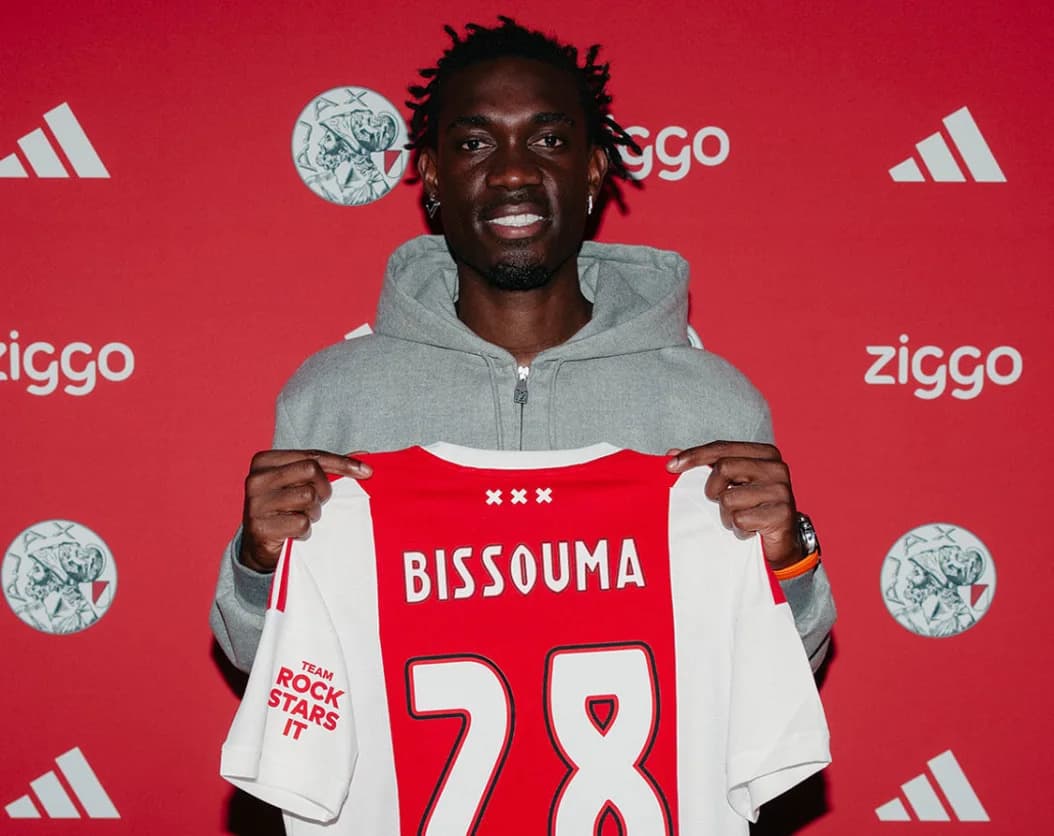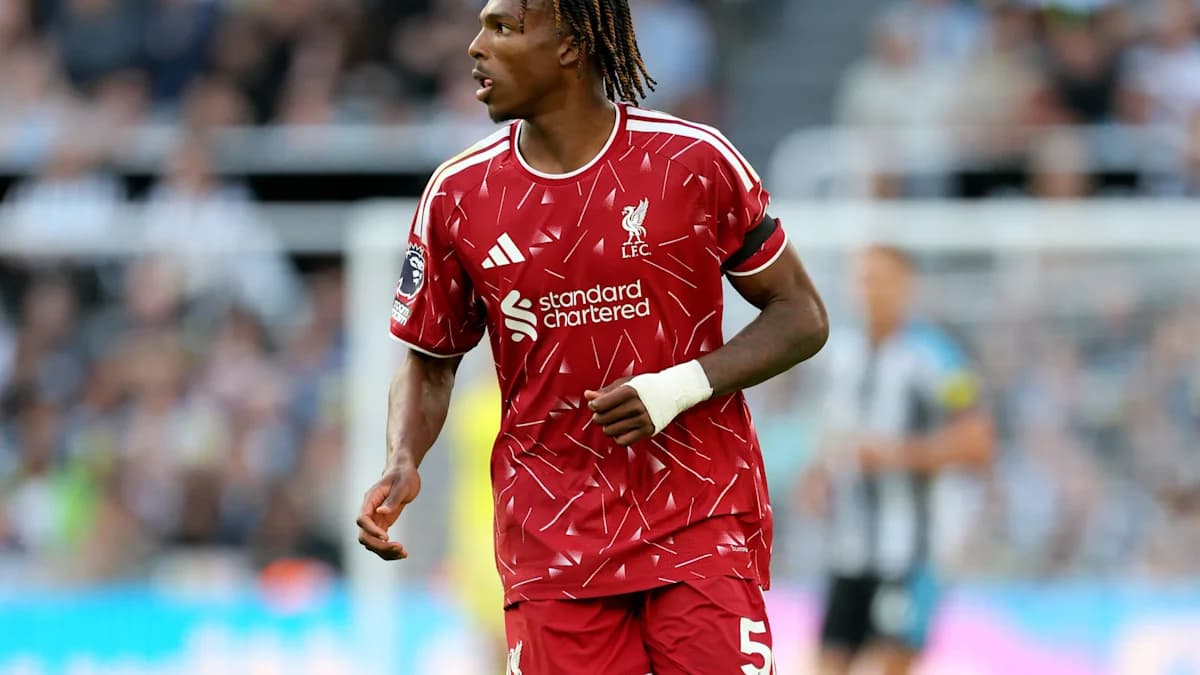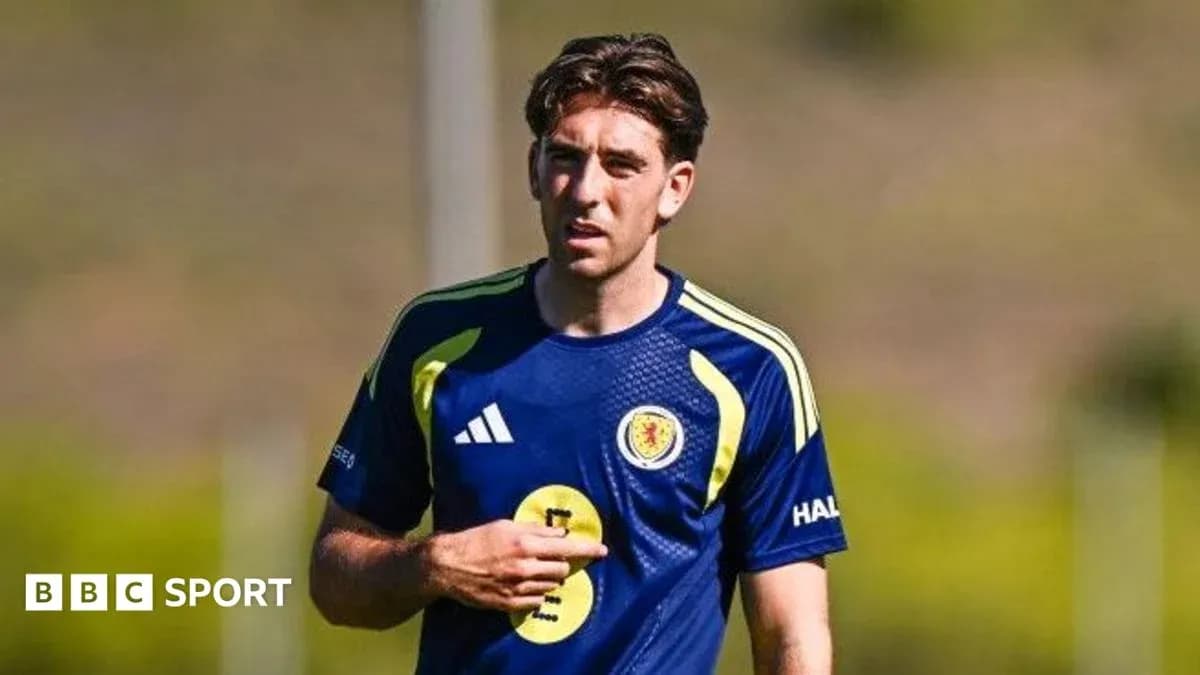
Manchester United's Left-Back Dilemma: No Reinforcements After Transfer Window
As the clock hit 23:00 BST on 1 September and the window slammed shut, a single question echoed around Manchester United’s support: what about a left-back?
All summer, as debate raged over Michael Carrick’s squad and how to close the gap at the top, one weakness kept being circled in red ink. Left-back. Everyone could see it.
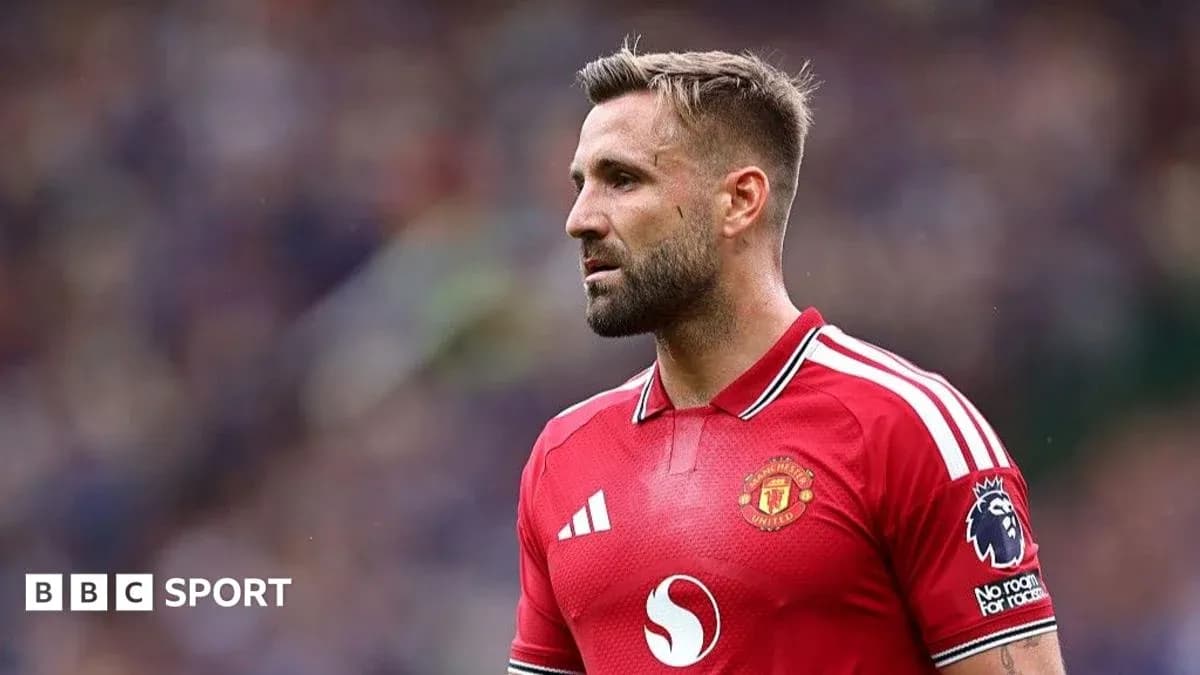
Luke Shaw is the only senior specialist in the role. He started all 38 Premier League games last season – an astonishing return given his injury history. It was a marathon he was never really expected to run.
Tyrell Malacia’s exit at the end of June, when his contract expired, only sharpened the focus. Shaw is 31 now. United could play more than 60 games this season if they go deep in every competition. Nobody inside Carrington truly believes he can churn through that schedule without a break.
So a reinforcement felt inevitable. It never came.
Targets identified, doors closed
United did their homework. Lewis Hall at Newcastle, Alejandro Balde at Barcelona, Jorge Salinas at Racing Santander. Names were logged, calls were made, scenarios drawn up on the recruitment whiteboards.
In the end, it came down to a late push for Rayan Ait-Nouri – a move that would have seen him cross the Manchester divide on loan. City blocked it. For that deal to move, United would have had to accept an obligation to buy further down the line. They refused. They chose to wait for their first-choice options instead.
Now the deadline has passed. No left-back. No safety net. Until January, at least, United and Carrick will live or die by what can only be described as a calculated gamble.
Hall now, or Hall later?
Inside Old Trafford, there is no doubt: Manchester United really like Lewis Hall.
If they could have struck a deal with Newcastle, they would have. But Newcastle, already raided by Premier League rivals this summer, knew what they had. Talks quickly made it clear that prising the highly rated 22-year-old away would require a huge fee.
United’s budget was not bottomless. They had to choose.
The decision was to protect what they viewed as a priority area: midfield. The club eventually committed £70m to sign Carlos Baleba from Brighton, a move they believed they could not park for another year.
The conclusion on Hall was simple. They are prepared to wait until next summer.
Other options came and went. United would have taken Balde on loan; Barcelona would only sell. Salinas had a relatively low release clause, but Atletico Madrid always looked favourites and stayed in front. By the time United circled back to Argentina defender Nicolas Tagliafico – and missed out on him as well – the club had already mentally moved on.
The late shift back to Ait-Nouri, triggered by an agent’s approach, betrayed a lingering doubt. It was a tacit admission that those in charge are not completely convinced by the path they have chosen.
Shaw, Mazraoui… and a teenager in limbo
So this is the plan.
Shaw remains the first-choice left-back. Behind him, Noussair Mazraoui is viewed as the main back-up option, a role he knows from his time with Morocco. Diogo Dalot can flip across if required, as he has done before. And then there is Harry Amass.
The Amass situation is one of the more curious subplots of United’s summer.
A natural left-back from the academy, Amass impressed during a loan spell at Sheffield Wednesday last season, only to get injured soon after switching to Norwich in the winter window. He returned, reset, and this pre-season he caught the eye again, shadowing Shaw and holding his own.
Yet United were still open to letting him leave.
It is not a new scepticism. Back in the summer of 2024, Erik ten Hag left Amass out of his Community Shield squad, even though the teenager had coped admirably against Mo Salah in a pre-season game in the United States just a week earlier. Ten Hag’s view then was blunt: physically, Amass was not at the required level.
Two years on, the defender should be stronger, more mature, more ready. Interest has not been in short supply. Multiple clubs have asked about him, and when he was left out of United’s Premier League 2 game against Leicester on Monday, many took it as a sign a loan move was imminent.
It never materialised. Amass stayed. His exact role in the senior set-up is still unclear.
Yoro’s emergence and the full-back shuffle
United’s willingness to treat Mazraoui as a genuine left-back option has been helped by another development: Leny Yoro’s pre-season.
Signed from Lille in 2024 for £52m as a central defender, Yoro spent much of this summer operating at right-back under Carrick. Against Ipswich on Sunday, he came on in that role for Dalot, just as Mazraoui replaced Shaw on the opposite flank. The reshuffle felt deliberate, not improvised.
Yoro is only 20. He is learning the nuances of playing on the outside rather than at the heart of the defence. But he has pace, power and composure on the ball. United fans need only glance across the city at how Josko Gvardiol has reinvented himself as a full-back at Manchester City after arriving as a centre-back to see how such experiments can pay off.
This is the risk United are leaning into: versatility over volume, quality over a quick fix.
No more Telles moments
One thing the club were determined to avoid was a repeat of past mistakes.
All summer, United stuck to a hardline stance on fees. They refused to be dragged into paying more than they believed a player was worth. That position was shaped by the ghosts of previous stop-gap signings: Alex Telles, Matteo Darmian, Sergio Reguilon. Players who came in, filled a hole, but never truly met the standard required.
The message from the recruitment team was clear. No more short-term patches that clog the wage bill and block future moves.
On paper, it makes sense. It is probably the right call.
But football does not live on paper. It lives in the noise of matchdays, in the panic of an injury, in the cold dread when Shaw pulls up after a sprint in December and there are 40 games still to play.
United have chosen their path. The logic is sound. The margins are thin.
The next few months will reveal whether this was smart long-term planning – or a gamble that leaves Carrick exposed when the season bites hardest.