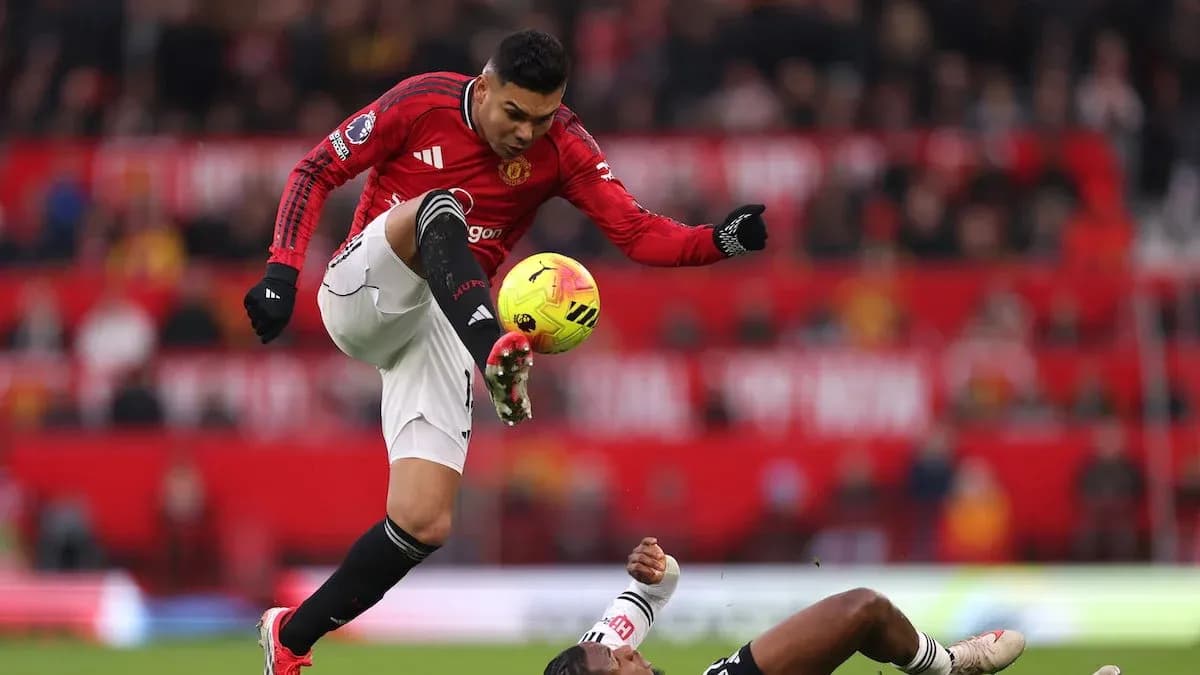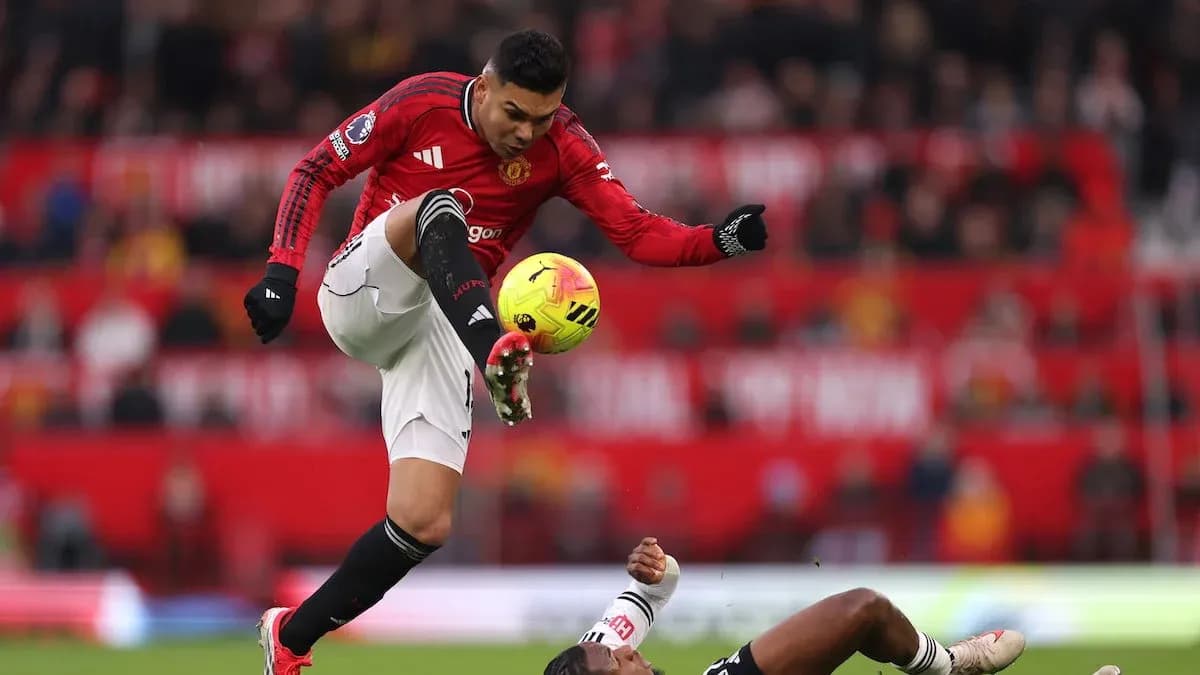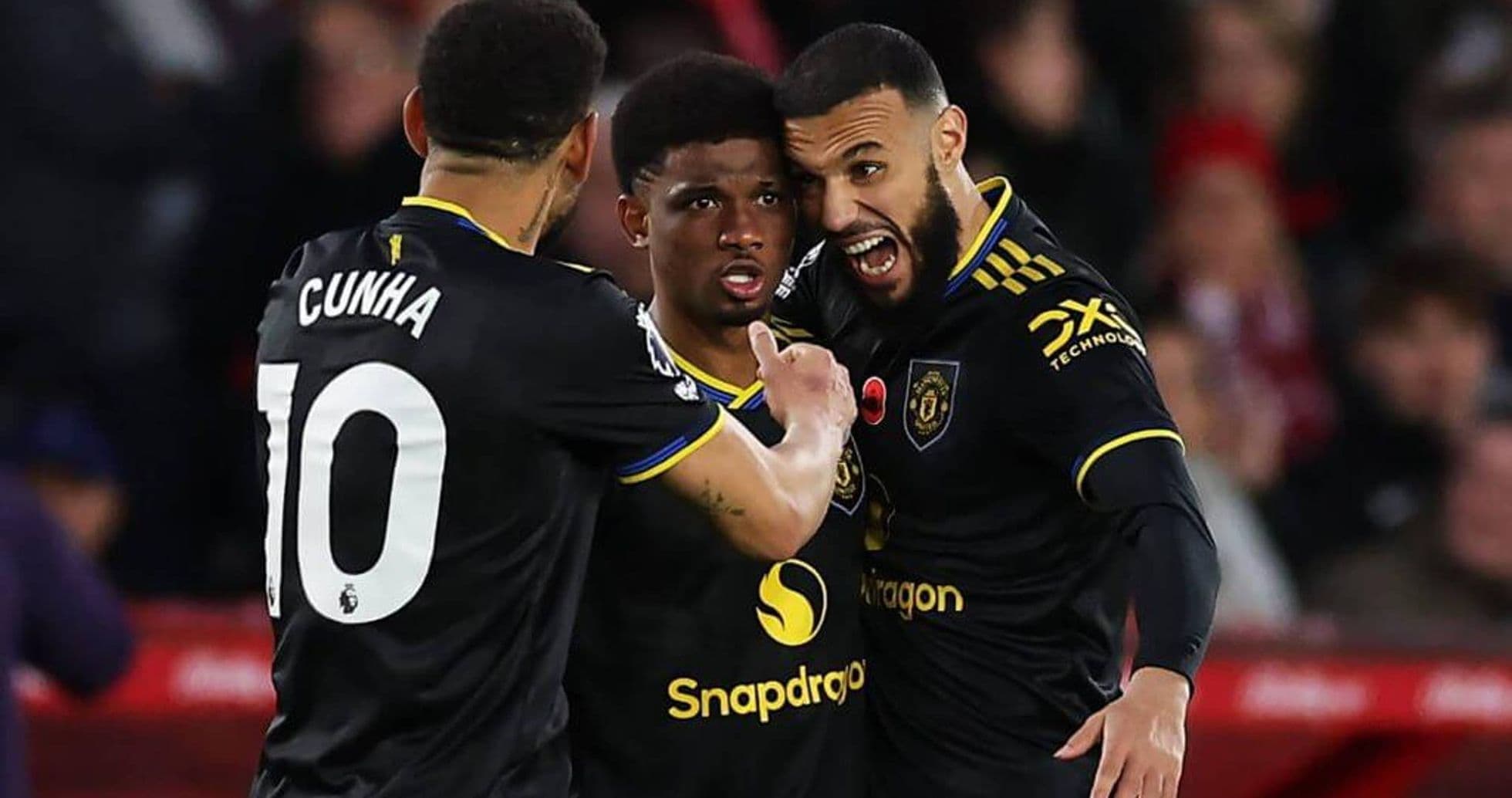
Manchester United vs Nottingham Forest Premier League Preview
Old Trafford hosts a high‑stakes Premier League clash with contrasting narratives: Manchester United are 3rd with 65 points (18‑11‑7, 63‑48), chasing a strong finish and Champions League confirmation, while Nottingham Forest sit 16th on 43 points (11‑10‑15, 45‑47), still needing to make absolutely sure of safety.
Form-wise over the campaign, United have been far stronger overall, but the prediction model is clearly reacting to recent dynamics rather than the table. United’s last‑five index is solid (form 67%, attack 58%, defence 58) with 7 goals scored and 5 conceded (1.4 for, 1.0 against per game). Forest’s recent trend is even more impressive: last‑five form 73%, attack 100%, defence 67, with 14 scored and only 4 conceded (2.8 for, 0.8 against per game). That recent attacking surge is a key driver behind the model leaning towards Forest on the handicap/double‑chance markets despite United’s status as clear favourites in the 1X2 odds.
Looking at season‑long numbers, United’s attack at home is strong: 36 goals in 18 home matches (2.0 per game), while conceding 22 (1.2 per game). Forest are a capable away side, with 26 goals in 18 away matches (1.4 per game) and 25 conceded (1.4 per game). Both teams average 1.3 goals conceded per match overall, so neither defence is watertight, but Forest’s recent defensive uptick (only 4 conceded in their last 5) suggests they can be more resilient than their season totals imply.
Head‑to‑Head Data
Head‑to‑head data confirms that Forest are not intimidated by this opponent. In the Premier League on 2025‑11‑01 at the City Ground, Nottingham Forest drew 2‑2 at home to Manchester United. On 2025‑04‑01, again in the Premier League at The City Ground, Forest beat United 1‑0. On 2024‑12‑07 in the Premier League at Old Trafford, Forest won 3‑2 away, showing they can hurt United on this pitch. In the FA Cup on 2024‑02‑28 at The City Ground, United edged a 1‑0 away win. Earlier, on 2023‑12‑30 in the Premier League at The City Ground, Forest won 2‑1; on 2023‑08‑26 in the Premier League at Old Trafford, United won 3‑2. In the League Cup 1/8 final on 2023‑02‑01 at Old Trafford, United won 2‑0, and on 2023‑01‑25 at The City Ground, United won 3‑0. Finally, in the Premier League on 2022‑12‑27 at Old Trafford, United beat Forest 3‑0. The pattern is clear: in the most recent Premier League clashes, Forest have repeatedly found ways to score and take points, including at Old Trafford, while United’s wins in the cup and earlier league meetings were more comfortable.
Model Comparison
The model’s comparison section tilts the underlying edge towards Forest: total index 42.2% United vs 57.8% Forest, with Forest leading in attack (67% vs 33%) and defence (56% vs 44%). Even the h2h comparison metric favours Forest (71% vs 29%), reflecting those recent positive results. Yet the bookmakers are firmly on United’s side in the main market: home odds cluster around 1.57–1.66, draw around 4.20–4.53, away win roughly 4.47–5.23. That translates to an implied strong home probability, in clear contrast to the prediction engine’s percentage split of only 10% home, 45% draw, 45% away.
Given this, the most rational betting stance is to follow the official prediction rather than the raw league table. The model’s advice is explicit: “Double chance: draw or Nottingham Forest”, with Forest tagged as the “winner” in the sense of “win or draw”. With Forest in better recent form, having a proven ability to trouble United and score against them, and with the double‑chance price likely to be significantly higher than the implied 90% non‑home probability from the model, that bet aligns both with data and value.
Betting verdict: back Nottingham Forest on the double chance (X2 – draw or Forest).
For correct score and totals, the goals projections “home -2.5, away -3.5” and United’s under‑heavy distribution (only 8 of 36 league games over 2.5) point towards a relatively controlled match; a 1‑1 or 1‑2 outcome in Forest’s favour fits both the model and the pricing skew, but the primary recommended angle remains the X2 double‑chance.