Manchester United's Shift from Spending Power to Tactical Rebuild
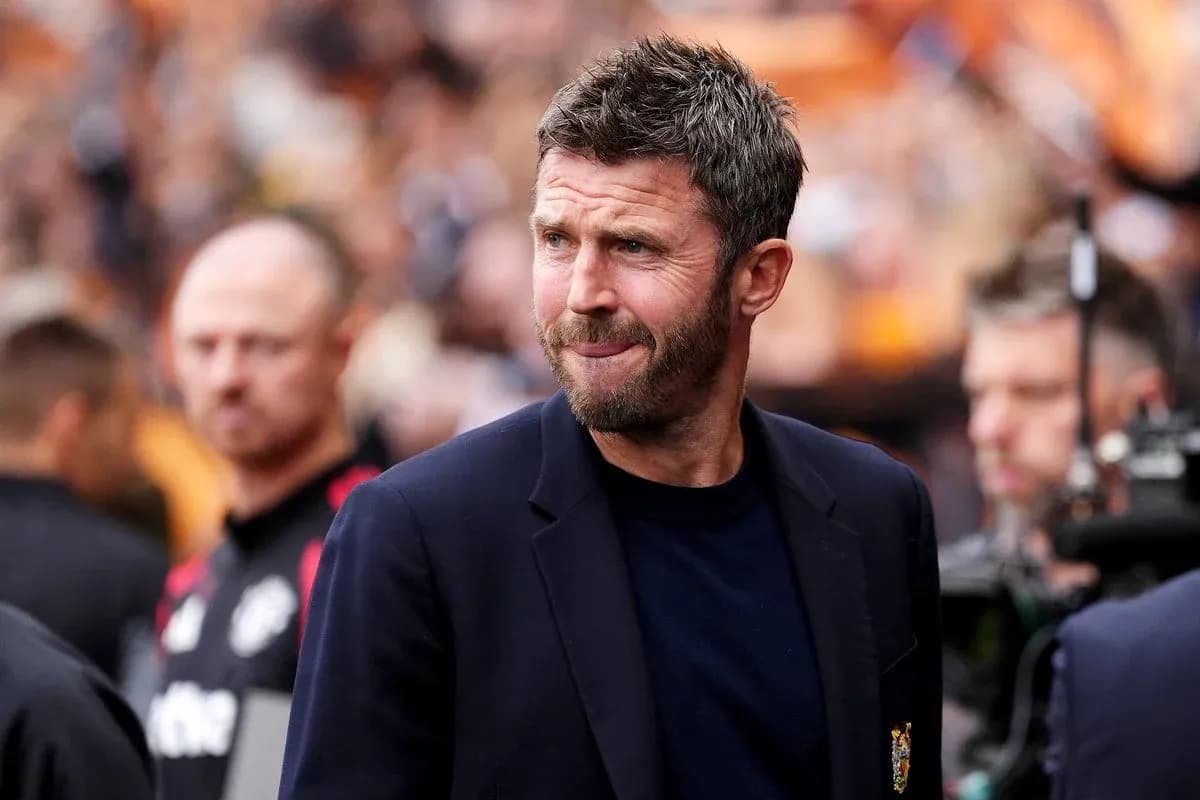
Manchester United used to dominate one table above all others: spending. This summer, under Michael Carrick, they top a different one – the only one he truly cares about. No team has taken more Premier League points since his January appointment.
The transformation on the pitch has been sharp. Off it, the picture is very different.
United slip down the spending league
For more than a decade, United have been a financial superpower in every window, routinely lodged at the top of the outlay charts. This time they slipped into mid-table. According to Transfermarkt, when the window closed they sat in 11th place for gross spending.
The numbers jar with the club’s recent history. Around £148 million went on midfielders, a figure that could rise to £155 million with add-ons. Beyond that, no senior signing arrived.
While United tightened their belt, their rivals threw money around. Manchester City surged past £400 million. Chelsea and Tottenham both cleared £300 million. Newcastle, Aston Villa, Liverpool and Arsenal all went beyond £200 million. Even promoted Ipswich and Hull outspent United.
For a fanbase raised on Galáctico summers, it felt jarring. For Carrick, at least publicly, it was acceptable.
Carrick content – but gaps remain
Carrick will not turn his guns on his employers. He has been consistent on that. Asked about the window, he talked up what United did manage to do, not what they missed.
“Certainly, the players that we've brought into the group, I'm absolutely delighted with,” he said. “I think we've done some really good business there for the quality and the level of player that we've got. You can always look at it, and there's other things you can do or possibly could have done.”
The last line hung in the air. United went through the summer without securing the extra left-back that virtually everyone agreed they needed. They also failed to bring in another striker, a priority for many supporters and analysts.
The opportunities were not exactly glamorous. On deadline day, United were offered Rayan Ait-Nouri on loan. They were never realistically in a position to buy Lewis Hall, even had Newcastle been open to selling.
The sense grew that this was not a case of United choosing to sit out the market. They simply could not play at the top table.
Sales that never came
Plenty of factors converged to leave United looking light. One of them is familiar: their chronic struggle to move on unwanted players.
They could hardly be blamed for Manuel Ugarte getting injured at the World Cup, but it changed the summer’s financial equation. At one stage, they might have envisaged decent fees for Ugarte, Andre Onana and Joshua Zirkzee. Instead, Zirkzee is still at Old Trafford and Onana has gone back to Trabzonspor on loan.
The Rashford situation underlined the volatility of their planning. Barcelona chose not to exercise an option to buy Marcus Rashford for a proposed £26 million fee. That figure may yet look laughably low. Unlike others on the market, Rashford retains the quality to become a first-choice forward under Carrick.
The upshot? A projected £50 million in sales, perhaps even close to £100 million in a more optimistic scenario, never materialised. The only significant income came from a deal for Rasmus Hojlund with Napoli, arranged back in 2025.
Strip that out and the numbers are stark: only Coventry made less from player sales than United. On net spend, they climb the table – Villa and Chelsea actually turned profits, Newcastle flirted with doing so for much of the summer – but United still look like an outlier in a league of aggressive traders.
Caught by a changing market
United’s caution is not just about this summer’s missteps. It is also about the hangover from past ones.
Transfer fees have exploded across Europe. United watched as midfielders they tracked – Elliot Anderson, Mateus Fernandes among them – changed hands for huge sums. The prices went up, and United stepped back. They could not, or would not, match the new going rate.
Years of expensive gambles now weigh heavily. The heavy losses on the likes of Antony and Casemiro have begun to bite. Even last summer, when Senne Lammens arrived as a clear bargain, there were question marks over whether United overpaid for parts of their £200 million attacking trio: Bryan Mbeumo, Mateus Cunha and Benjamin Sesko.
Their annual accounts tell the story in black and white: large sums still owed to other clubs in staggered transfer payments, plus the annual interest on the Glazer-era debt that continues to drain resources.
Ruben Amorim’s brief and costly tenure added another layer. United paid Sporting CP €11 million in compensation to prise him away, then continued paying the Portuguese coach after sacking him. The on-pitch collapse that followed had financial consequences too. A 15th-place finish in the 2024–25 Premier League season slashed prize money. A campaign that ended after just 40 matches – Carabao Cup elimination to Grimsby under Amorim, FA Cup defeat to Brighton under Darren Fletcher – meant less matchday and broadcast income.
The bill for those years of misjudgment has finally arrived.
A budget rebuild with big expectations
So this has become a different kind of United rebuild. Not the blockbuster spree, but something closer to smart shopping.
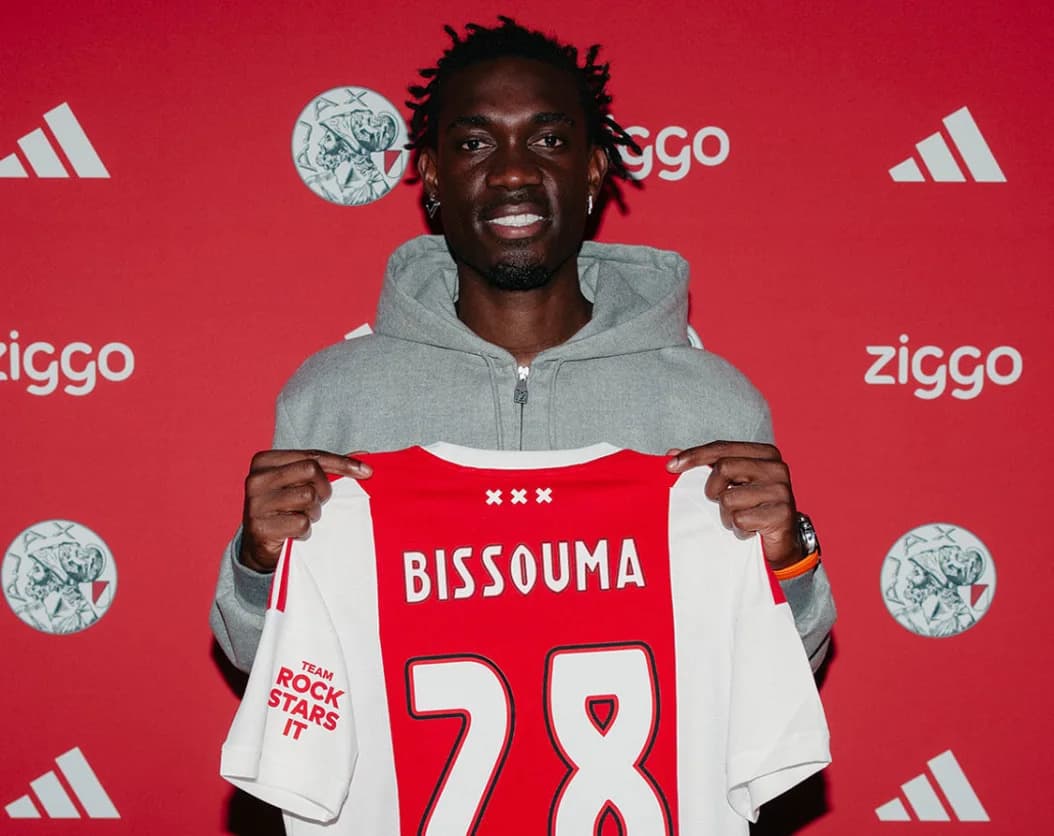
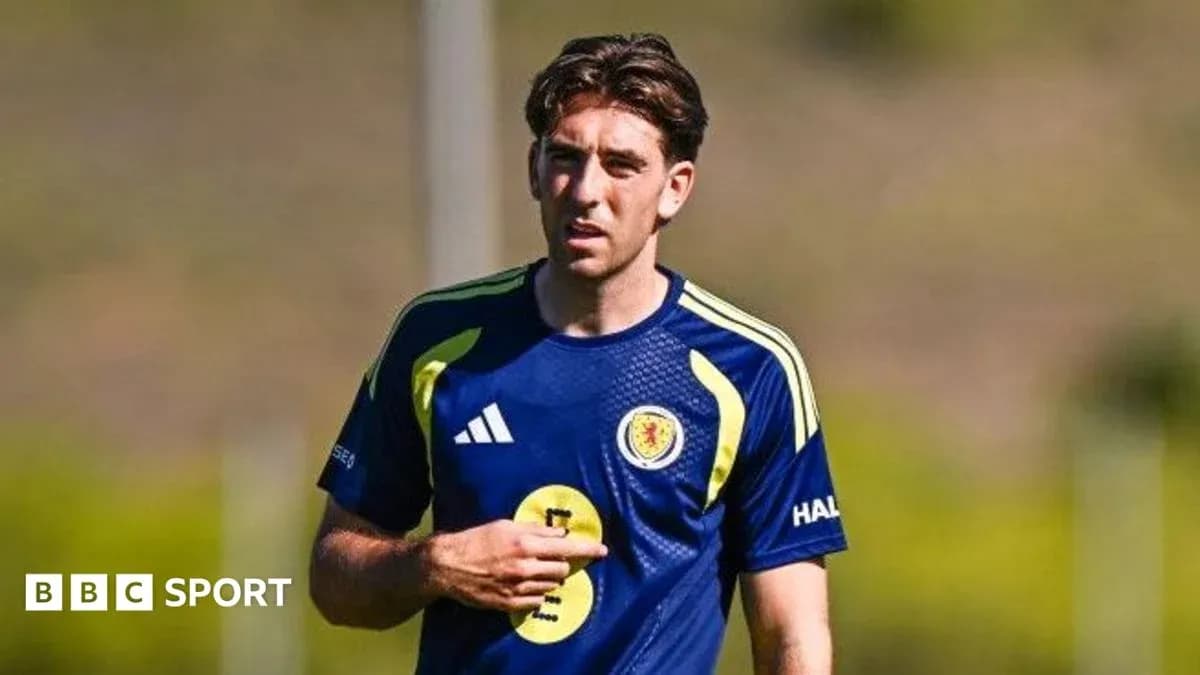
Youri Tielemans came in via a £35 million release clause – £90 million cheaper than Enzo Fernandez cost Chelsea. Andrey Santos was £77 million less than his former Stamford Bridge team-mate, even if the Brazilian spent more time watching than playing there while the Argentinian started regularly.
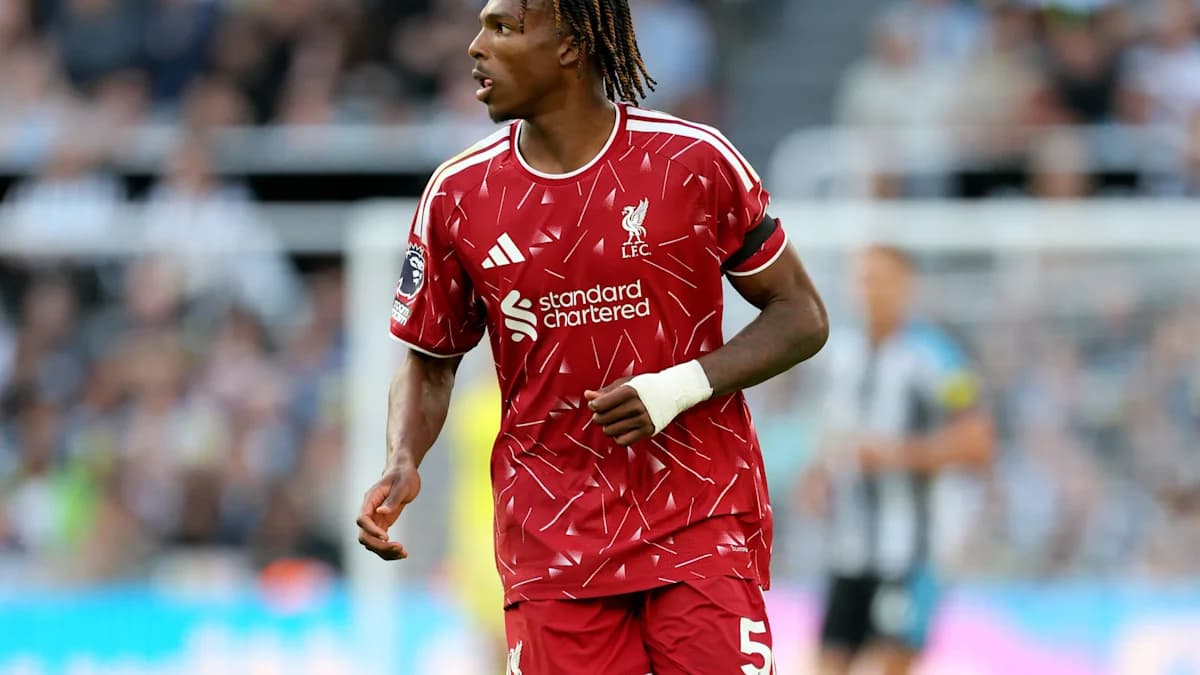
Carlos Baleba was the priciest of the trio at an initial £65 million. Even that only made him the 10th most expensive signing by a Premier League club this summer.
It adds up to a squad remodelled on a tighter budget, led by a manager extracting more from what he has than any of his predecessors managed in the last decade.
United used to try to buy their way back to the top. Now they are discovering what happens when the chequebook closes and the league table – not the spending one – becomes the only measure that counts.