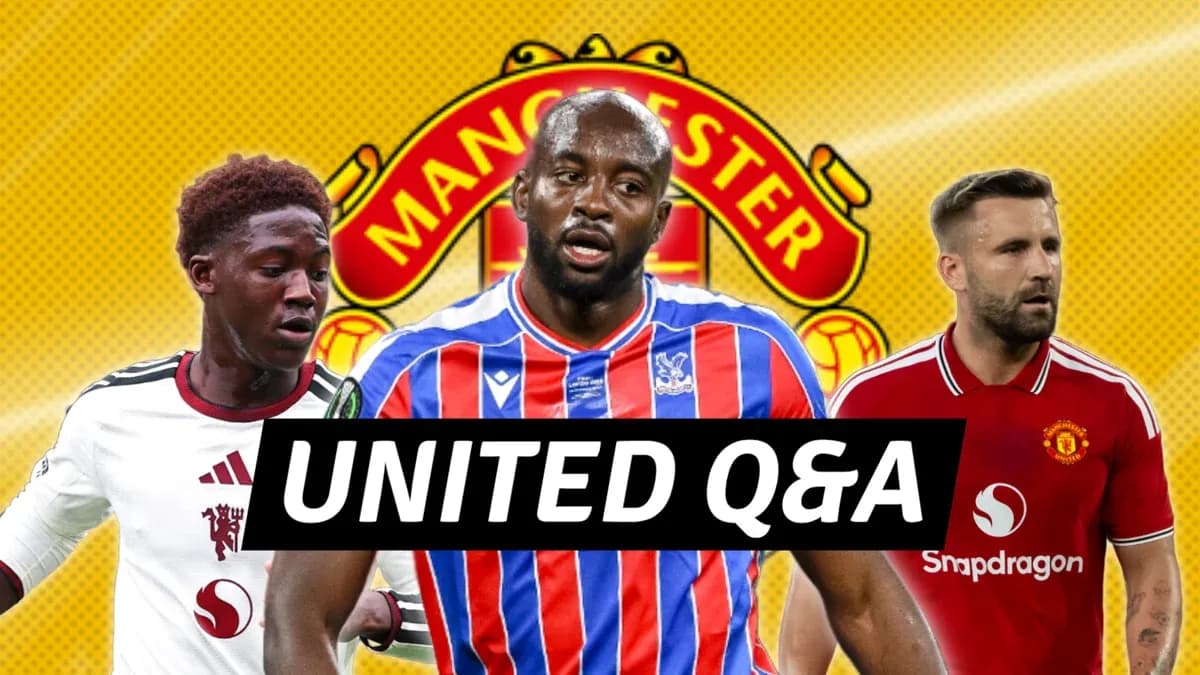
Manchester United's New Transfer Strategy: Value Over Blockbusters
Manchester United fans have grown used to summers built on noise: big names, big fees, big statements. Under Sir Jim Ratcliffe, that era is being quietly dismantled.
Since taking control of football operations, Ratcliffe’s team have pushed the club away from the days of chasing the next £100million headline. That doesn’t mean United will never break that barrier again, but for now, Paul Pogba’s £89m record from 2016 looks safe for a while yet.
This summer was never set up to be a spree. United needed a midfield rebuild and still have other areas to address, so throwing most of the budget at one marquee signing was never realistic. History shows United tend to spend heavily when they miss out on the Champions League, gambling big to get back in. With a top-three finish secured last season, this window was always likely to be leaner than last year’s £225m outlay. Different context, different strategy.
The Left-Back Question That Won’t Go Away
“When are United signing a left back?”
It’s the blunt question echoing around the fanbase, and with good reason.
United should have pushed harder for Lewis Hall. Whether the Newcastle defender would actually have been open to a move is unclear, but United’s reluctance to properly test Newcastle’s resolve felt timid for a club that insists it wants to be ruthless again.
They do want a left-back. That much is clear. But the fee has to fit the new logic. The arrival of Carlos Baleba this week underlined that the decision-makers are prepared to walk away if the numbers don’t stack up, just as they did with Baleba last summer before finally landing him on their terms this time.
The urgency, though, is another matter. With Luke Shaw’s history of injuries, relying on him to get through a congested season without serious cover is a gamble. Yes, he stayed fit last year. That doesn’t erase the risk. United might not “undo all the good work” of this summer if they fail to sign a left-back, but they would be inviting trouble.
Mainoo, Baleba and the Shape of United’s Midfield
Some supporters see a problem where the club clearly sees a partnership.
“Mainoo is our midfield man. Why not play him regularly?”
“Don’t even know why we had to buy Baleba who’s not as good!”
Those are the frustrations doing the rounds, but they rest on a misunderstanding. Kobbie Mainoo and Carlos Baleba are very different midfielders, and there is nothing to suggest they can’t share the pitch. In fact, a Mainoo–Baleba pairing is a scenario United fully expect to explore this season.
As for Mainoo’s minutes, there’s context. He only returned to pre-season training less than three weeks ago. That meant he was never realistically in line to start the opening-day defeat at Hull. He came off the bench midway through the second half at the MKM Stadium and is now in contention to start on Sunday.
Inside the club, there is no doubt about his status. Mainoo is seen as both the present and the future of United’s midfield. His role isn’t shrinking because Baleba has arrived; if anything, the new signing should give him a more stable platform to play his natural game.
Cover for Shaw and a Call for a Striker
One supporter fearfully framed it this way: United are “in danger of undoing all the good work” if they don’t bring in a left-back to cover Shaw, with Harry Amass “nowhere near the level we need.” On top of that, they floated Jean-Philippe Mateta as the ideal experienced backup for Benjamin Sesko.
The first point hits closer to home than the second. Amass is talented but raw. Throwing him into a season where United want to consolidate and push on would be a huge ask. The need for another left-back is real, and the lack of urgency to address it is hard to ignore.
As for Mateta, the idea makes sense on paper: a seasoned Premier League forward behind Sesko. But the club’s focus and budget are clearly being rationed. Every move is being judged against value, fit and long-term planning, not just short-term insurance.
United’s new transfer era is not about fireworks. It’s about restraint, structure and picking the right moments to strike. The question now is simple: can that quieter approach survive the noise if a thin squad is exposed once the season truly bites?