Maresca on Manchester Derby: Adapt and Overcome
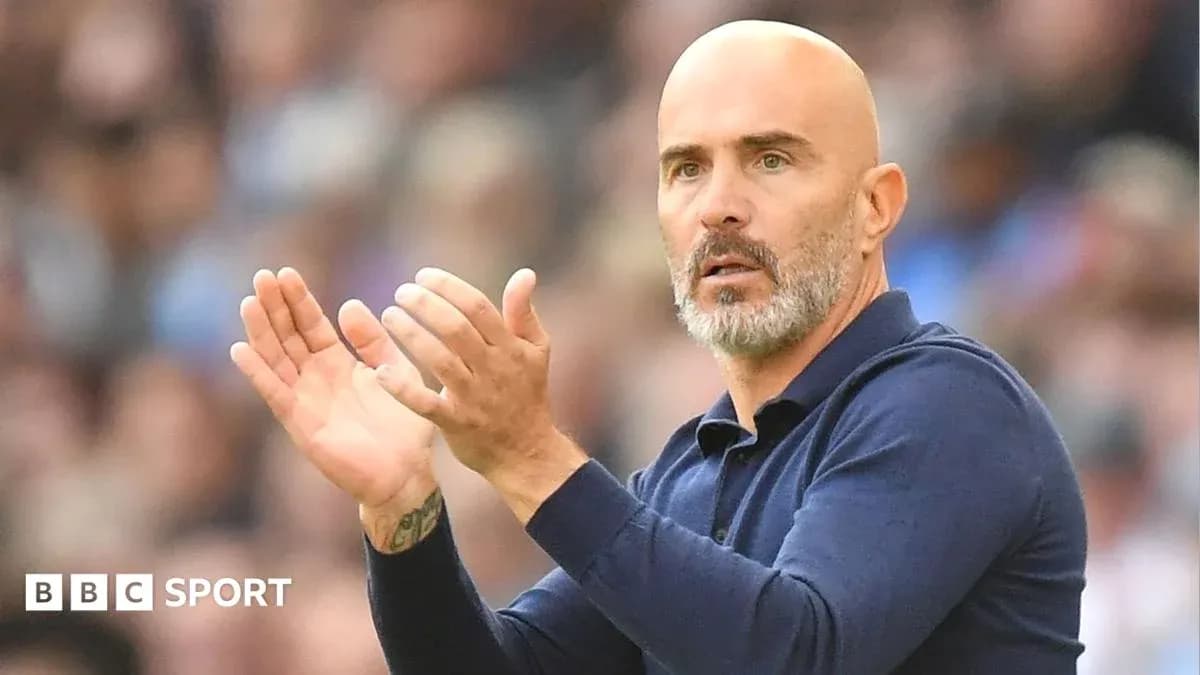
Enzo Maresca is walking into his first Manchester derby with two extra days in the bank and absolutely no interest in turning that into a talking point.
Manchester City wrapped up a controlled 2-0 win away at Porto in the Champions League on Tuesday night. Manchester United, by contrast, were still racking up goals on Thursday, hammering Sabah 4-0 under Michael Carrick. Forty‑eight hours later, they will be back out for one of the most demanding fixtures of their season.
If anyone expected Maresca to lean into the narrative of an advantage, they misread him.
“To be honest, the club mentioned to me that it happened exactly the same last year when the club played Napoli and then, after two days, played Arsenal,” he told BBC Sport, almost rolling the whole thing back into football’s wider chaos.
He has a point. City know this script.
Last September, before facing Arsenal at Emirates Stadium, City had to travel to Napoli for a late Thursday kick-off in Europe. Arsenal, meanwhile, had already been in action in the early slot at Athletic Club on the Tuesday. Then‑manager Pep Guardiola even joked he was taking his players “hiking in the mountains” to get them ready. The schedule didn’t bend for City then, and it won’t bend now for United.
“Sometimes it happens in football,” Maresca said. “I don't have any doubt that Man United are going to be ready for that. It just matters to adapt.”
That word kept coming back: adapt.
Fixture crush and a new Champions League reality
Managers across Europe have been warning about overload, but the calendar keeps swelling. The revamped Champions League has added two more group‑phase matches before the end of January. English clubs must also squeeze in the Carabao Cup, with little mercy from the schedule-makers.
For City, that means Norwich at home in the third round next Thursday. United face Brighton at Old Trafford the night before. The treadmill doesn’t slow, it only changes speed.
Asked whether it all evens out over a season, Maresca didn’t bite on any sense of injustice.
“I think that happens and you need to adapt,” he said. “It happened last year with us, this season with them, next season it will happen with a different team.”
No rant, no lecture, just a matter‑of‑fact acceptance that the rhythm of elite football is unforgiving and often uneven.
When pressed on how Carrick might be feeling about the quick turnaround, Maresca refused to speak for his opposite number. “That's a question for Michael. The only thing I can say is it happened and you need to adapt.”
First derby, fast start
Strip away the scheduling noise and Maresca’s focus is clear. He walks into his first Manchester derby with City in sharp early-season form. Three league games, three wins. Nine points, momentum building.
Across town, United have stumbled rather than sprinted. Four points from their opening three matches tells its own story. The gap is small in numbers, but the mood around the two clubs feels very different.
“It is very important for different reasons,” the Italian said of Sunday’s clash. “We know how important a derby is, especially here. It is a special game.”
The stakes are obvious. A derby is never just another fixture in Manchester. It sets a tone, sends a message, changes the temperature of a season.
Maresca, though, kept his blueprint simple.
“The most important thing we can do is try to be ourselves and then we see the final result.”
The schedule, the extra rest, the noise around fairness — all of it sits in the background. For Maresca, the real statement will come from whether City can impose their identity on his first taste of the derby’s fire.