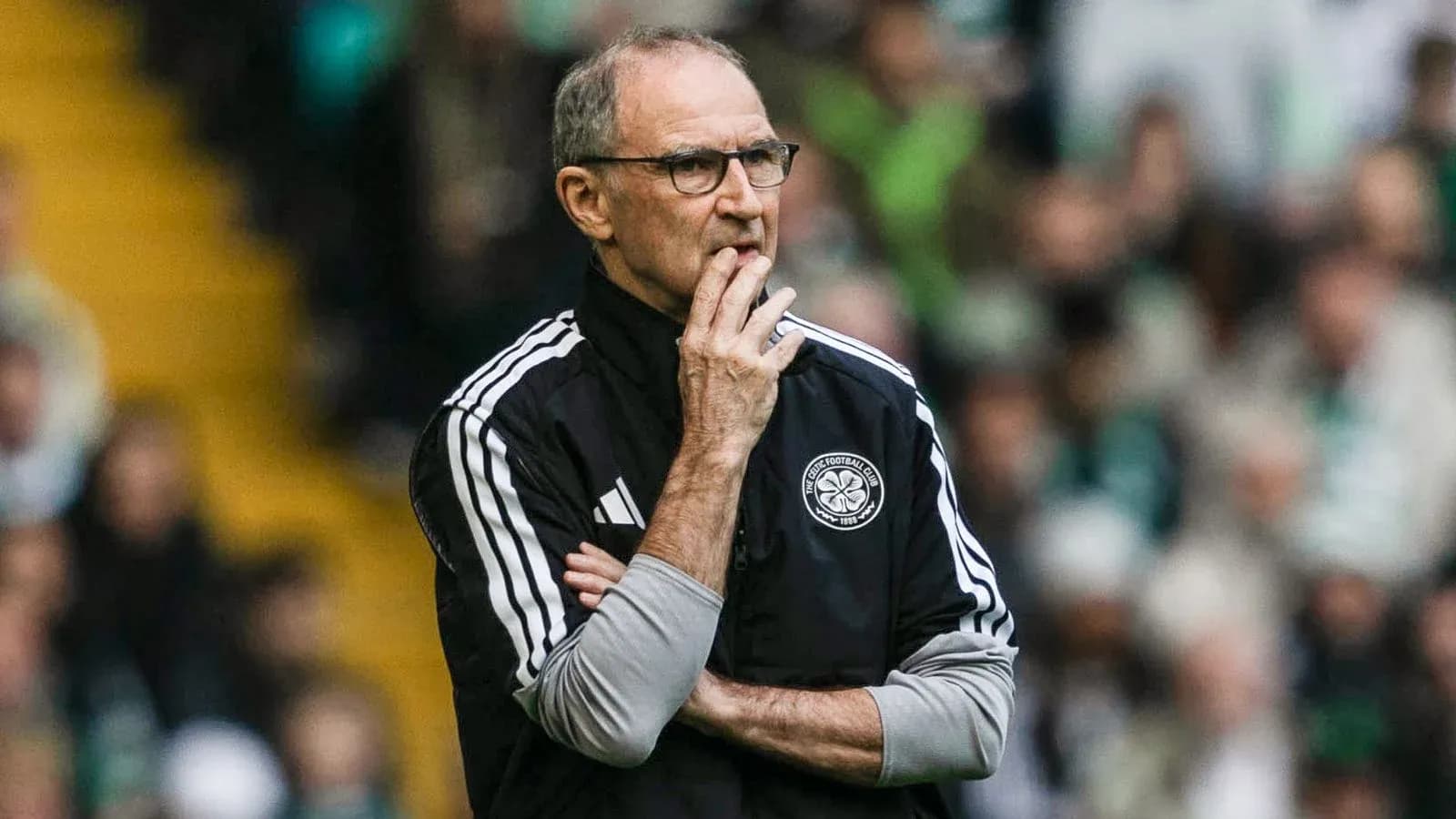
Martin O’Neill’s Celtic: Crisis or Just a Jolt?
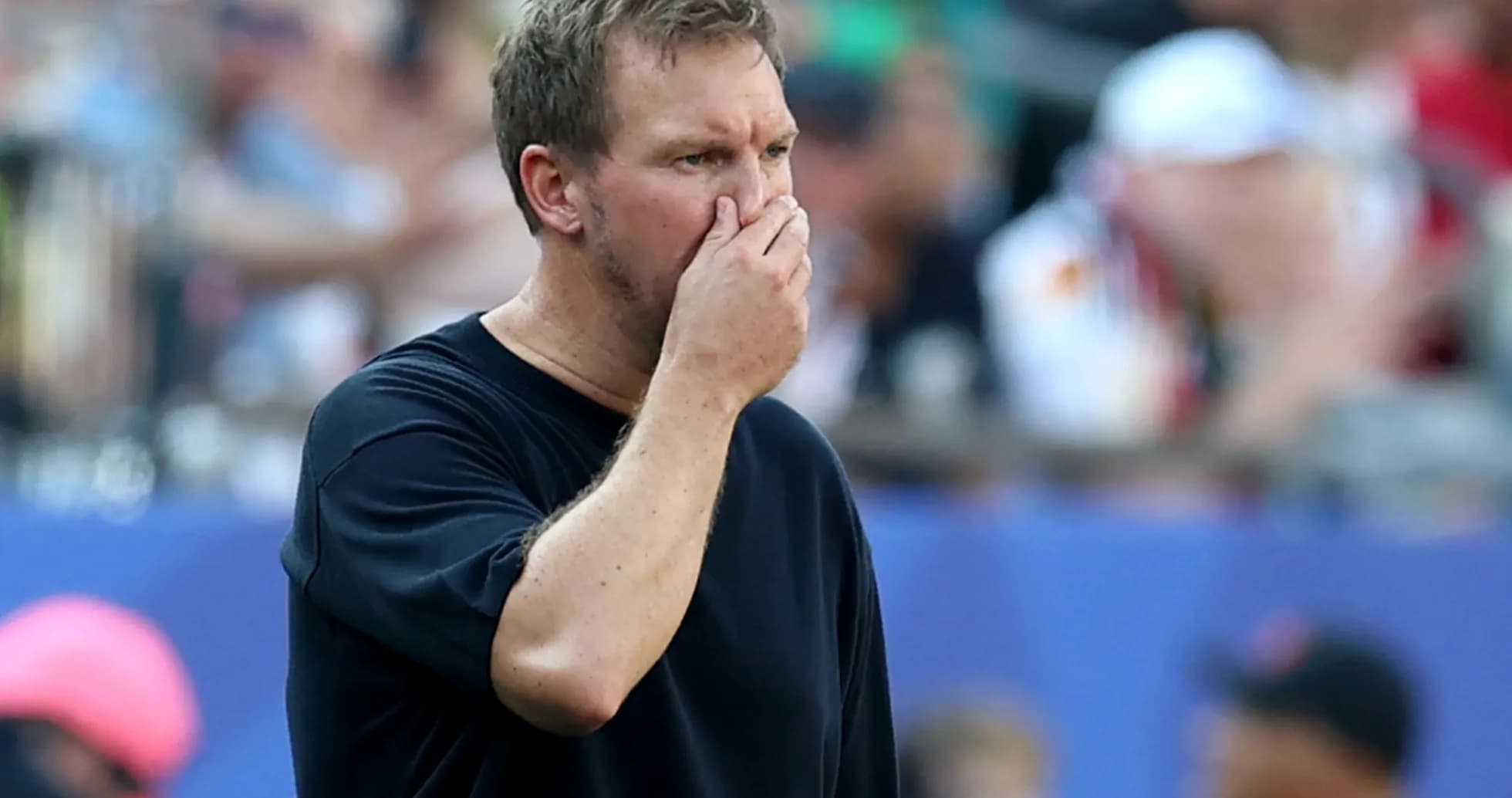
Martin O’Neill will always walk into Celtic Park as a legend. That part is non-negotiable. Seven major trophies, a UEFA Cup final, a team that snarled and fought and believed. But right now, with Celtic reeling, the question is no longer about his past. It’s about whether his present can be allowed to continue.
At 74, O’Neill has already admitted he will stop and decide if it is “time to wrap it up” after the 1-0 defeat to Rangers at Parkhead. That loss was more than just another Old Firm setback. It capped a brutal week that saw Celtic beaten twice by Rangers and outplayed 3-1 by Ferencvaros in the Europa League.
The performances have rattled the support as much as the results. Each display has bled into the next: flat, fragile, and miles from the ruthless edge Celtic fans recognise. With an international break looming, the fear in the stands is simple – if nothing changes now, what exactly is coming down the track for the rest of the season?
From Flying Start to Freefall Questions
On paper, the league campaign began as it should. Six straight wins in the Scottish Premiership, top of the table, the champions ticking along. But even in that run, there were warning signs. Unconvincing spells, disjointed passages of play, a sense that the foundations weren’t quite as solid as the points tally suggested.
Then came the collapse that changed the mood.
In the Champions League play-off against LASK, Celtic surged into a 4-0 aggregate lead. They looked home and hosed. Instead, they fell apart, conceding five without reply over the tie to crash out 5-4. That wasn’t just a defeat; it was an implosion. Questions about O’Neill and his players stopped being whispers.
The pressure tightened. A heavy beating by Rangers in the Scottish League Cup, followed by another meek Europa League outing against Ferencvaros, turned a wobble into a full-blown concern. The 1-0 Old Firm defeat at Parkhead, in front of 60,000 of their own, felt like the week’s grim full stop.
Celtic still sit top of the Premiership heading into a three-week break. But it is a slender two-point lead, not the eight-point cushion they could have held. That gap – and how it vanished – tells its own story.
Beyond the Dugout: Where Does the Blame Really Lie?
It is always easiest to look straight at the man in the technical area. Results slide, the manager’s name rises to the top of the charge sheet. Yet Celtic’s problems run wider than O’Neill’s tactics.
Discontent with the board has been simmering for some time. Protests last season targeted the hierarchy, and the calls for change upstairs have not faded. The summer transfer window did little to calm the noise.
Record signing Kasper Hogh and Camilo Duran arrived before the Champions League exit, but the real spending spree came late. Almost £20m went on Mika Baur, Haissem Hassan and Joel van den Berg before Deadline Day, part of a flurry of late business that left O’Neill still searching for balance as the season kicked off.
He is yet to find a formula. Midfield combinations have been chopped and changed. Shapes have been tweaked, then abandoned. In Sunday’s Old Firm, he went drastic – no wingers, five defenders, Kieran Tierney pushed higher up. The outcome was painfully familiar.
For years, Celtic have dominated domestically while selling key players and trusting that the machine would keep rolling. Fourteen titles in 15 seasons have bred an expectation that the league will take care of itself. Some supporters now see that dominance as a trap, a comfort zone that has allowed the board to drift.
Rangers and Hearts, though, are no longer bit-part players in a Celtic procession. The challenge is real, and this summer’s heavy spend has done little to convince many that the club’s money is being turned into the right kind of quality on the pitch. Among a growing section of fans, the feeling is stark: only a trophyless season will finally hammer home the message that a healthy bank balance is not a substitute for a winning team.
A Legend Under Strain
Scottish football can flip in an instant. O’Neill knows that better than most.
Last season he came back twice as interim manager, steadied a listing ship and somehow delivered a league and cup double that had looked a long shot. That rescue act persuaded him he was not ready to stay retired. So he returned permanently, 21 years after his first spell ended, to a club that still sings his name.
Back then, his Celtic were horrible to play against – organised, powerful, relentless. This season’s version is the opposite. They look easy to hurt. Easy to rattle. Easy to beat.
The affection from the stands remains, but it is no longer unconditional. Even the most loyal are now asking the question they never thought they would: is it time for him to walk away before the story turns sour?
Recent weeks have not helped his case. After the loss at Ibrox in the league, he swung the axe and made big calls for the Ferencvaros tie. They backfired. He reshuffled again for Sunday’s Rangers clash. Same story. Same failings. Same result.
The danger is clear. He could still match last season’s haul and walk away with more silverware. But if he cannot solve the structural problems in this squad, the season could end empty-handed – and with a legacy that suddenly looks less untouchable.
A Sliver of Light in the Gloom
Amid all the angst, one basic fact remains: Celtic are still top of the Premiership.
After the Rangers defeat, O’Neill told Sky Sports he did not believe “there’s very much between the teams” and leaned on the weight of history, insisting “the history of the club proves it will fight back” from a week of chaos. He pleaded for perspective, saying: “It’s concerning. Is it a disaster? I don’t think so. We have to rethink and reset.”
On that, he is right. The season is not lost in September.
Seven league games played, 31 still to come. Seven Europa League matches ahead. Plenty of time to repair, recalibrate, and turn this turbulence into another story of recovery.
But time will not drift on forever. After the international break, the schedule offers no hiding place:
- Motherwell vs Celtic on October 11
- Benfica vs Celtic in the Europa League on October 15
- Celtic vs Hearts on October 18
- Celtic vs Celta Vigo in the Europa League on October 22
- Hibernian vs Celtic on October 25
- Celtic vs Dundee United on October 28
Those fixtures will not just shape a season. They may define the final chapter of Martin O’Neill’s Celtic story. Does he still have one last great act in him – or is this the moment the legend decides he really has had enough?