Mexico's World Cup Journey: Aguirre's Last Ride and Rising Stars
El Tri arrive with a familiar weight on their shoulders and an old promise still unkept. An entire nation expects, demands, almost pleads for a run that goes beyond the bare minimum. Getting out of the group is non‑negotiable. Doing it as group winners is seen as the only way to avoid a brutal collision with the tournament’s giants in the last 16.
The pressure is suffocating. The ambition is not.
Aguirre’s last ride
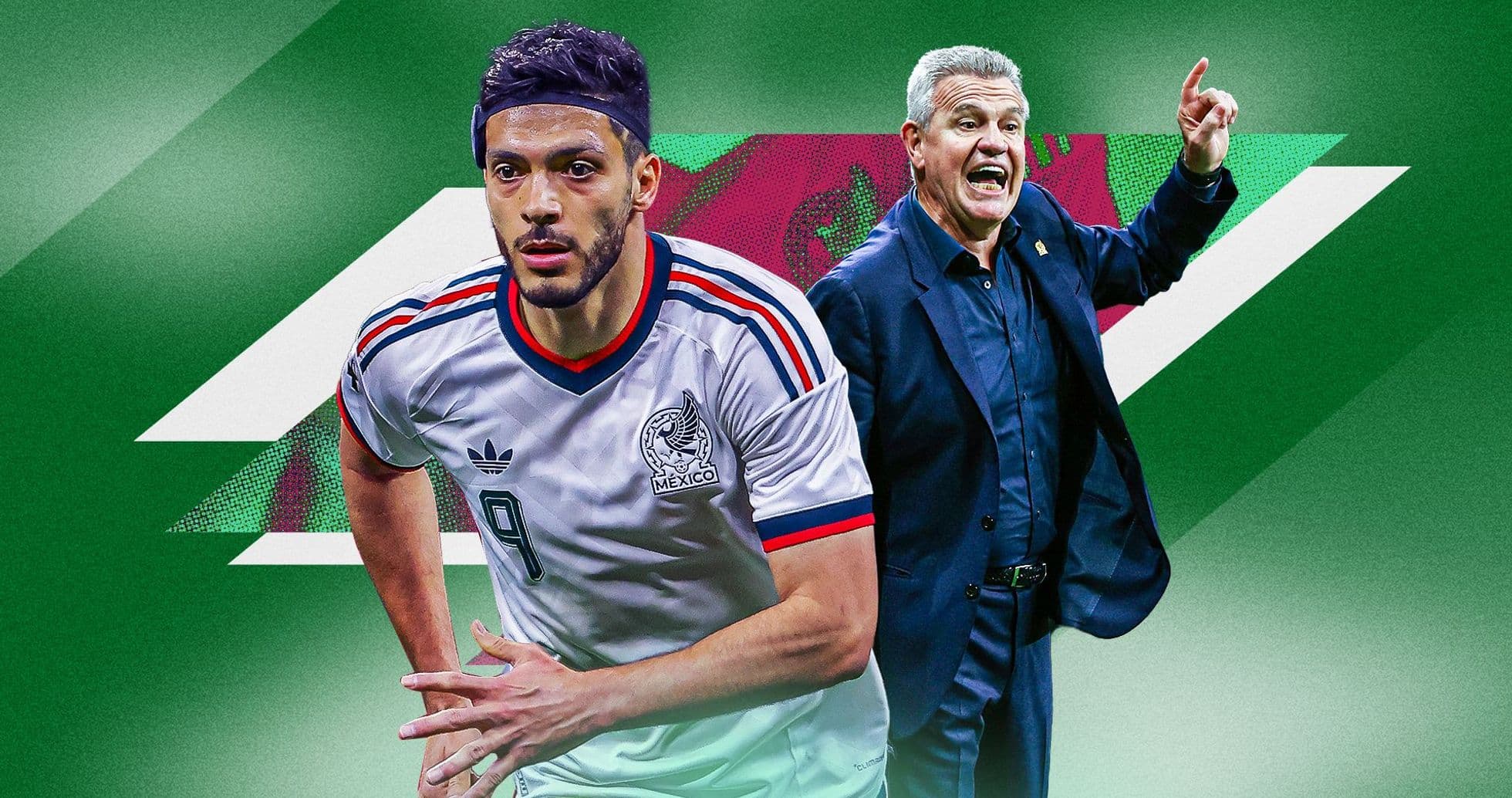
On the touchline, the story has a sense of closure. Javier Aguirre, back for a third spell with Mexico after World Cups in 2002 and 2010, will hand the reins to his assistant Rafa Marquez once this tournament ends. Until then, it is once again Aguirre’s team, his ideas, his selections – and his storm to ride out.
‘El Vasco’ is a two-time Gold Cup winner, a coach with scars and medals in equal measure. Yet he remains a lightning rod. Many Mexican fans grumble about his conservative tendencies, about a style they see as too cautious, too pragmatic, too short on spectacle for a country that craves flair. This squad will not silence that debate. It leans heavily on Liga MX, just as his previous ones did.
Even before the domestic season had wrapped up, 12 Liga MX players had already been pulled into the preliminary camp. The foreign-based contingent has since joined, but the backbone remains local, familiar, and very much in Aguirre’s image.
Steel at the back, questions in the middle
If there is one clear strength, it stands in the heart of defence. Johan Vasquez and Cesar Montes give Mexico a central pairing that looks built for tournament football: physically strong, aerially dominant, and hardened by big moments. They are the anchors around which everything else must balance.
Midfield, though, is where the story becomes more nuanced. Alvaro Fidalgo is expected to set the tempo, stitching play together with the kind of neat, reliable passing that keeps a side ticking. Beside him, Obed Vargas brings youthful legs and ambition, a player from the new generation asked to grow up quickly on the biggest stage.
Then there is the captain. Edson Alvarez has made the squad despite an injury-hit campaign, and his presence alone changes the tone of this team. When fit, he shields the back line, snarls into duels, and offers leadership that cannot be coached. The question is not about his importance. It is about how close he is to his peak.
Notably absent are some of the brightest names from recent years. Diego Lainez is out. So is Chucky Lozano. Their omission underlines the shift: this is not a Mexico leaning on its old attacking darlings, but on a different mix of experience and raw promise.
Jimenez, still the reference point
Up front, the conversation inevitably turns to Raul Jimenez. At 35, preparing for his fourth World Cup, he remains the undisputed reference point in attack. No one in this squad truly threatens his status.
The Fulham striker underlined his importance during Mexico’s two trophy wins in 2025, scoring nine of the team’s 22 goals. Those numbers do not just decorate a CV; they define a game plan. When Mexico need a goal, the ball still gravitates towards him. Crosses, cut-backs, quick combinations – they all search for Jimenez in the box.
That reliance only grows given Santiago Gimenez’s struggles at AC Milan. A difficult season for the younger forward has left Aguirre with little choice. Once again, the weight of a nation’s expectations rests on the shoulders of a veteran who has seen almost everything, but knows he has one last chance to change the story.
Ochoa’s improbable sixth act
Behind him, another familiar figure steps back into the spotlight. Guillermo Ochoa, long thought to be drifting out of the national-team picture, has been pulled back in by circumstance and fate. An injury to Luis Malagon reopened the door, and with it the prospect of Ochoa appearing at his sixth consecutive World Cup.
It is a remarkable milestone, one that will place him alongside Lionel Messi and Cristiano Ronaldo at this tournament. For Mexico, it also brings something less romantic but just as valuable: calm. Ochoa has lived every version of World Cup pressure. He has faced Neymar, denied Brazil, carried the flag in years when Mexico had little right to dream. His presence in goal feels like a thread connecting generations.
A 17-year-old spark
For all the experience, it might be a teenager who decides how far this team can really go.
Gilberto Mora is just 17, fresh off a long injury lay-off that robbed him of much of the Liga MX season. Yet he arrives tagged as one of the brightest hopes Mexican football has produced in years. Not hype. Evidence. Record after record falling as he emerged with Tijuana, and scouts from Europe’s biggest clubs circling, waiting for the moment to move.
Mora plays where Mexico most need magic: as an attacking midfielder, a natural creator in the final third. This is a team that often struggles to carve out clear chances against organised defences. Aguirre can set the structure, Jimenez can finish, but someone has to unlock the door. Mora might be that someone.
His vision, his ability to slip passes between lines, to change the rhythm of an attack with a single touch – those are the qualities that can tilt tight games. For a country that has spent decades bumping into the same round-of-16 ceiling, a player like this offers something different: unpredictability.
Between burden and breakthrough
So Mexico stand where they so often stand: under heavy scrutiny, carrying old scars, braced for familiar questions. The central defence looks ready. The captain is back. Jimenez still leads. Ochoa refuses to fade away. A 17-year-old prodigy waits in the wings, ready to ignite a nation.
The minimum expectation is clear. The dream is, too.
The only unknown is whether this mix of grizzled veterans and fearless youth can finally turn that dream into something more than another chapter in the same, frustrating story.