Mexico's World Cup Journey Brings Hope and Pride to Communities in Southern California
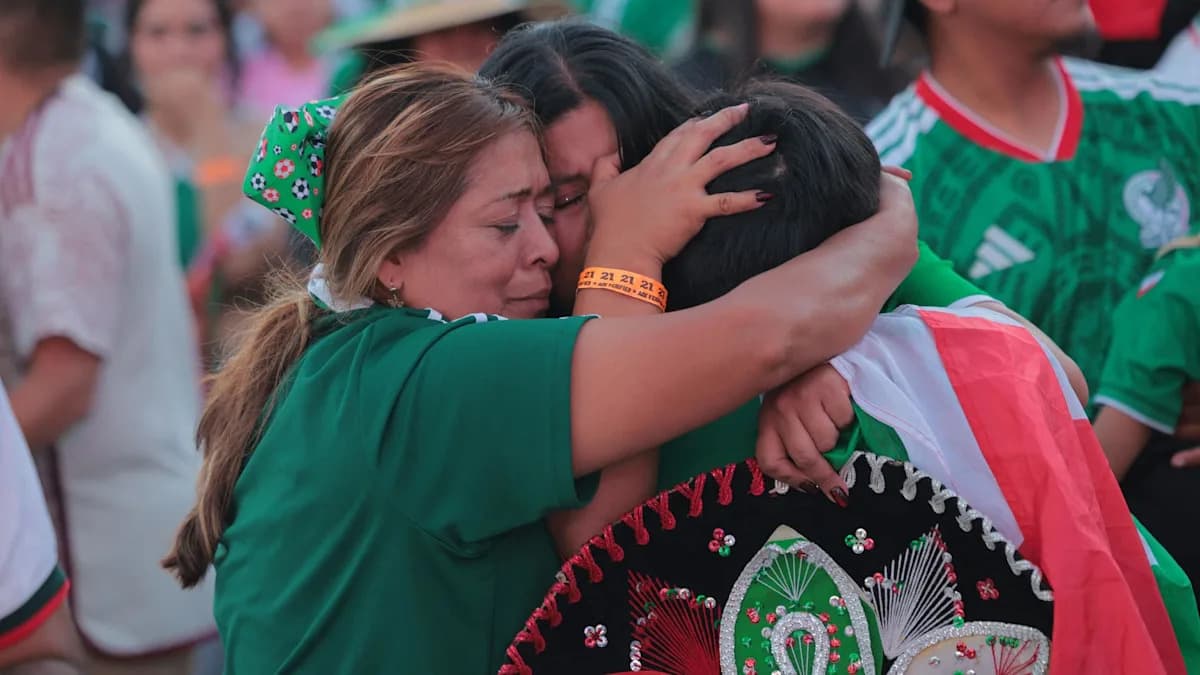
In a lively Santa Ana bistro packed with supporters, the air buzzes with energy. Mexican flags wave enthusiastically as fans stand, singing Cielito Lindo—their voices rising through disappointment and hope. Louie Leyla, a Mexican-American who has lived in California since 1990, acknowledges the loss but remains steadfast: “We’re going to keep rooting for our people, no matter what.”
Though Mexico’s run ended with a 3-2 defeat against England at the Azteca Stadium, the mood here feels far from final. For this passionate community on the U.S. West Coast, the tournament has been a victory that transcends the scoreboard.
A Community United Beyond the Match
Alicia Rojas sees the elimination as a win for Santa Ana’s community spirit. Nearby, Cynthia Rebolledo’s young son, dressed in full Mexico colors, keeps asking if there will be a parade, convinced they won. He has been cheering not only for the team but also for their shared identity.
The World Cup evolved into more than just football here. Leigh Slater, amidst music and dancing fans, reflects, “Football is like life. You lose, you win. But what we’ve seen is the unbreakable spirit of immigrants.”
The Vibrant Presence of Mexican Fans
Throughout the tournament, Mexican supporters were among the most visible. Their green shirts, flags, and chants filled stadiums across the U.S. and Mexico. Southern California, home to one of the largest Mexican populations outside Mexico, became a vivid stage for this enthusiasm.
From Fear to Celebration in One Year
This joyful scene contrasts sharply with last year’s reality. Many Latino neighborhoods endured intense immigration raids by ICE, causing businesses to suffer and families to stay indoors out of fear. The streets once full of life turned empty, an eerie silence replacing usual bustle.
Los Angeles Times columnist Gustavo Arellano recalls how downtown Santa Ana’s streets were deserted during these operations, with National Guard vehicles stationed nearby. “This was June last year. These streets were empty unless you were protesting,” he says.
Now, the crowded bistro filled with maracas, horns, and chants represents a form of catharsis—especially for Mexicans and Latinos broadly.
Identity and Pride on Display
With Mexico hosting part of the World Cup and advancing to the knockout stages, fans found a chance to celebrate their heritage openly. Months earlier, many feared immigration enforcement, but now they sang the national anthem, waved flags, and wore El Tri jerseys proudly in public fan zones. For many, being Mexican and American coexist without conflict.
Arellano notes that in the 1990s, Mexican fans were sometimes labeled unpatriotic for displaying their flag. Today, as America grows more diverse, such expressions have grown stronger.
He admits a hint of cynicism about Mexico’s chances but respects the team’s relentless effort. “We never give up until the very end. England was just a superior team.”
Celebrating Dual Identities
As the U.S. marks its 250th anniversary amid debates over immigration and identity, diaspora communities rallied not only for Mexico but for nations like Scotland, Argentina, Colombia, Ecuador, Morocco, and Egypt. This reflects an America where millions maintain strong ties to more than one homeland.
For many Mexican-Americans, the World Cup offered a celebration of two homes they cherish equally.
At a challenging time for Latino communities, this tournament provided something rare: joy and pride in their culture and resilience.