Michael Carrick: The Interim Manager Debate at Manchester United
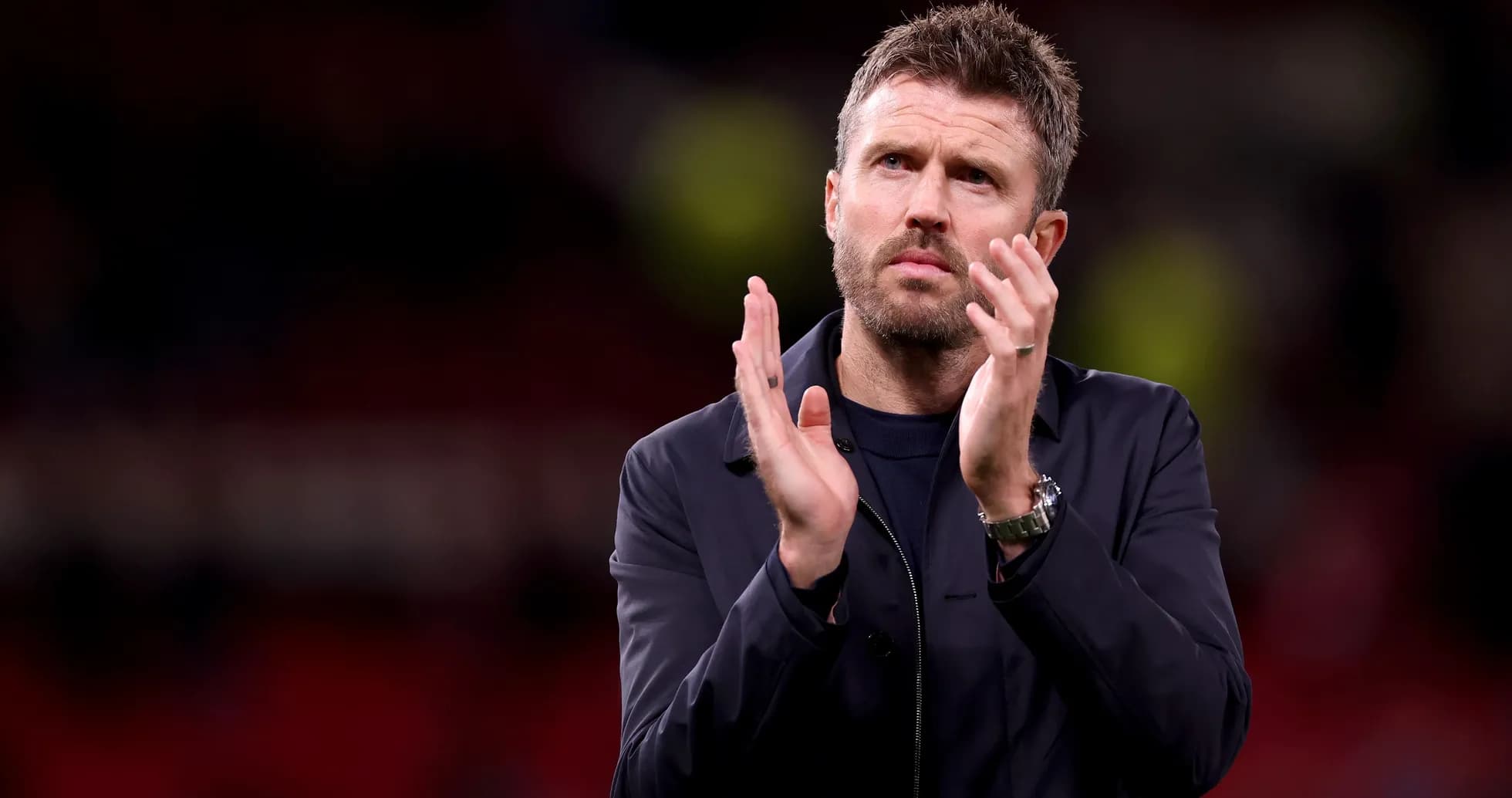
Michael Carrick is barely a few weeks into his permanent reign at Old Trafford, and already the knives are out.
Jamie Carragher, writing in his column for The Telegraph, has questioned whether Manchester United’s decision to hand Carrick a two-year deal is anything more than a stop-gap dressed up as a long-term plan. Carrick earned that contract after stepping in following Ruben Amorim’s dismissal last season, winning 11 of his 16 games in charge and steadying a listing ship. It was enough to convince the hierarchy. It has not convinced everyone else.
Carragher’s verdict is blunt. In his view, United supporters largely accept the logic of keeping Carrick and want desperately for him to be the man who drags the club back to Premier League and Champions League titles. Outside that bubble, he says, belief is far thinner.
"To most, it feels like Carrick remains an interim solution in all but name, entrusted with the keys to Old Trafford until a super coach can move in during the summer of 2027," Carragher wrote, arguing that the perception will be hard for Carrick to shake. The club see a project. Critics see a caretaker with a contract.
Echoes of Solskjaer
Carragher went straight for the most obvious comparison: Ole Gunnar Solskjaer. The Norwegian followed the same route from beloved former player to interim boss to permanent manager, only for the story to end with the sack and a familiar sense of drift.
In Carragher’s eyes, Carrick and Solskjaer share more than a playing history. They share the same route into the dugout.
"He is viewed beyond Old Trafford in the same way as Ole Gunnar Solskjaer when he was handed the job full time," Carragher continued. The key qualification, he argued, was not a glittering coaching résumé but their status as club greats. That opened the door as caretakers. Their positive starts made it an emotional and, on the surface, reasonable decision to give them the job long term.
Carragher’s point bites hardest when he strips away the romance. Judged solely on coaching CVs, he insists, neither Solskjaer nor Carrick would have been approached by another elite club in England or Europe. No other board would have the sentimental pull of their playing careers to tip the scales when deciding on such a high-profile appointment.
Backed in the market, judged on the pitch
United have not treated Carrick like a temporary solution in the transfer market. The club sanctioned around £140 million of spending in the summer, handing him a rebuilt midfield. Youri Tielemans arrived with Premier League pedigree, Carlos Baleba brought energy and potential, and Andrey Santos added another young option in the centre of the pitch.
The message from upstairs was clear: this squad should compete on multiple fronts.
The response on the pitch has been anything but clear. United opened the league campaign with a bruising 2-0 defeat to newly-promoted Hull City, a result that instantly cranked up the scrutiny. One game into the season and the questions about Carrick’s suitability had fresh ammunition.
United did respond, but only partially. A hard-fought win over Ipswich Town steadied the mood without quite restoring confidence. A frustrating draw against Everton then dragged the conversation back to inconsistency and identity. The results have not been disastrous. They have not been convincing either. For pundits like Carragher, they feed the idea that Carrick sits a rung below the elite.
Europe has told a different story so far. United opened their Champions League campaign with a commanding victory over Azerbaijani debutants Sabah FK, a performance that hinted at the potential within Carrick’s squad when the pieces click. It was the kind of night that gives a manager breathing space and a fanbase hope.
But Old Trafford no longer judges its managers on comfortable group-stage wins alone.
Derby as an early verdict
Now comes the real examination: the Manchester derby. For any United manager, it is a fixture that defines mood, narrative and, sometimes, careers. For Carrick, this one arrives loaded with context.
Lose, and the chorus grows louder that he is not in the bracket of the "super coaches" Carragher referenced. Win, or even deliver a performance that suggests United can go toe-to-toe with their neighbours, and the conversation shifts, at least temporarily, from whether he belongs to what he might build.
The 2027 horizon Carragher mentioned hangs over everything. United have given Carrick time on paper, but every stumble is now framed as evidence for or against his long-term viability. Every win is not just three points; it is another argument in his favour.
For now, Carrick stands where Solskjaer once stood: backed by the board, cherished by many fans, doubted by much of the outside world. The next 90 minutes against their fiercest rivals will not decide his future alone, but they will go a long way to telling us whether he is rewriting the script — or merely replaying an old one.