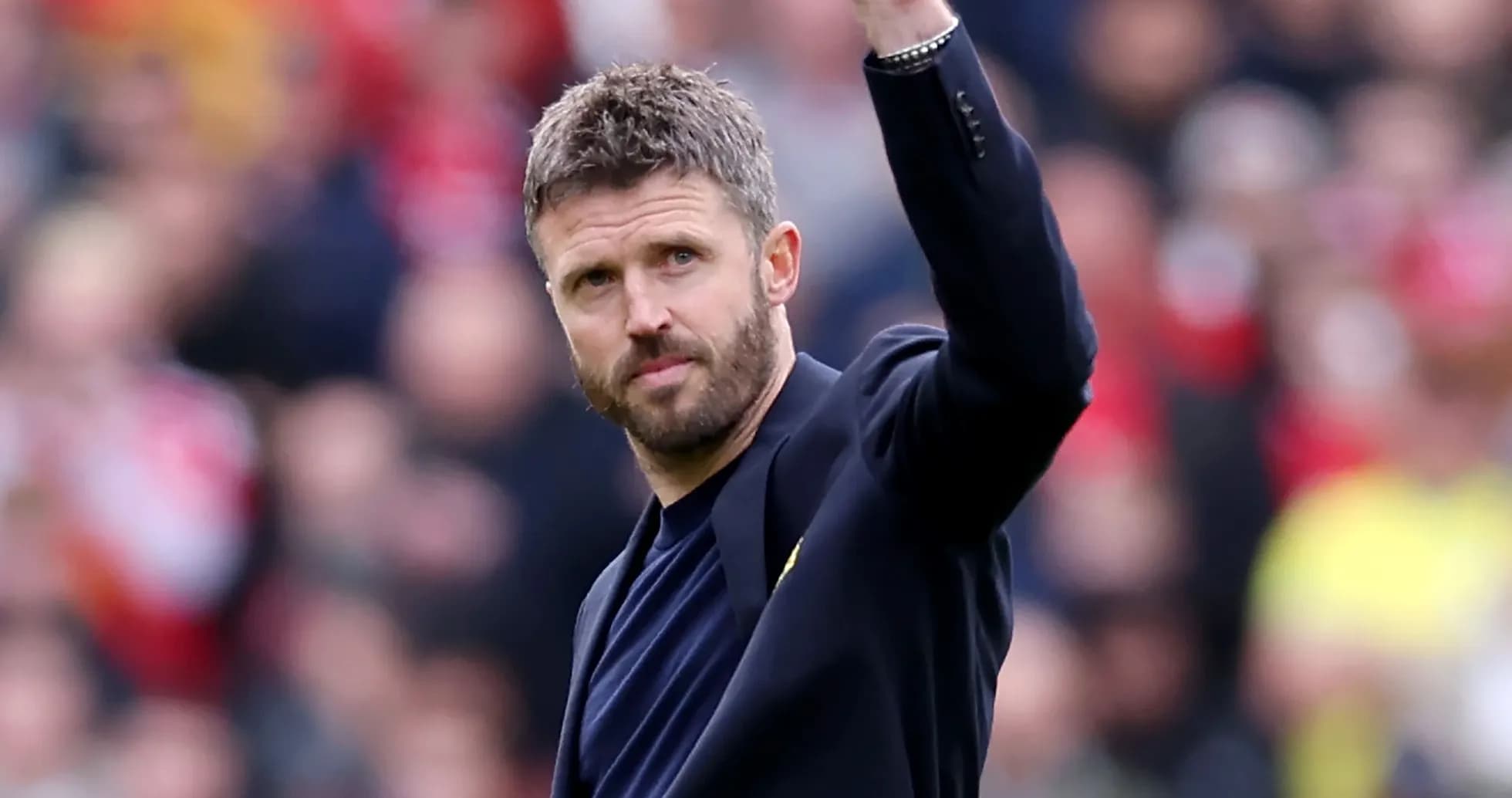
Michael Carrick: From Player to Permanent Manager at Manchester United
Michael Carrick has spent most of his football life carrying Manchester United’s midfield. Now he carries the whole club.
Two decades after first walking into Old Trafford as a player, the multi-time Premier League winner has been handed the job he once seemed destined for, confirmed as permanent manager after a five-month audition that dragged United back towards their old standards.
“From the moment that I arrived here 20 years ago, I felt the magic of Manchester United,” he said via the club’s official channels, the weight of the role clear but welcomed. “Carrying the responsibility of leading our special football club fills me with immense pride.”
This is not a sentimental appointment. The decision came because Carrick has done what so many before him failed to do in the post-Sir Alex years: restore a sense of identity and control.
From caretaker to custodian
When Carrick stepped in on a temporary basis, United looked fragile, short of belief and even shorter of cohesion. Results improved quickly, but it was the manner of those performances at Carrington and on matchdays that convinced the hierarchy.
Across those five months, his squad hit the levels he demanded: resilience when games turned ugly, togetherness in tight moments, and a determination that had too often been missing. The dressing room responded. The training ground sharpened up. United began to look like United again.
“Throughout the past five months, this group of players have shown they can reach the standards of resilience, togetherness and determination that we demand here,” Carrick said. “Now it’s time to move forward together again, with ambition and a clear sense of purpose. Manchester United and our incredible supporters deserve to be challenging for the biggest honours again.”
That last line is the crux. United are not celebrating a return to competence. They are demanding a return to contention.
A vision that fits the badge
Inside the club, there is a firm belief that Carrick’s blueprint mirrors the institution’s core values: front-foot football, tactical intelligence, and a strong inner culture.
Director of football Jason Wilcox did not hide the board’s conviction.
“Michael has thoroughly earned the opportunity to continue leading our men’s team,” he said. “In the time he has been doing the role, we have seen positive results on the pitch, but more than that, an approach which aligns with the club’s values, traditions and history.”
The Champions League qualification under his watch stands as the headline achievement, a line in the sand after seasons of drift.
“Michael’s achievements in leading the club back to the Champions League should not be understated,” Wilcox added. “He has forged a strong bond with the players and can be proud of the winning culture at Carrington and in the dressing room, which we are continuing to build.”
That culture, as much as any tactical tweak, is why the interim tag has been stripped away. United believe they have found a manager who understands both the modern game and the unique demands of the badge on the chest.
The hard part starts now
The romance of the story is obvious: a former midfield metronome now conducting the entire operation. But the next phase will be ruthless, not romantic.
Carrick’s remit shifts instantly from firefighting to long-term engineering. Survival has been secured; now comes construction.
The summer transfer window looms, and with it a series of decisions that will define the next three to five years. United’s recruitment department, aligned closely with Carrick and Wilcox, must identify players who can deepen the squad without diluting standards. Depth is no longer a luxury. It is a necessity.
Carrick’s inclusion on the Premier League Manager of the Season shortlist underlines the impact he has already made. The challenge is to prove it was not a surge of new-manager energy, but the foundation of something durable.
He now has to design a pre-season that hardens this group for a domestic title push while bracing them for the strain of a Champions League campaign. Training loads, tactical layers, rotation plans – all of it must be built with the twin demands of England and Europe in mind.
The administrative side of the club is already locked into that mission: elite targets, smart exits, a squad capable of handling injuries and fixture congestion without losing its edge.
Carrick has earned the keys to Manchester United. The question now is whether he can drive them back to where he insists they belong: not just in the Champions League, but back in the conversation for the biggest prizes in the game.