Mikel Arteta's New Contract: Defining Arsenal's Future
Arsenal’s transfer window has split opinion. Their next piece of business won’t.
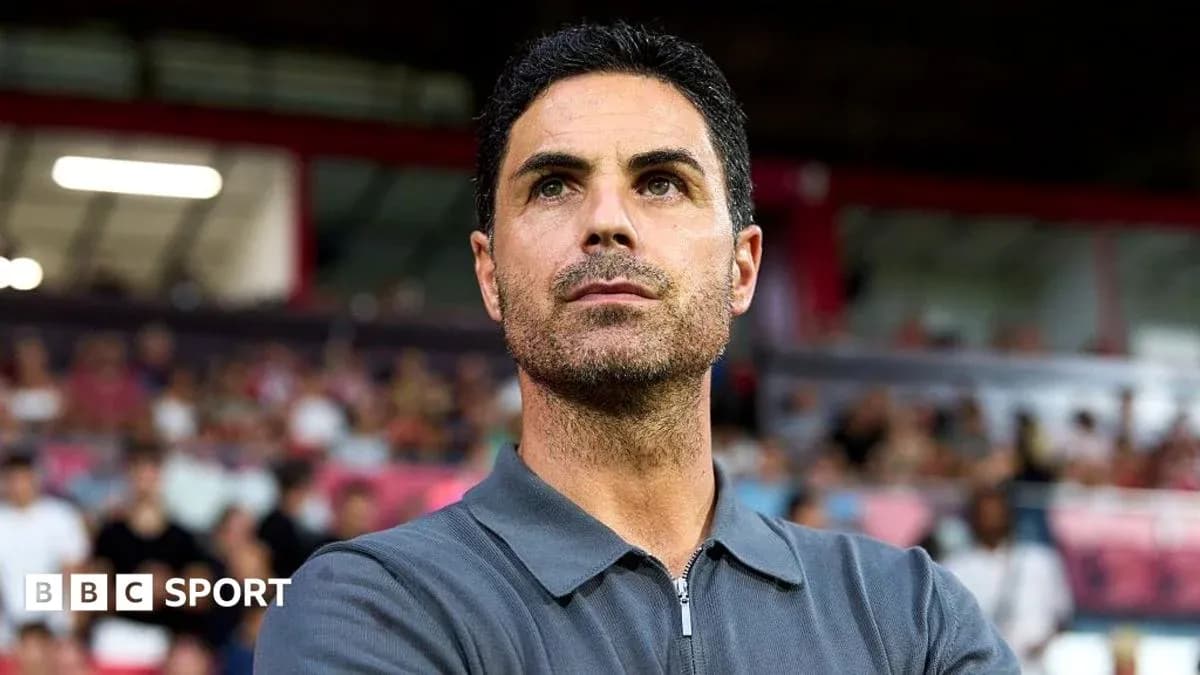
With the market shut until January, all eyes inside the Emirates have turned from player contracts to the one that really matters: Mikel Arteta’s. The club are now working to finalise an agreement with the manager over a long-discussed new deal that will define the next phase of Arsenal’s project.
Talks, by all accounts, have accelerated. Well-placed sources are confident the Spaniard will commit his future, and the mood around the negotiations is calm rather than tense. That reflects Arteta’s own public stance. Last month he cut through any speculation with a blunt message.
"Everybody feels comfortable that the timing of the contract is not going to be an issue because my will certainly is to be here and I'm very happy here. My feeling from the club is the same one. That's why everyone is doing things in a very organic way."
Inside the hierarchy, the line is similar. Chief executive Richard Garlick has already described the new long-term deal as a simple "matter of time". No brinkmanship. No late drama. Just the formal rubber stamp on a relationship both sides see as central to everything Arsenal have become.
When the paperwork is finally signed, Arteta will be rewarded accordingly. Arsenal are prepared to elevate him into the bracket of the best-paid managers in world football, significantly upgrading a contract currently worth £10m a season, with an extra £5m triggered by Champions League qualification.
For supporters, the announcement cannot arrive quickly enough. Arteta has only nine months left on his existing deal. On paper, that is the sort of countdown that usually fuels anxiety and whispers about succession plans. In reality, nobody at the Emirates is talking about life after Arteta. Not yet.
Since walking through the door in December 2019, he has overseen one of the most dramatic resets in modern English football. Arsenal have gone from a club drifting outside the Champions League to Premier League champions for the first time in 22 years. The title did not just restore status; it redefined expectations.
Now they start this season as overwhelming favourites to retain their domestic crown. The same squad is also widely backed to make a serious push for the one trophy the club have never lifted – the Champions League. Those ambitions only reinforce how central Arteta has become.
Like Arsene Wenger before him, he is the dominant force at Arsenal from a football perspective. At many clubs, the manager is nominally the leading figure but regularly finds decisions shaped by committees, executives or owners. At Arsenal, nothing significant happens with the first team without Arteta’s approval.
His influence is stamped all over the squad. Recruitment, style, culture – all flow through him. When Arsenal moved to try to sign Julian Alvarez and Vinicius Jr last month, it was Arteta who fronted the charm offensive, personally driving the pitch to two of the game’s elite forwards.
Strip him out of that structure and the whole dynamic changes. For the club’s ownership, that prospect is essentially unthinkable.
There is, of course, the long-term question that hovers over any elite Spanish coach. One day, Spain’s giants or the national team will call. A return home would carry obvious emotional pull. Yet Arteta understands the trade-offs. At Real Madrid or Barcelona, he would walk into institutions steeped in internal politics, where a manager’s authority is often contested and short-lived. At Arsenal, he holds a level of control and backing he is unlikely to replicate there.
Right now, the pull for him is north London, not Madrid or Barcelona.
The squad he has built is a major reason why. This is a group that has grown and hardened under his watch. The average age of 26.2 makes it one of the older squads in the Premier League, not a collection of prospects learning on the job but a team in its prime, ready to chase something lasting rather than fleeting.
Arteta’s new contract is not just about a pay rise; it is a statement of shared ambition. Arsenal’s summer business underlined that. The arrivals of Bruno Guimaraes and Ezri Konsa demanded serious investment, particularly with both turning 30 next year. These are win-now signings, not speculative plays for resale value.
Even the unsuccessful moves for Vinicius Jr and Alvarez carried weight. They showed Arteta that the club’s American owners are willing to aim high and spend heavily on the very top tier of talent if the opportunity arises. That level of intent is understood to have been a key demand from Arteta as negotiations over his future developed.
The result is a manager entering his sixth year in charge with more authority than ever. Arteta is already the longest-serving manager across the Premier League and EFL by some distance. His new deal will push him towards a decade in the job – a rarity in the modern game, and a clear sign of trust in his vision.
There is no suggestion he is easing off. No sense of a coach satisfied with one title and a rebuilt reputation. Instead, Arsenal are tying down a manager who still drives standards daily, still pushes for the next marginal gain, still sees more to come from a squad he helped mould.
The contract will confirm what the football already suggests: this is Arteta’s Arsenal, and the story is nowhere near finished.