Mohebi's Controversial Celebration After Iran's World Cup Opener
The ball hit the net, the stadium roared, and for a few seconds it was all about the football. Then Mohammad Mohebi raised his arms – and the conversation changed.
Iran’s 27-year-old midfielder had just struck a 64th‑minute equaliser to salvage a 2-2 draw against New Zealand in their opening World Cup group game in Los Angeles. It was a big goal, a vital point, the kind of moment that usually launches a tournament narrative about tactics, momentum, belief.
Instead, it launched a storm.
A goal, a gesture, and an immediate backlash
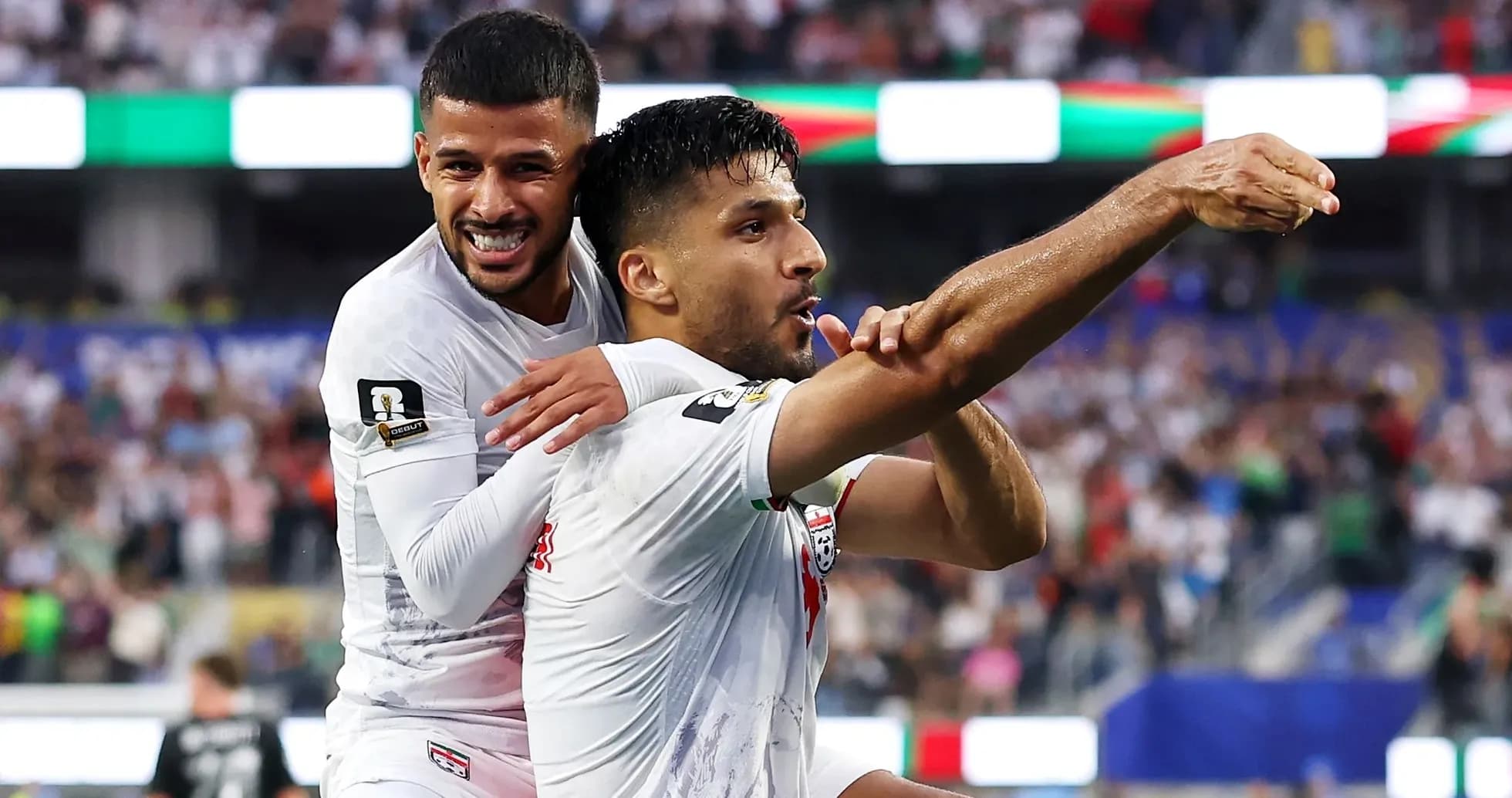
As Mohebi wheeled away, he pointed two fingers toward his arm, then extended two fingers on his right hand and sliced them through the air. To many watching, inside the ground and across social media, the sequence looked unmistakable: a “gun” gesture.
Clips of the celebration spread quickly. Within minutes, debate had broken out online. In a World Cup already charged with political tension around Iran, one improvised routine from a goalscorer became fresh fuel.
Some supporters and commentators demanded that FIFA step in and review the incident. Others argued it was being blown out of proportion. The match itself – a breathless 2-2 draw – faded into the background.
Mohebi insisted there was nothing sinister in it.
“I wanted to say thank you to all Iranians who live in Los Angeles, they make a great atmosphere,” he said afterwards. “The celebration came to mind, and I do this [gestures] for all of the fans, just a celebration, you know.”
He framed it as spontaneous, a nod to a diaspora that had turned a neutral venue into something far closer to a home crowd. But the interpretation battle was already raging elsewhere.
Rezaeian’s political hint adds fuel
The focus on Mohebi’s actions sharpened when teammate Ramin Rezaeian spoke after the match. The defender had produced his own striking celebration: after scoring, he pulled his shirt over his face and sprinted towards the supporters.
Asked what it meant, Rezaeian did not pretend it was neutral.
“It’s something political (his goal celebration), I don’t want to talk about that,” he said.
With that single line, he opened the door and shut it again. No details, no explanation, just an admission that politics had been part of the message. In the same breath, he tried to drag the conversation back to the pitch.
“We are here to answer football questions. If there is a problem between us (the Iranian people), it is between us.”
The contrast was striking. Mohebi, adamant his gesture was “just a celebration.” Rezaeian, openly acknowledging a political edge but refusing to unpack it. For a squad already carrying the weight of a divided nation’s expectations, it underlined how thin the line has become between football and everything around it.
FIFA’s next move
Attention now turns to FIFA. The governing body has been approached for comment on Mohebi’s gesture, and the question is simple: will they treat it as a harmless celebration or as a breach of their regulations on political or provocative symbols?
The images are clear. The interpretations are not. Any investigation would drop straight into an already sensitive context, with Iran’s national team under constant scrutiny for what they say, what they don’t say, and what they appear to signal.
For Iran, the timing is awkward. While the debate over celebrations gathers pace, the squad must prepare for a far more straightforward challenge on paper: Belgium, in their second Group G match in Los Angeles on June 21.
On the training pitch, the task is obvious – tighten up defensively, build on the resilience that earned them a point against New Zealand, and find a way to turn moments of inspiration into three points. Off it, they walk into another game knowing that every gesture, every celebration, every glance to the stands may be dissected as closely as any pass or tackle.
The goals in this World Cup are already carrying more than just the scoreline. How long can Iran’s players keep insisting it is “just a celebration” while the world keeps reading between the lines?