Morgan Rogers: Chelsea's £117 Million Gamble Amid Uncertainty
Morgan Rogers has never been shy.
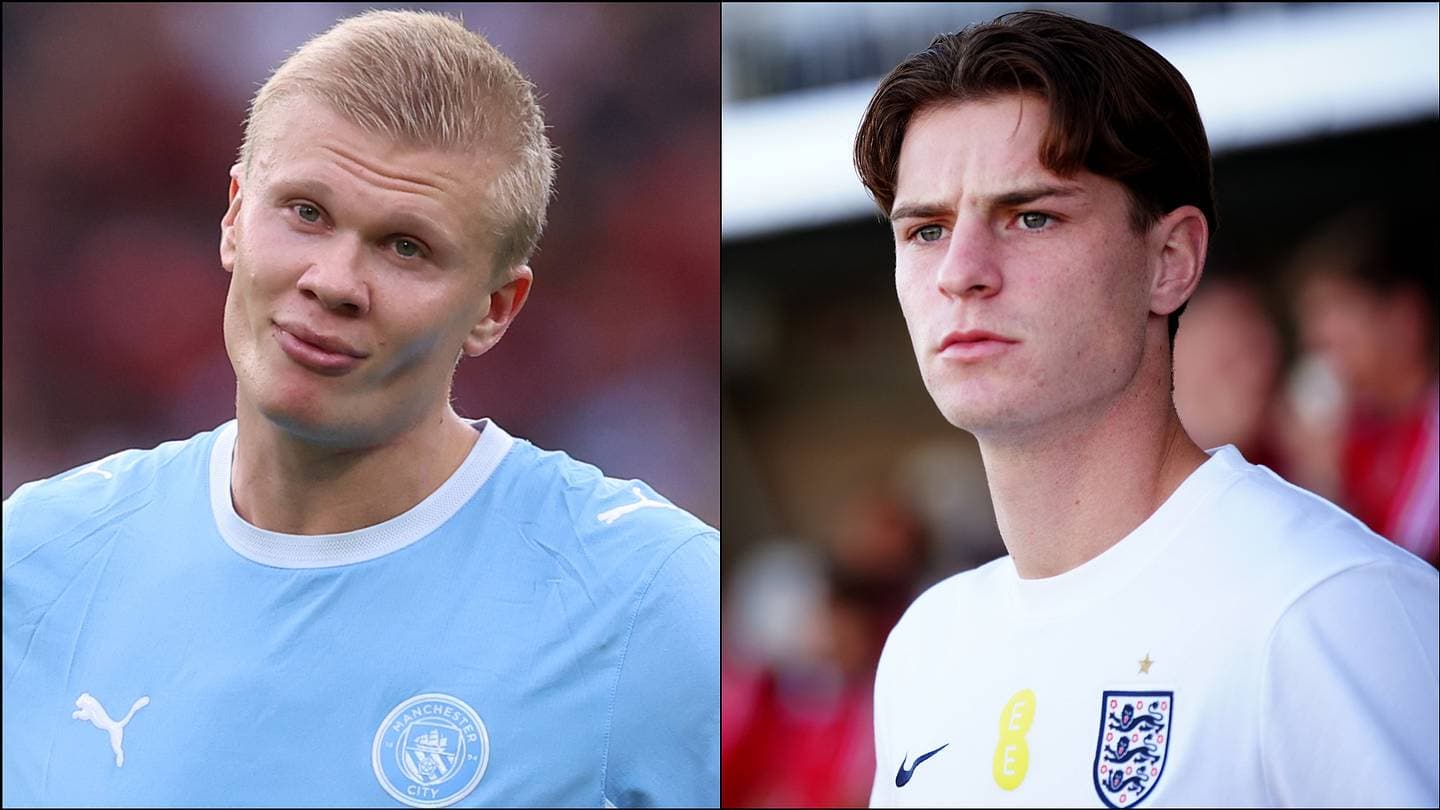
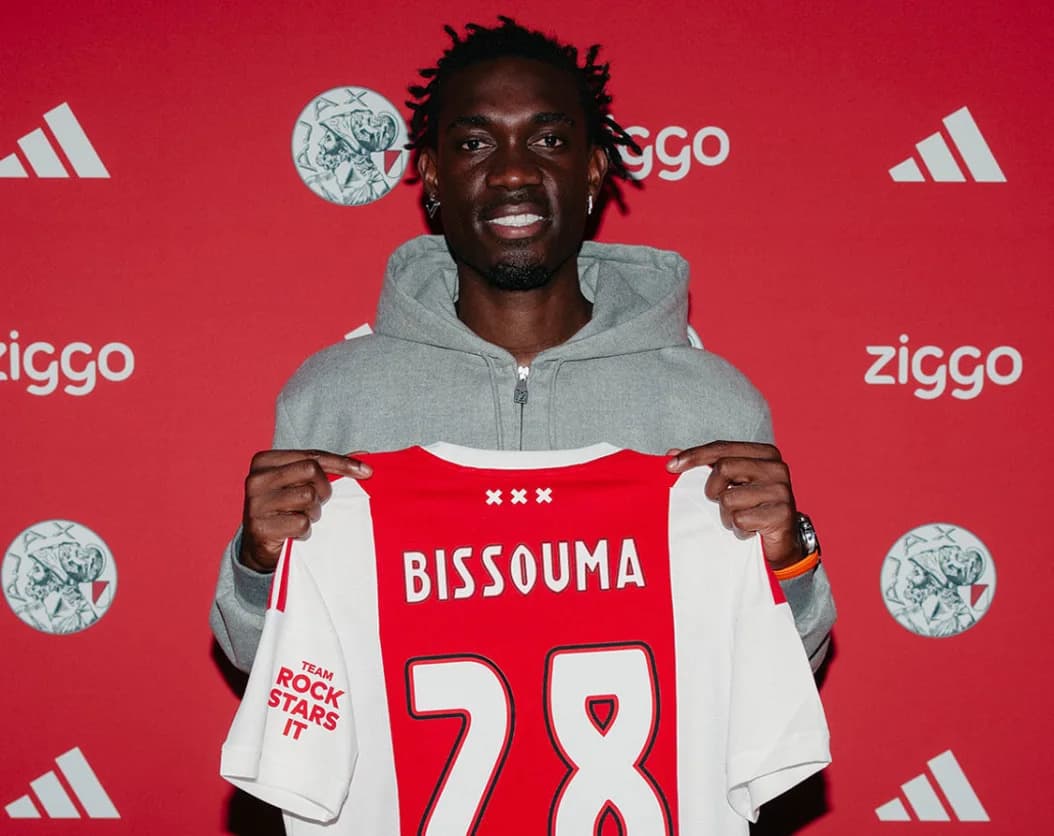
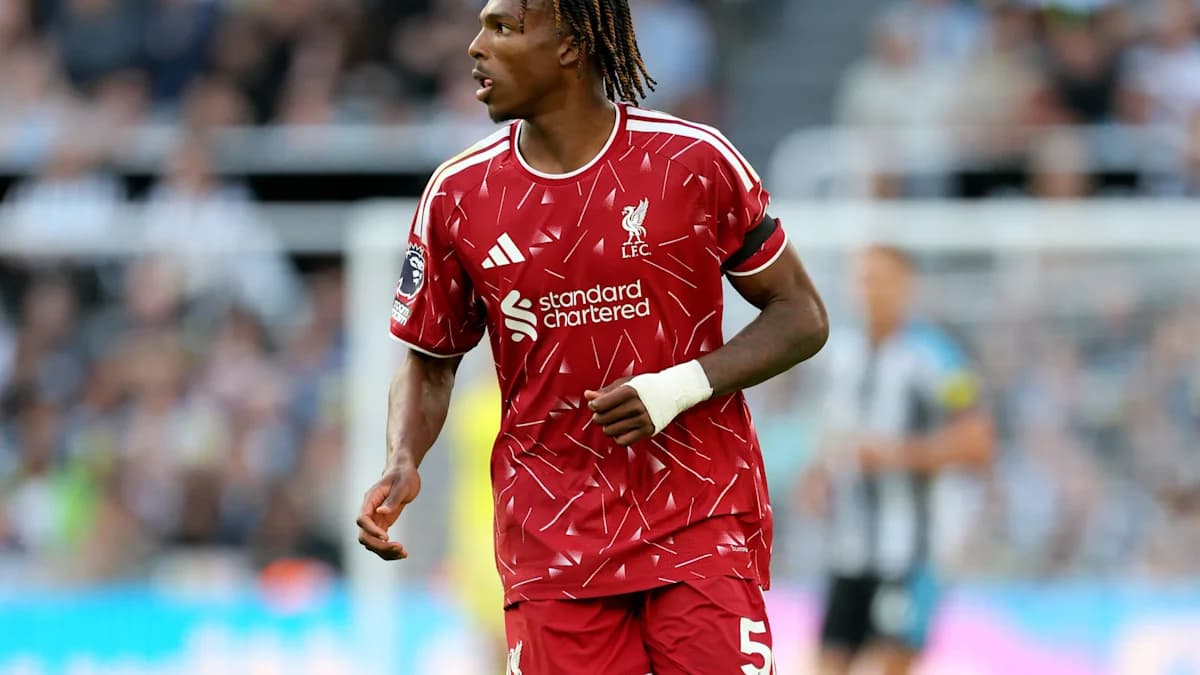
The 23-year-old walked into Chelsea last month as the most expensive British footballer in history, fresh from a £117 million move from Aston Villa, and declared he had joined "the biggest club in London". Arsenal fans heard the subtext. So did Mikel Arteta, after months of noise that Rogers had been high on the Gunners' wishlist. Rogers called Chelsea the "perfect" fit. The fee says Chelsea think the same.
The evidence says something else.
Rogers swaps certainty for chaos
Leaving Villa for Arsenal would have been a logical climb: from an upwardly mobile Champions League side to the reigning Premier League champions. A step into a more demanding spotlight, yes, but into a structure that works.
Instead, Rogers has walked into another Chelsea reboot. New project, same ownership, fresh uncertainty. BlueCo have handed the keys to Xabi Alonso, but there is no European football to soften the learning curve and no guarantee this iteration lasts longer than the last.
Chelsea’s trimmed schedule should, in theory, help them recover from last season’s 10th-place finish. Alonso, though, is no magician. His first summer has already been scarred by loss. Marc Cucurella has gone to Real Madrid. Enzo Fernandez could yet follow him out of the door. Take that kind of quality out of a squad and the foundations start to wobble.
This is not the stable, clearly defined environment a £117m signing usually walks into. It is a dressing room in flux, led by a coach still working out what this Chelsea can be.
A talent searching for his zone
Rogers flourished at Villa because Unai Emery knew exactly how to use him. He was a weapon in transition, driving into space, attacking disorganised defences. The game opened up for him. Emery let him run.
Chelsea will be different. Alonso wants control, the ball, and long spells of patient probing against low blocks. Rogers is not steeped in that kind of football. He is at his best as a No.10, operating between lines, turning and driving. At Chelsea, that space may not exist in the same way.
Then there is Cole Palmer.
Palmer is already the attacking reference point at Stamford Bridge and also likes to operate centrally. Alonso must find a way to fit both into the same XI without clogging the middle of the pitch. If he builds around Palmer, Rogers is the one who shifts. Out wide, his influence will almost certainly dip compared to the freedom he enjoyed at Villa.
Strip away the hype and you are left with a simple problem: Chelsea have paid a record fee for a player whose ideal role may not exist in the system his new manager wants to play.
Weight of the record
Price tags matter. They change expectations, dressing rooms, and headlines.
At £117m, Rogers is not just another signing; he is a statement. He will be expected to transform Chelsea’s attack from day one, to justify the outlay with goals, assists, and performances that drag the club back into contention.
That is a brutal burden. If he stutters early, the narrative turns quickly. A young player who thrived in a defined role at Villa suddenly becomes the symbol of a project that still looks muddled. For all his quality, Rogers is not the kind of generational figure who alone hauls a club from mid-table to title talk.
He may grow into the role. He may bend the team to his strengths. Right now, though, he looks like a brilliant footballer stepping into the wrong kind of storm.
Carrick’s reward at United: a thin squad and tighter purse strings
Michael Carrick earned his promotion. He steadied Manchester United, took them to third in the Premier League and back into the Champions League, and did enough to be trusted with the job full-time.
What he has not been given is a squad to match the ambition.
Under INEOS, the spending has been cautious. Just £75m has gone on Andrey Santos from Chelsea and Youri Tielemans from Aston Villa. Useful players, both. Not nearly enough.
United’s midfield is a problem waiting to happen. Casemiro has gone, Mason Mount cannot stay fit, and Manuel Ugarte is still working his way back from an ACL injury. One more midfielder is a necessity, not a luxury. Across the backline, depth is thin. Up front, the picture is even more stark: with Joshua Zirkzee edging towards Serie A, Benjamin Sesko could soon be the only natural No.9.
This is a team heading into a gruelling season with a skeleton squad.
Carrick’s early results were impressive – 12 wins from his first 17 games – but the performances told their own story. United leaned heavily on individual brilliance and defensive grit. They were conservative in possession, struggled to build from the back, and rarely looked like a side ready to dominate games over a long campaign.
That approach will not hold when the calendar fills up with three games a week. A slow start is entirely plausible. So is a slide in confidence. If United are drifting by early December, the pressure on Carrick will be suffocating.
INEOS would then be searching for a fourth head coach in less than three years. The cost of their caution may not just be measured in league position.
Arsenal step into the power seat
Arsenal finally broke their own glass ceiling last season. After three straight years as runners-up, they finished the 2025-26 campaign seven points clear of Manchester City and kept their nerve when it mattered. The psychological barrier is gone. The title is no longer a dream; it is the standard.
Arteta’s side now start this season as clear favourites – and not just because of their own strength.
Their rivals have regressed. Liverpool’s defence looks threadbare, a serious concern for a team built on high-intensity football. Manchester United lack the depth to handle the Champions League and a domestic title push. Aston Villa have tightened the purse strings. Chelsea and Tottenham are both in transition.
That leaves City, stripped of their aura and their architect.
Pep Guardiola has gone. So have Bernardo Silva and John Stones, two pillars of his era. Rodri, the 2024 Ballon d'Or winner and the heartbeat of the side, has joined Barcelona in a £65m move. He was the shield, the metronome, the leader. Take him out and the whole structure feels lighter, less secure.
Elliot Anderson has arrived for £116m, a huge bet on potential, but City are clearly entering a transitional phase. The teething problems have already surfaced. Arsenal dismantled them 3-0 in the Community Shield, a statement win that left Enzo Maresca with a long list of questions and very few immediate answers.
Arteta, by contrast, has the most settled, complete squad in the division. The addition of Bruno Guimaraes from Newcastle has only strengthened an already formidable core, adding bite, energy and creativity to a midfield that was already one of the league’s best.
Barring a collapse of their own making or an injury crisis on a scale rarely seen, the title should stay at the Emirates in 2027.
Arbeloa walks into a trap at Fulham
Fulham’s summer reshuffle completed a remarkable managerial carousel.
Marco Silva left after five strong years to take over at Benfica. That job only opened up because Jose Mourinho returned to Real Madrid, replacing Alvaro Arbeloa after a turbulent six months. Fulham, in turn, chose Arbeloa as Silva’s successor and handed him a three-year deal.
On paper, there is romance to it. Arbeloa learned under Mourinho and Carlo Ancelotti as a player, then showed faith in youth with both Real’s first team and Castilla. Fulham hope that blend of pedigree and development will lift their academy products.
The reality could be brutal.
Silva squeezed every drop out of a limited squad with a pragmatic 4-2-3-1, built on defensive discipline and clear structure. Arbeloa wants a higher line, more aggression, more risk. With Fulham’s resources, that approach can quickly turn from brave to reckless.
His time at Real exposed his flaws. Tactical questions piled up, and dressing-room friction chipped away at his authority. The spotlight at Craven Cottage will be softer than at the Bernabeu, but the dynamics of a dressing room do not change just because the cameras are fewer.
The squad has not been significantly upgraded. Gonzalo Garcia and César Palacios have followed Arbeloa from Madrid, and teenage forward Jonah Kusi-Asare has joined permanently from Bayern Munich after a promising loan. Encouraging moves, but not transformative.
Crucially, Fulham have not replaced Harry Wilson, their leading player for both goals and assists last season. That creative hole gapes wider with every passing week.
The fixture list offers no comfort. In their first five games, Fulham face Chelsea, Liverpool and Manchester United. An early slide towards the bottom three feels almost inevitable. If that happens, Arbeloa is a prime candidate to be the first managerial casualty of the 2026-27 campaign.
Newcastle’s dream turns sour
Fifteen months ago, Newcastle were a club on the rise.
They had just ended a 70-year wait for major domestic silverware by beating Liverpool in the 2025 League Cup final. They followed that by qualifying for the Champions League again under Eddie Howe. Tyneside adored him, and the Saudi-backed ownership looked fully aligned with their manager.
Now, the mood has flipped.
Alexander Isak, Anthony Gordon, Sandro Tonali and Bruno Guimaraes have all left St James’ Park. None have been adequately replaced. Of the five signings made in the current window, only one is over 20. Established stars have looked elsewhere. The project that once looked irresistible now feels uncertain and under-resourced.
Howe has gone too, deciding after five years that it was time to move on. Newcastle’s response was not to chase an elite European coach, but to appoint Matthias Jaissle from Al-Ahli in the Saudi Pro League.
Jaissle shares Howe’s front-footed instincts and has been labelled a "rock star" by CEO David Hopkinson. The problem is not his personality. It is his tools. He inherits a squad coming off a 12th-place finish, drained of some of its best players, low on confidence and short on time.
The owners, once seen as saviours, now face open hostility. Their decisions have alienated a fanbase that had embraced the new era. The atmosphere has turned sour, another weight on a squad already struggling to reset.
There is still quality at Newcastle. Enough to survive, on paper. But this club has already been relegated twice this century. To assume it cannot happen again, in the middle of such chaos, is to ignore both history and the warning signs flashing across Tyneside.