Nasarawa United vs Rivers United: A Tactical Showdown
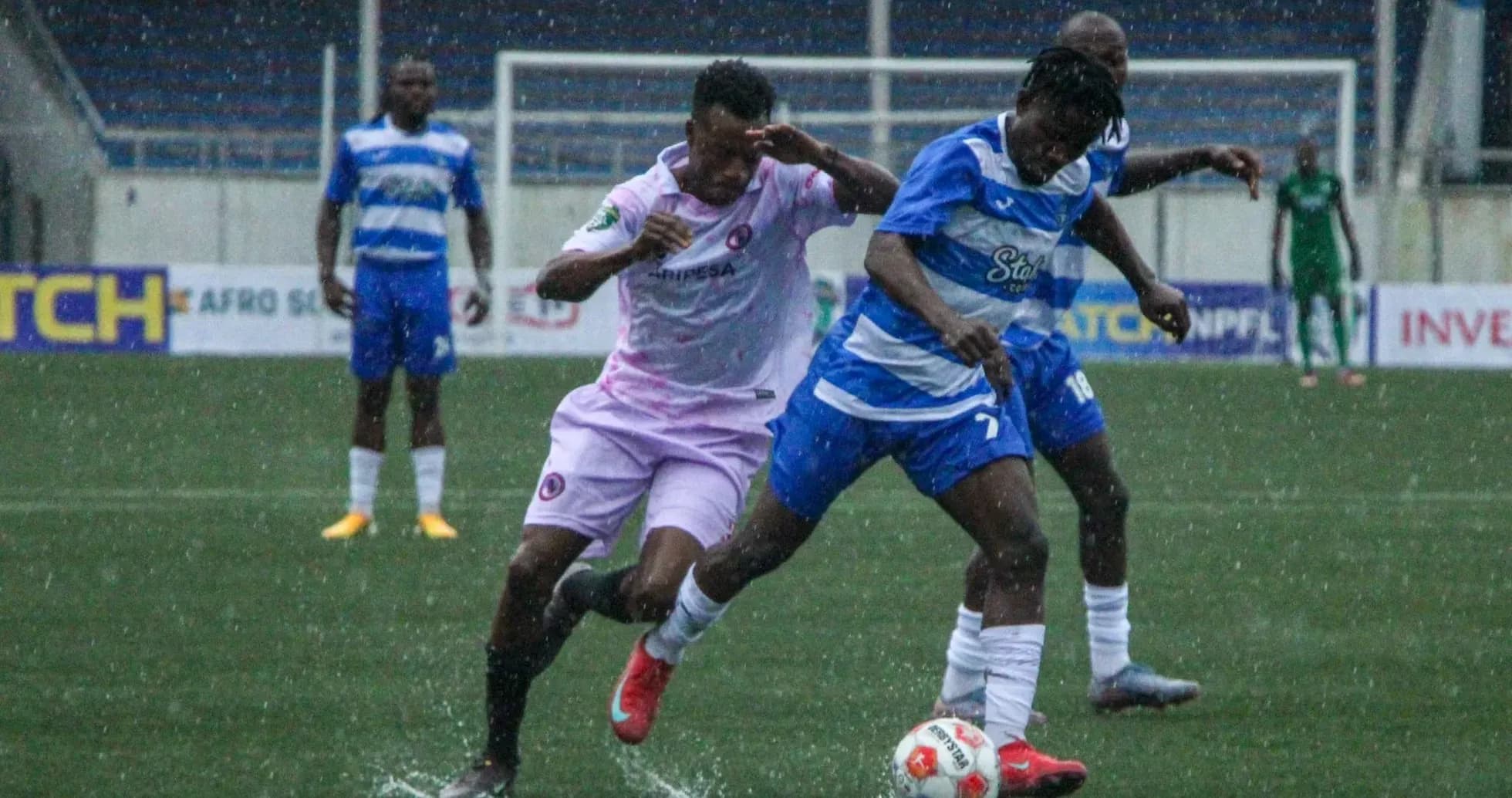
The Lafia Township Stadium played host to a meeting of contrasting early‑season identities: Nasarawa United, stubborn and still sketching out their attacking blueprint, against a Rivers United side already carrying the aura of NPFL contenders. The league table framed the story neatly. Nasarawa United came into Round 4 in 13th place with 4 points, a goal difference of -2 and a mixed “DLWL” rhythm that spoke of inconsistency more than crisis. Rivers United arrived in Lafia sitting 4th, unbeaten with 7 points, a goal difference of 4 and a “DWW” surge that hinted at a group already locked into its competitive stride.
Over the opening weeks, Nasarawa’s season has been defined by small margins. Overall they had played 4 matches, winning 1, drawing 1 and losing 2. At home they were quietly efficient: 2 matches, 1 win, 1 draw, 0 defeats, scoring 2 and conceding just 1. Away, the fragility appeared: 2 defeats, 2 goals scored but 5 conceded. The numbers underline a team that is structurally competitive but thin on firepower. They averaged 1.0 goal per game in total, with their attacking threat concentrated in specific windows: 50.00% of their goals coming between 31-45 minutes and another 50.00% between 46-60 minutes. Defensively, they had allowed 6 goals overall, an average of 1.5 per match, with a clear vulnerability late in each half – 50.00% conceded between 31-45 minutes and 50.00% between 76-90 minutes.
Rivers United, by contrast, arrived with the aura of a side that knows exactly who it is. Across 3 matches in total they had 2 wins and 1 draw, with 5 goals scored and only 1 conceded. At home they were ruthless – 2 wins from 2, 4 goals scored, none conceded – while on their travels they had already shown resilience with a 1-1 draw. Their total scoring rate of 1.7 goals per game, combined with conceding just 0.3 on average, painted the picture of a team that controls tempo and territory, not merely one that counters well. Two clean sheets at home and no match yet without scoring suggested a group with both defensive structure and attacking continuity.
Lineups
Into that statistical backdrop stepped two very different lineups. Rivers United, under Hakeem Busari, named an XI that looked built for control and vertical threat even without explicit formation data. E. Andy, wearing 32, anchored the side from the back, with E. Akobundu and O. Elias among those providing the defensive platform. The presence of S. Manyo and E. Utaka offered energy and ball progression, while the creative and attacking burden naturally fell on the likes of A. Dabai (7), A. Oyowah (10) and the forward thrust of M. Chijioke and W. Falolu. T. Zachariah completed a spine that suggested Rivers were prepared to be proactive even away from home.
On the bench, Busari had options to change the game’s tone rather than just its legs. H. Surveyor (9) and D. Iyowuna (8) offered alternative attacking profiles, while C. Ugwueze (17) and F. Ayuba (19) gave Rivers the possibility of adding fresh energy between the lines. With U. Williams (33) and G. Innocent (5) also available, Rivers carried defensive and structural cover to protect a lead or stabilise under pressure.
Nasarawa United’s XI, by contrast, carried the familiar feel of a side still searching for a stable identity but already clear about its work ethic. C. Olughu (31) started in goal, shielded by a defensive unit featuring A. Abdullahi (6), S. Dapma (29), C. Nduka (4) and A. Odinaka (27). It is from this platform that Nasarawa’s home resilience has grown – just 1 goal conceded in 2 home matches heading into this game, and 1 clean sheet already banked.
In midfield, the presence of H. Ebah (5) and A. Dabani (28) hinted at a double pivot capable of screening and recycling, while A. Sunday (11) and P. Samuel (10) were tasked with bridging the gap to the attack. Up front, the responsibility to turn Nasarawa’s compact structure into actual goals fell heavily on J. Istifanus (35) and the versatile M. Umar (1), whose inclusion in the outfield lineup underlined his importance as a senior figure in the group.
The bench told its own story. K. Osanga (7) brought experience and the ability to change the rhythm from wide or between the lines, while L. Ugochukwu (17) and A. Onyemaechi (20) offered fresh legs and tactical flexibility. J. Victor Ekioke (24) and B. Oche (37) added depth in both defensive and attacking zones, and H. Alakija (22) stood by as goalkeeping cover. It is not a bench stacked with headline names, but it is one that allows Nasarawa to tweak intensity and shape without losing their defensive discipline.
Tactical Analysis
Tactically, the “Hunter vs Shield” duel was clear. Rivers United, with 5 goals overall and an away scoring rate of 1.0 per match, would look to test a Nasarawa back line that, despite conceding 6 in total, had been notably stingy at home with an average of just 0.5 goals conceded per game. The critical intersection of tendencies sat around the end of each half. Nasarawa’s offensive peak, with 50.00% of their goals arriving between 31-45 minutes and 50.00% between 46-60 minutes, collided with Rivers’ need to manage transitions either side of the interval. At the same time, Nasarawa’s weakness in the final quarter-hour of regulation – 50.00% of their goals conceded coming between 76-90 minutes – was a window Rivers could target with late substitutions such as Surveyor or Iyowuna.
The “Engine Room” battle would likely be defined by how effectively Nasarawa’s central trio, led by Ebah and Dabani, could disrupt the rhythm of Rivers’ passers like Manyo and Utaka and deny clean service into Oyowah and Dabai. If Nasarawa could keep the game compact and drag Rivers into a more physical, second‑ball contest, their home record and defensive numbers suggested they could limit the visitors’ clear chances.
Disciplinary patterns also fed into the tactical picture. Nasarawa’s yellow cards had been concentrated in the middle phases of matches, with 50.00% between 31-45 minutes and 50.00% between 61-75 minutes, hinting at a side that pushes the edge of aggression just as legs tire or intensity spikes. Rivers’ only recorded yellow across their early fixtures came between 46-60 minutes, a sign of a team that generally stays in control but can be forced into cynical interventions after half-time adjustments.
From a statistical prognosis perspective, Rivers United’s superior total goal difference (5 scored, 1 conceded for a GD of 4) and unbeaten record made them the more reliable side in open‑play metrics. Nasarawa’s overall GD of -2 (4 scored, 6 conceded) and their reliance on narrow margins suggested that, over a large sample, Rivers would create the better chances. Yet the split between home and away dynamics complicated any simple prediction. Nasarawa’s home defensive average of 0.5 goals conceded per match, combined with Rivers’ away output of 1 goal scored and 1 conceded in their lone road game, pointed towards a tight contest where one moment of quality or a set‑piece could tilt the balance.
Neither side had been involved with penalties so far, with both teams registering 0 penalties taken, 0 scored and 0 missed. That removed one layer of volatility from the forecast and placed even greater emphasis on open‑play structures and set‑piece routines.
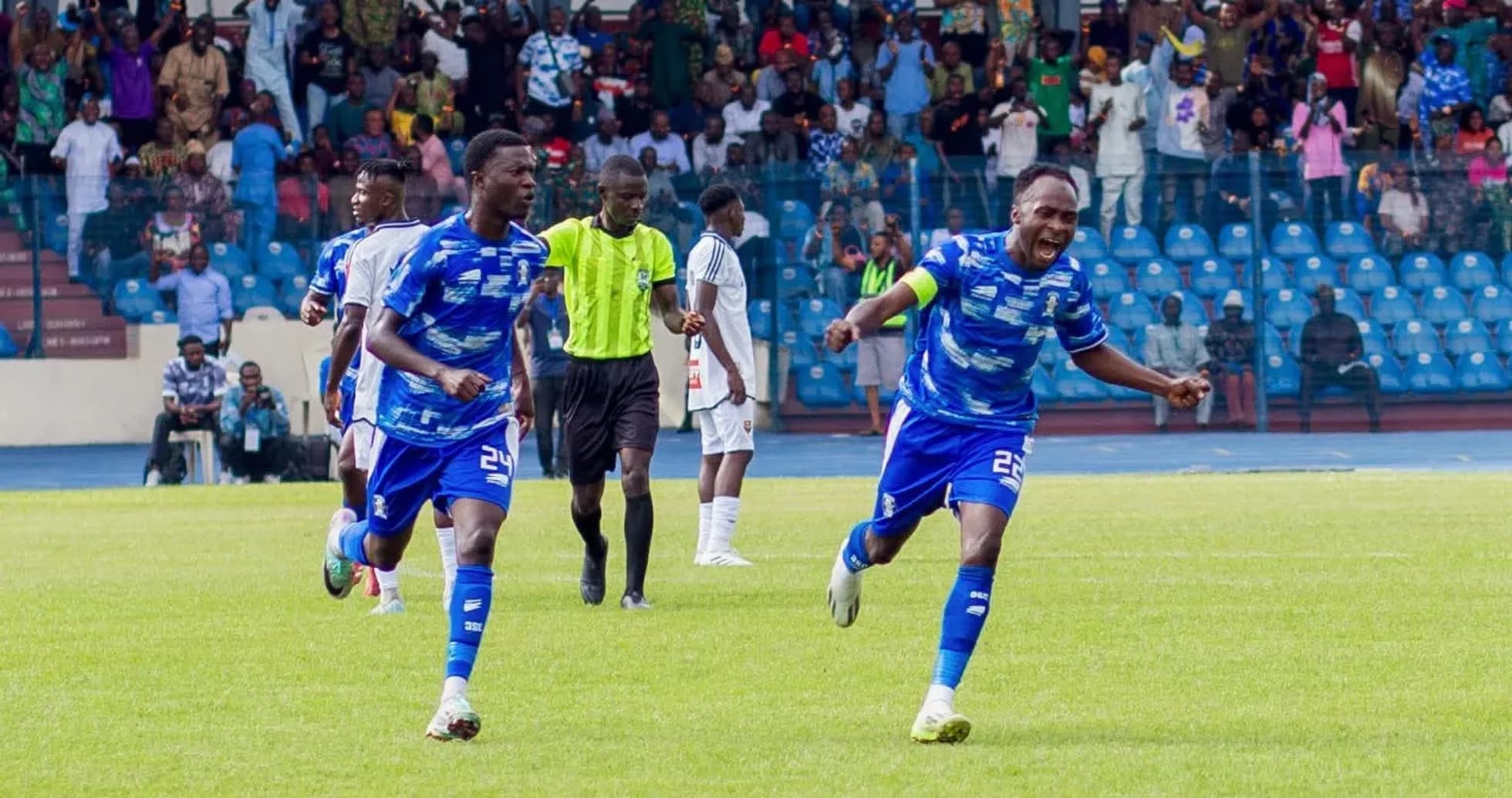
In the end, the 1-1 full‑time scoreline at Lafia Township Stadium felt like the natural meeting point of these trends: Nasarawa’s stubborn home resilience blunting, but not silencing, a Rivers United attack that has already proved it belongs near the top of the NPFL table. For Rivers, it was another point on their travels that keeps their early promotion push intact. For Nasarawa, it was further proof that in Lafia, at least, they are a difficult proposition – and that if they can export some of that defensive control onto their travels, the story of their season could yet bend upwards.