Newcastle United's Transformative Summer: The Arrival of Matias Fernandez-Pardo
By the time Matias Fernandez-Pardo finally walked through the door at Newcastle United, the story of their summer was already written in bold, jagged lines.
This was no routine deadline-day tidy-up. Newcastle had chased the Belgian forward from the moment the window creaked open, only to be dragged into a drawn-out, delicate negotiation with Lille that went right to the wire. The deal was complex, the timing tight, the pressure obvious.
And then came the twist.
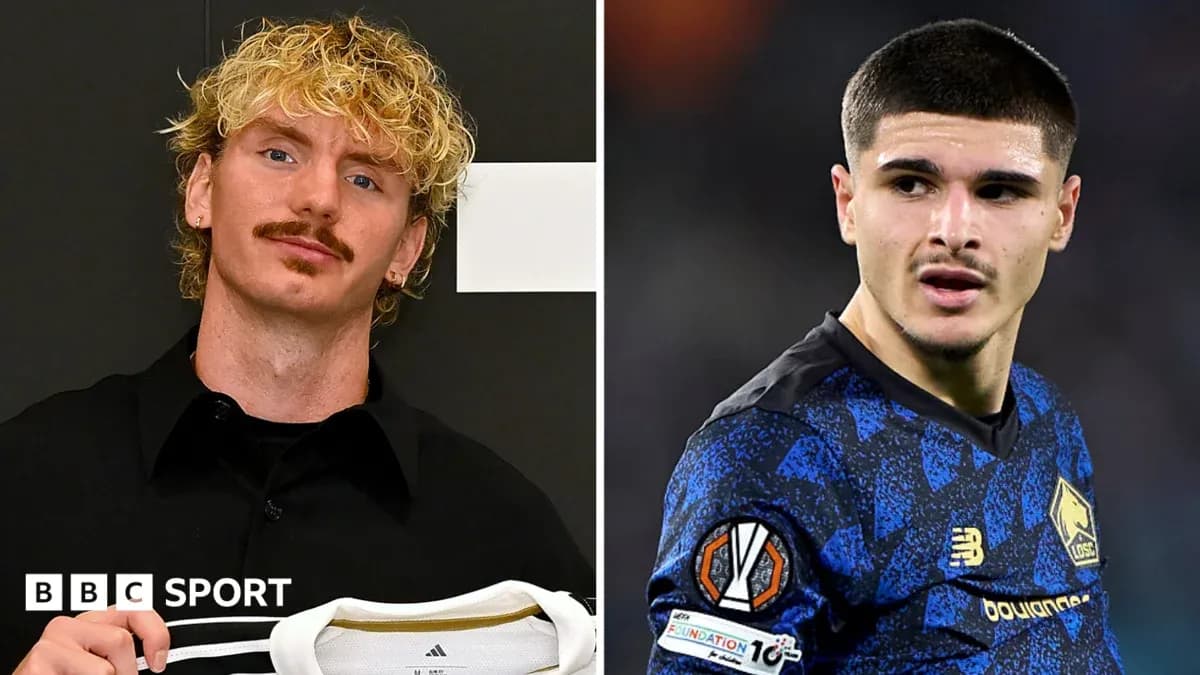
On the same afternoon the club unveiled the rapid, 21-year-old Fernandez-Pardo, their towering club-record signing Nick Woltemade was packing his bags for Juventus, sealing a loan move just a year after arriving on Tyneside. Two very different forwards, two very different futures, crossing paths on the final day of a window that ripped up the recent script at St James’ Park.
This was not just a squad refresh. It was a reset.
A summer that changed everything
The upheaval started at the top. Eddie Howe, the man who had guided Newcastle back into the Champions League and reconnected the club with its fanbase, stepped down in July. In his place came Matthias Jaissle, appointed only weeks before the new campaign, tasked with steering a club still learning to live with expectation as well as ambition.
On the pitch, the core of the side was dismantled. Captain Bruno Guimaraes, the heartbeat of Newcastle’s midfield and the symbol of their resurgence, joined a handful of key departures. Eight new signings came in. Club records for both spending and sales in a single window were smashed. The squad that emerged at the end of August looked very different to the one that had stumbled to 12th the previous season.
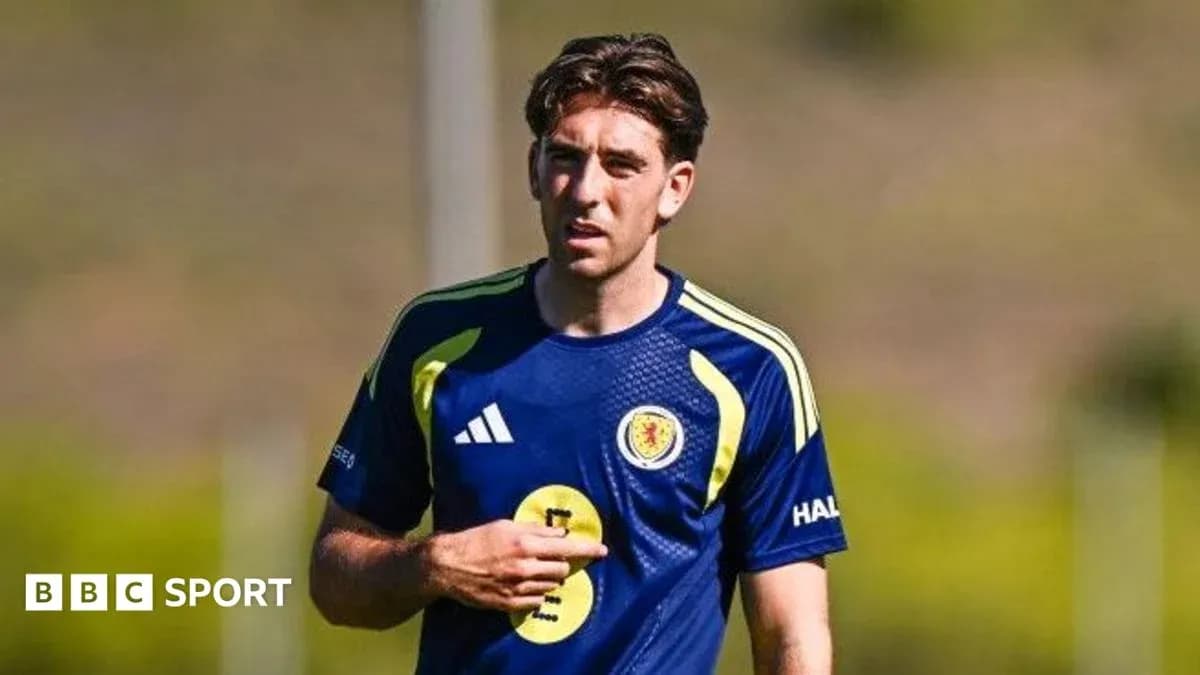
The shake-up had been coming. The first warning arrived in April, when Newcastle announced Kieran Trippier would leave at the end of his contract. At 34, the right-back was edging into the final years of his career, but his influence had stretched far beyond the pitch.
"It was emotional for me, of course, because I loved the club so much and Newcastle gave me so much in return," the former England international reflected later, after joining Wolves. "I'll always follow the club and want them to do well but, as a footballer, sometimes, you have to move on. With the utmost respect, I think it was the right time for both the club and myself.
"As I've always said, I wanted to leave in the right manner and show respect to my team-mates, the club and, most importantly, the supporters, who I have a great relationship with."
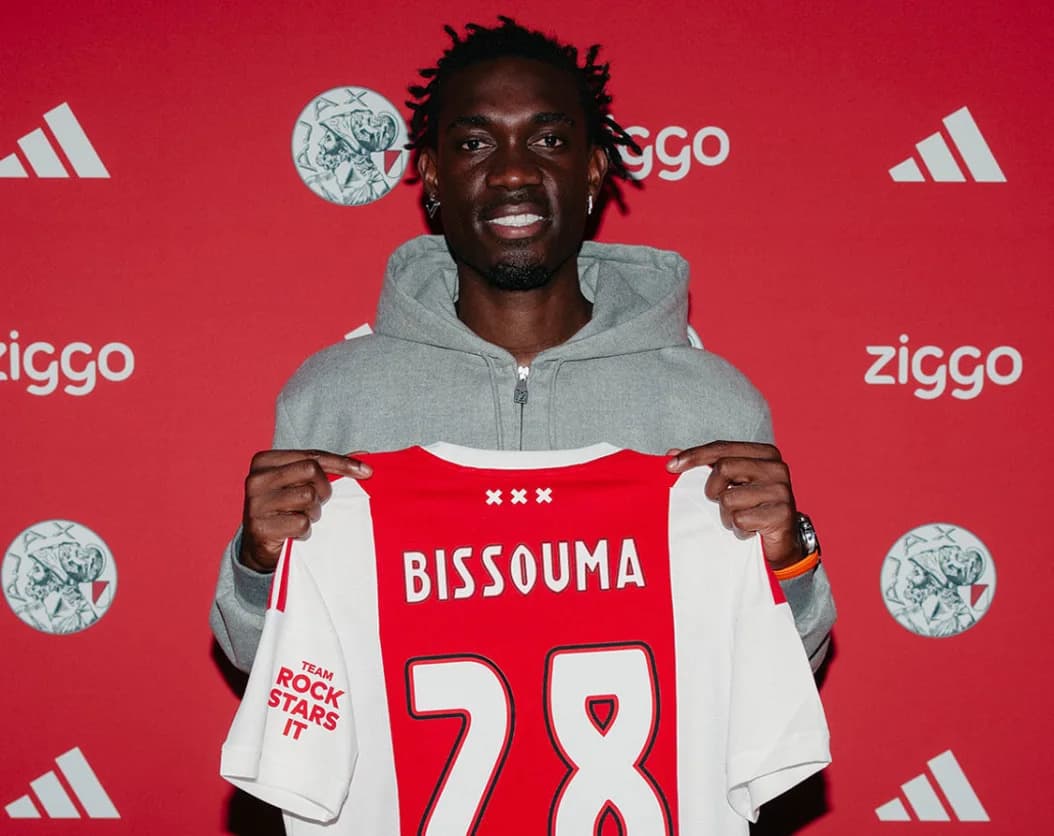
Trippier’s exit set the tone. Anthony Gordon to Barcelona. Sandro Tonali to Tottenham. None of those moves stunned the hierarchy. They were painful, but they helped Newcastle stay inside financial rules and reinvest.
Bruno was different.
The moment everything cracked
Inside the club, nobody had seriously planned for Guimaraes leaving. He had dragged Newcastle through difficult spells before, often on sheer will. Yet even he eventually buckled.
On the final day of last season, in a bruising defeat at Fulham, the midfielder slumped to the turf, unfastened his boots before the physio could reach him and stared at the bench, signalling to come off. It was a raw, human moment that cut through the noise.
If one image captured a draining domestic campaign, that was it: a side that had pushed its limits, only to finish 12th, miles below the projections of a board that had built its business plan around European football and the revenue that comes with it.
The idea of Guimaraes signing a new deal quickly evaporated. Those involved in his subsequent £75m move to Arsenal never entertained it. After losing Alexander Isak to Liverpool the previous summer, Newcastle had now sold a fourth key player in less than a year.
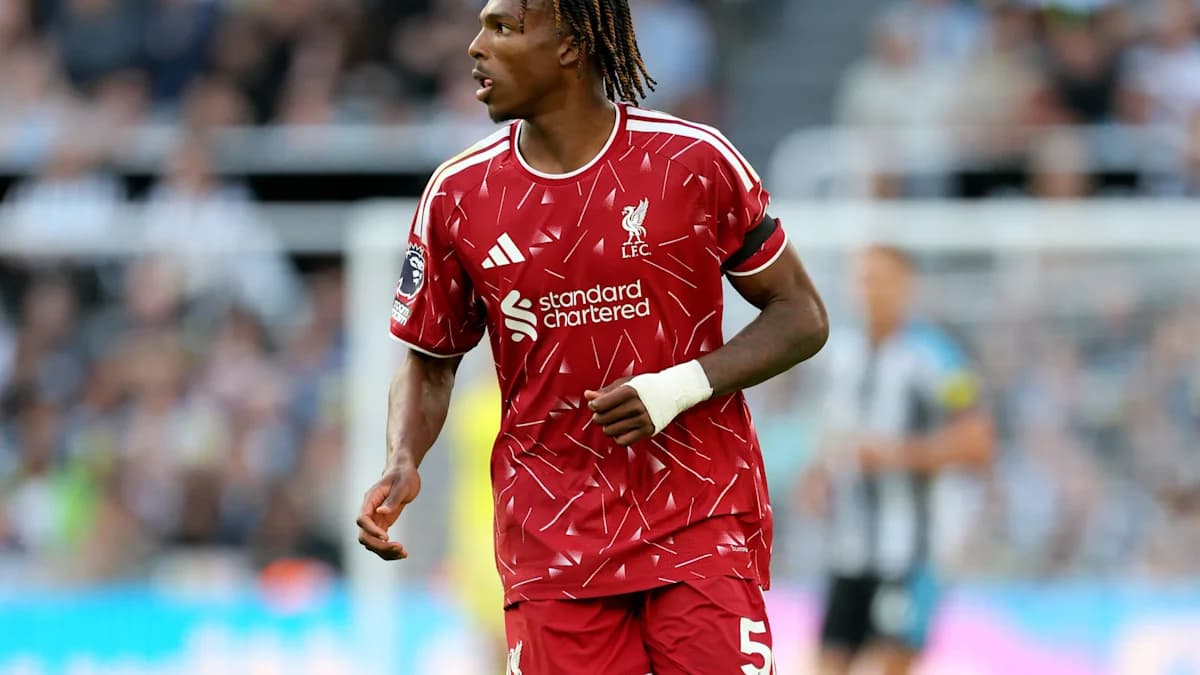
They also lost transfer battles. Top targets Victor Munoz and Johan Manzambi chose Liverpool and Aston Villa instead. From the outside, it looked like a project unravelling.
Inside the building, the message was different.
"Just because one element doesn't go the way you want doesn't mean you abandon the plan," a senior figure insisted. "We stayed on target, stayed focused, stayed calm and moved on. We didn't do a whole lot of mourning or crying when we had a setback.
"We pivoted to what's next."
The late surge
What came next was decisive. The final fortnight of the window brought three signings who changed the mood as much as they changed the team: defender Amar Dedic, midfielder Nico Gonzalez and forward Matias Fernandez-Pardo.
Their impact was measured not just in names on a team sheet but in performances. A breathless 2-2 draw against Liverpool. A composed, clinical 2-0 win away at Tottenham Hotspur. Those games didn’t just bank points; they rewrote the narrative.
Season-ticket holder Adam Widdrington felt the shift.
"Plenty of pundits and other fans had Newcastle earmarked for relegation," he said. "They said, 'Who's the manager? Never heard of him. Who are these young players? You have lost a load of players'.
"I still wouldn't class it as a great transfer window, but I think it's a good one, especially given the context of where it looked like Newcastle were heading in that Bruno dip.
"At that point, it didn't feel like there was so much to inspire the fans, but the last three signings shifted opinion a lot."
The mood music changed. So did the style.
A team built to run
Newcastle opened the Premier League season by recording the most sprints of any side on the first weekend: 138 in total. That number matters, because it speaks to what Jaissle wants this team to be – aggressive, vertical, relentless.
Fernandez-Pardo fits that identity. Jaissle has already highlighted the forward’s "explosiveness", a quality Newcastle lacked up front despite Woltemade’s impressive early months last season. The German’s size and work rate offered a focal point, but not the raw pace to stretch defences in behind.
Now they have a runner. A 21-year-old who will be asked to press, chase and break lines in a league that punishes hesitation.
He will need to adapt quickly. There will be rough days as well as electric ones, not just for him but for a squad that has been deliberately tilted towards youth. Newcastle have gambled on energy and upside rather than experience and guarantees.
Jaissle, though, has never sounded daunted.
"We always have hope and belief," he said before a ball was kicked this season. "No one can take that away from us."
The window that ended with Fernandez-Pardo’s arrival may have stripped away some of the familiar faces that built Newcastle’s recent rise. It has also left them with something harder to quantify but impossible to ignore: a new identity, forged in risk, speed and stubborn conviction that this is the right path.
Now comes the real test – whether that belief holds when the sprint turns into a marathon.