Newcastle United's Transition: Planning for Life After Eddie Howe
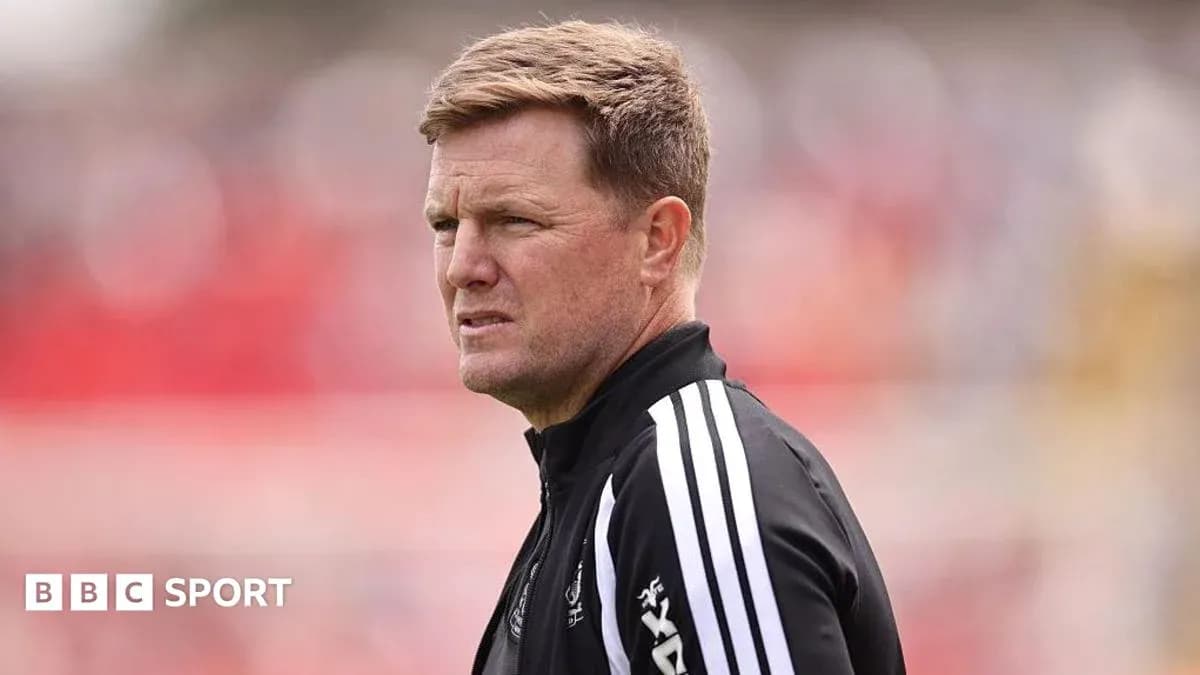
Newcastle United had been braced for Eddie Howe’s exit for the best part of nine months – even as he planned to lead them into this season.
Sporting director Ross Wilson has revealed that the club’s hierarchy ran a quiet, long-term succession process behind the scenes, aware that an “exceptionally talented” coach like Howe was always likely to move on or step away at some point.
In the end, it was Howe who called time. Drained after nearly five years in charge and a summer of upheaval, he chose in July to step down and take a break, believing it was best for everyone.
Newcastle, though, insist they were not caught cold.
Planning for life after a “legend”
“It was not chaotic, it was not painful,” Wilson said, rejecting any suggestion of a scramble. The club, he explained, had a contingency in place that ultimately led them to Matthias Jaissle.
“We always knew where we were going to go,” he added. “That doesn’t mean we were always going to Matthias, but he was always part of our planning.”
Wilson, appointed in October, said he had been “planning for a managerial change for eight or nine of those months” in the background, even as Howe continued on the touchline and through a summer in which several key players left.
Newcastle spoke to multiple candidates. Jaissle emerged as the preferred option to follow a man Wilson openly called a “legend of the club”.
The criteria were clear. The next head coach had to build on Howe’s foundations, not rip them up: aggressive, high-pressing football, a front-foot identity, and a track record of improving young players.
Jaissle ticked those boxes. His work at Red Bull Salzburg, where he developed younger talent, dovetailed with Newcastle’s recruitment model of targeting signings aged 24 and under. His recent spell at Al-Ahli in the Saudi Pro League added another layer of experience at a high-pressure club.
The first meeting between Wilson and Jaissle proved decisive. When Wilson debriefed Newcastle chief executive David Hopkinson afterwards, the response was instant.
Hopkinson told him he sounded “really excited about this one”.
“I didn’t deliberately go on the phone to do that,” Wilson recalled. “But I remember saying, ‘you’re probably right. I think this is it’.”
Jaissle’s unbeaten start and a squad in flux
So far, the early signs are encouraging. Jaissle remains unbeaten in his first four games in charge in all competitions.
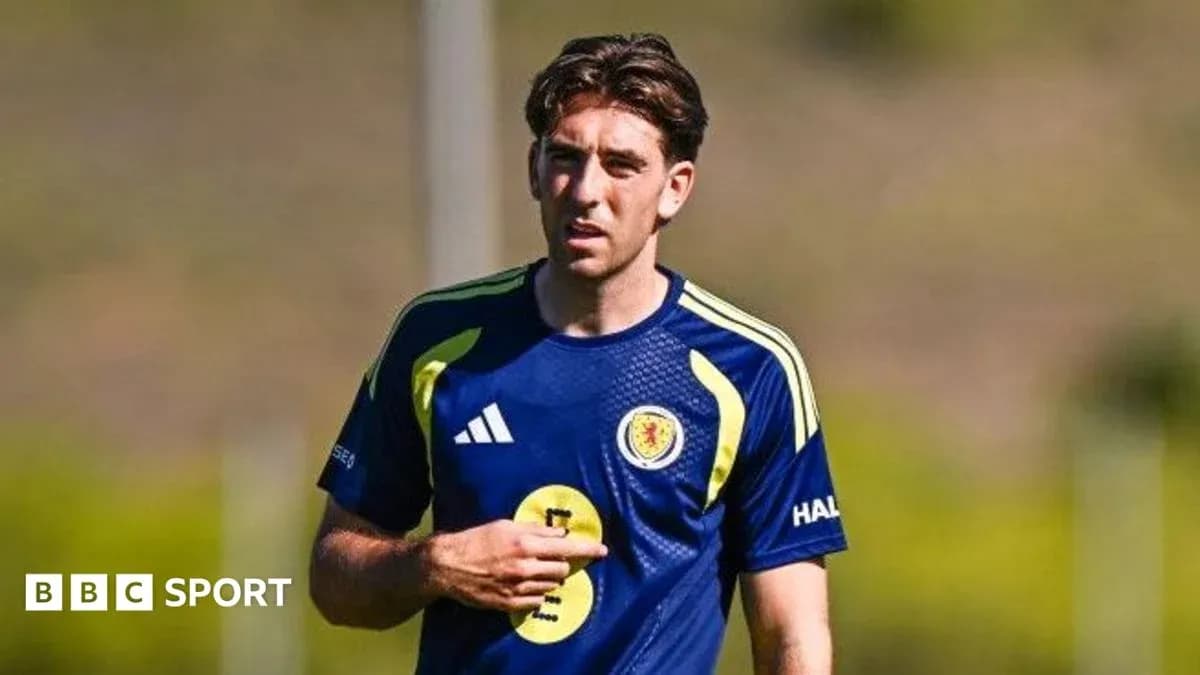
But the 2-2 draw with Bournemouth underlined how much work lies ahead. Only three of Newcastle’s eight summer signings – Lukas Hornicek, Amar Dedic and Nico Gonzalez – started that match.
It felt like a snapshot of the “transition phase” Jaissle keeps referring to. New faces, new demands, the same high expectations.
Not every arrival will slot in immediately. Not every departure was fully in the script either.
Targets, money and a changing squad
Newcastle have mapped out several financial scenarios for this season, depending on where they finish. Wilson stressed that Jaissle has not been handed a hard, numerical target for the campaign.
The long-term aim, Hopkinson reiterated, is bolder: to “consistently and credibly compete” for top honours.
To do that, the club knows it must walk a tightrope. After entering into a Uefa settlement for breaching European football’s financial rules, Newcastle cannot afford another misstep. Compliance with the game’s regulations now shapes every major decision.
Revenue needs to grow. The Magpies have set out to increase it by 50% between now and 2030, driven largely by sponsorship. Even then, player trading will remain central to how they operate and reinvest.
“We want to have players here who are on a journey with us,” Wilson said.
“Equally, if some of those players’ journeys go at rapid speed, they might go somewhere else but, of course, that’s normal. That’s part of football.”
Some exits were baked into the plan. Newcastle had prepared for Anthony Gordon’s move to Barcelona and Sandro Tonali’s switch to Tottenham Hotspur.
One, though, was never in the script.
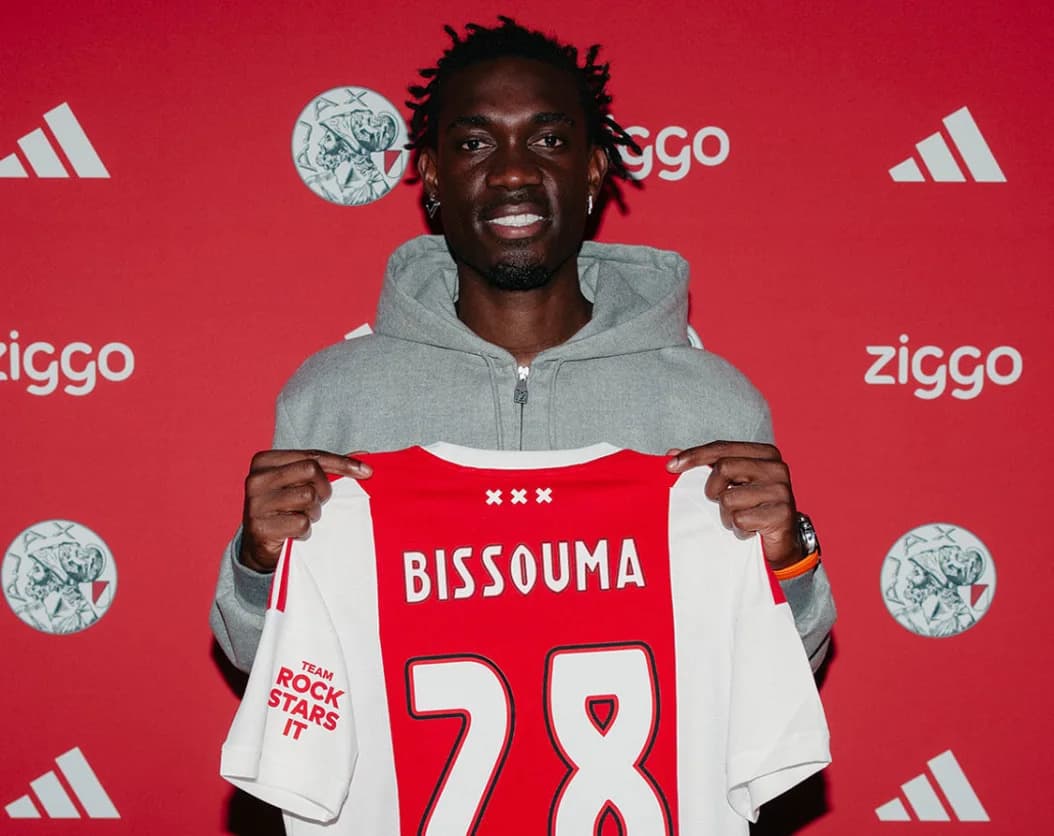
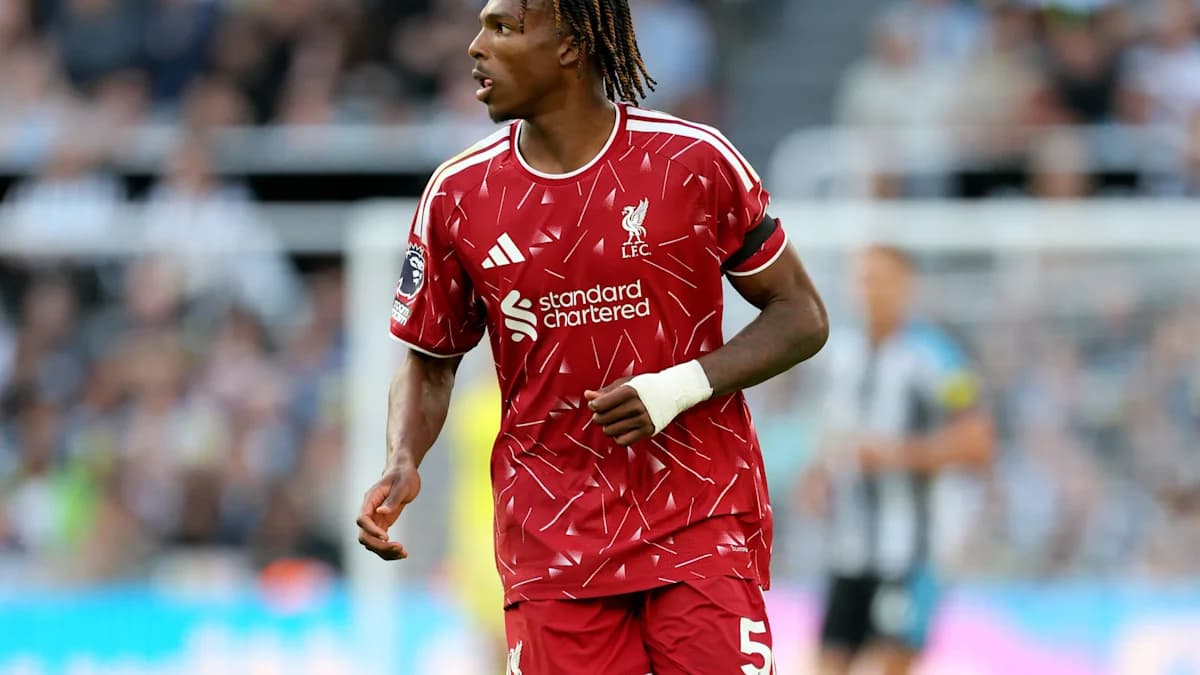
The club had not planned to lose talisman Bruno Guimaraes, who joined Arsenal. His departure forced a late rethink in a window where top targets Victor Munoz and Johan Manzambi also slipped away to Liverpool and Aston Villa respectively.
Wilson admitted disappointment, but insisted the broader strategy held.
Aside from Guimaraes’ exit, “everything else that happened during the window was part of the plan,” he said. That did not mean every signing was the first name on their list – but that, he argued, is the reality of the market.
“No club goes into the window and reaches the end getting every target they set out to get. If they say they did, it is a lie.”
Newcastle now move forward with a new coach, a reshaped squad and an ownership group demanding progress within strict financial lines. The planning has been meticulous; the margins will be thin. How far can careful preparation carry a club determined to live among the game’s elite?