Plateau United's Comeback Victory Over Shooting Stars
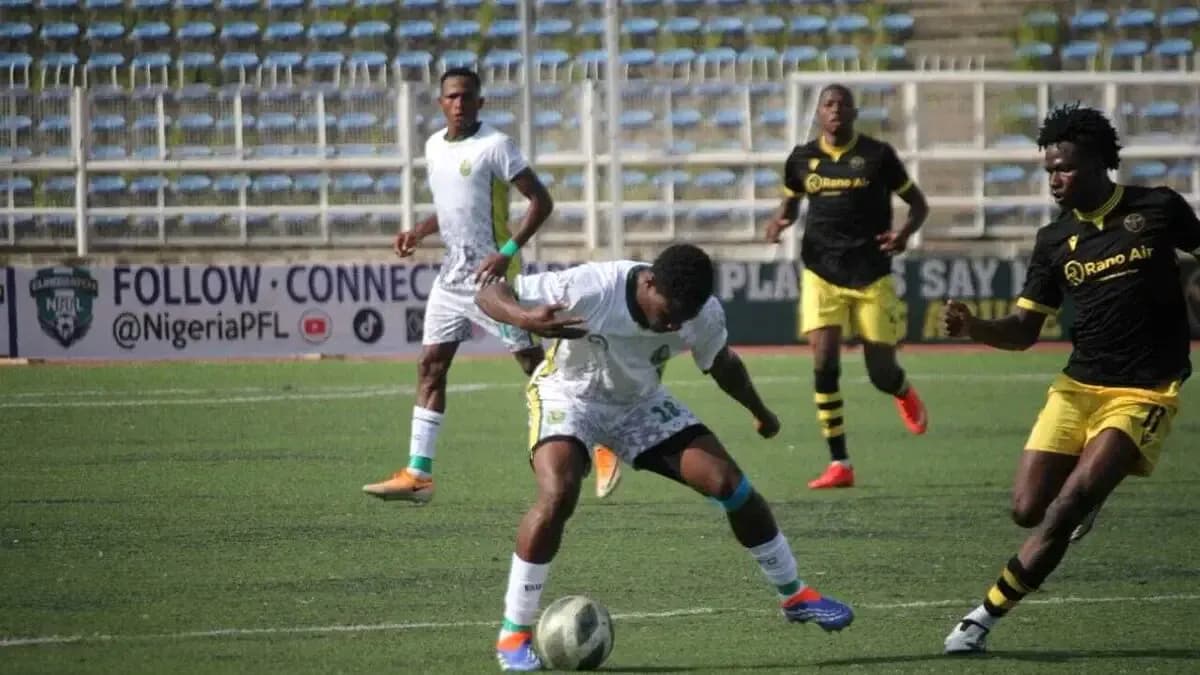
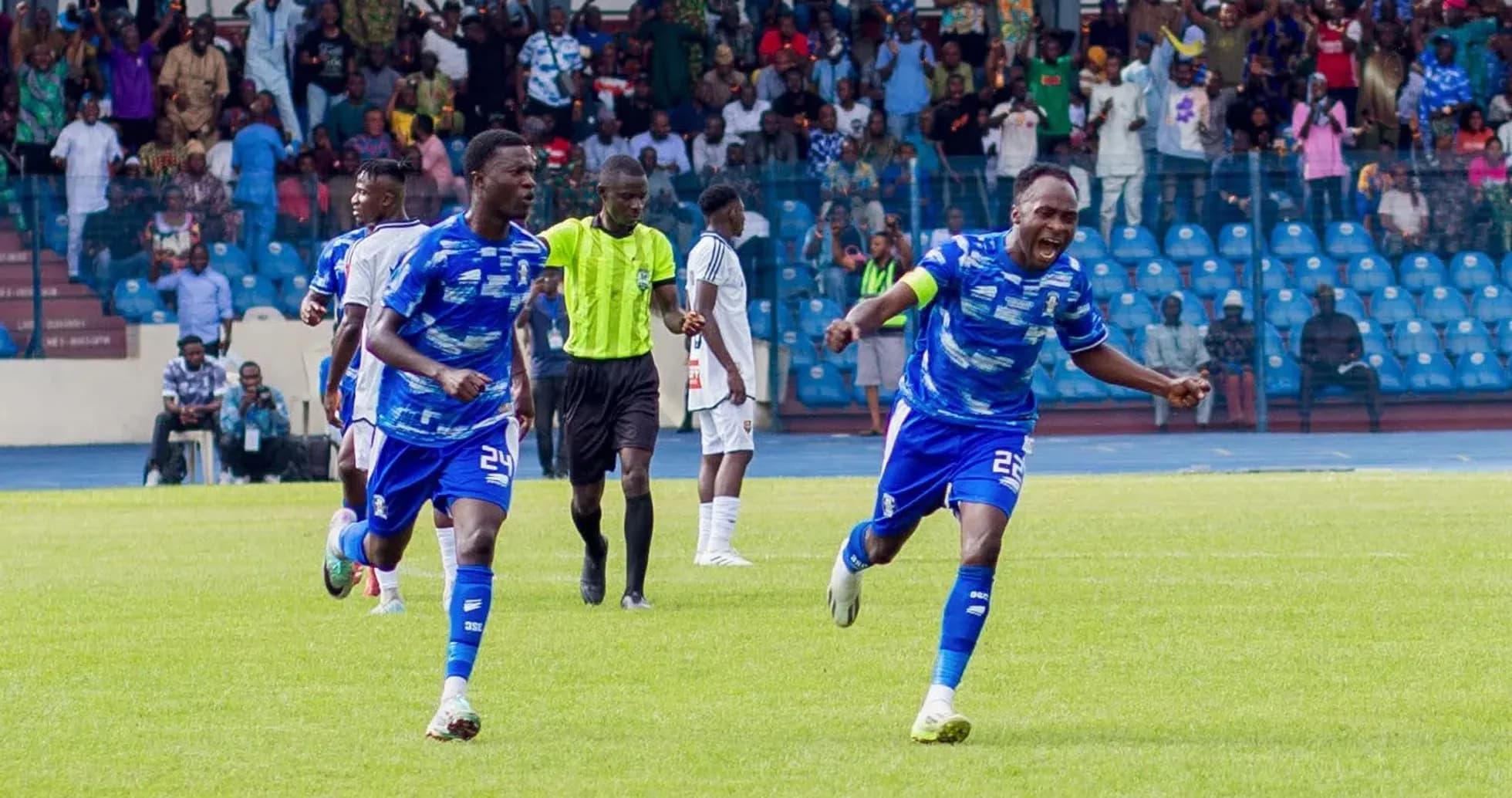
Under the late afternoon light at Rwang Pam Stadium, Plateau United turned a precarious start into a statement win, overturning a 0–1 half-time deficit to beat Shooting Stars 3–1 in NPFL Regular Season - 4. It was a result that underlined their growing authority at home and exposed familiar defensive frailties in the visitors.
Heading into this game, Plateau United’s season had a clear split personality. Overall they had taken 7 points from 4 matches, sitting 6th with a goal difference of +1, built on 5 goals scored and 4 conceded. The pattern was stark: at home they were perfect, with 2 wins from 2, 4 goals scored and just 1 conceded; on their travels, they were winless, with only 1 goal scored and 3 conceded. Rwang Pam was becoming a fortress, and this comeback only hardened that image.
Shooting Stars arrived from the opposite direction: 15th in the table, 3 points from 2 matches, and a goal difference of -1 from 3 goals for and 4 against. Their profile was volatile rather than stable. At home they had edged a 2–1 win, but away they had already suffered a 3–1 defeat. Conceding 3 goals away again in Jos confirmed that their defensive structure on their travels remains their biggest tactical concern.
Sola Adegun’s Plateau United XI felt like a group built for control and late pressure rather than early chaos. O. Okiemute anchored them from the back, with I. Utin and M. Andrew among those tasked with stabilising the defensive line. In front, the trio of D. Ojo (shirt 10), S. Nenrot (8), and S. Jackson (17) provided the creative and running power between the lines, while J. Ibrahim and D. Isaiah offered presence and penetration higher up.
On the bench, Adegun had options that could alter the game’s rhythm rather than just plug gaps. P. Samson (7) and M. Wisdom (14) looked like natural candidates to raise the tempo or add directness if Plateau United needed to chase the game. Defensively, players like R. Aniako (3) and V. Tchadienne (4) gave him the flexibility to lock things down late if they were protecting a lead.
Shooting Stars’ starting side carried a slightly different tone: compact, industrious, but vulnerable once stretched. E. Godgift in goal was shielded by a back line including D. Sholumade (5), D. Ojietefian (4), and G. Adelowo (23), with J. Amusat (29) adding width and energy. In midfield, the likes of O. Akala (6) and I. Falke (22) were charged with both protecting the defence and connecting to the front line of L. Emmanuel (14) and S. Ibrahim (27).
From the bench, Shooting Stars had attacking sparks in J. Atule (10), Ridwan (11), and D. Akinola (37), but the tactical question was always whether they could afford to open up the game without being torn apart at the back. Their season data painted a worrying picture: on their travels they had already conceded 3 goals once, and their away average of 3.0 goals conceded per match underlined how fragile they become when forced to defend deep for long stretches.
The disciplinary and psychological subtext of this fixture was just as important as the tactical shapes. Plateau United’s season card profile shows that their aggression ramps up as the match wears on: 42.86% of their yellow cards have come between 61–75 minutes, with another 28.57% in the final 76–90 stretch. They are a side that grows more combative as the tension rises, a trait that can either fuel comebacks or invite danger.
Shooting Stars, by contrast, carry a different kind of risk. They have already seen a red card this season, with 100.00% of their dismissals coming between 76–90 minutes. Their yellow cards also cluster in the second half, with 50.00% in the 46–60 window and 25.00% late on. Add to that a painful penalty record — 1 penalty awarded in total this campaign, none scored, and 1 missed for a 0% conversion rate — and you have a team that struggles to manage big moments with composure.
This is where the “Hunter vs Shield” dynamic of this match truly tilted. Plateau United at home average 2.0 goals scored per game and only 0.5 conceded. Shooting Stars away average just 1.0 goal scored but 3.0 conceded. The numbers forecast exactly what unfolded: once Plateau United found their rhythm after the break, the visitors’ defensive shield simply could not withstand the sustained pressure.
In midfield, the “Engine Room” battle was decisive. The work rate and ball circulation of players like D. Ojo and S. Nenrot allowed Plateau United to pin Shooting Stars back and force them into longer, more hopeful passes. That, in turn, isolated the visitors’ forwards and left their back line facing wave after wave of attacks without much respite.
Following this result, the broader statistical story tightens rather than changes. Plateau United’s overall scoring rate of 1.3 goals per match and concession rate of 1.0 are now underpinned by the reality that, at home, they are simply more ruthless and more secure than those averages suggest. Shooting Stars, meanwhile, remain a side whose attacking promise is repeatedly undermined by defensive looseness and late-game discipline issues.
From a tactical prognosis perspective, the underlying metrics and trends point in one clear direction. Plateau United’s blend of home solidity, rising intensity in the final third of matches, and balanced goal profile makes them a genuine threat to anyone visiting Jos. Shooting Stars will need more than individual flashes from the likes of L. Emmanuel or S. Ibrahim; they need structural solutions to stop conceding in clusters away from home, and a cooler head in decisive moments, especially from the penalty spot.
Until they find that, fixtures like this — competitive for long spells, but ultimately slipping away — will continue to define their season. Plateau United, by contrast, walk away from this 3–1 win looking exactly like what the numbers say they are at Rwang Pam Stadium: a side that expects to dominate, and usually does.