Police Raid Vasco Forward Correa's Home in Major Investigation
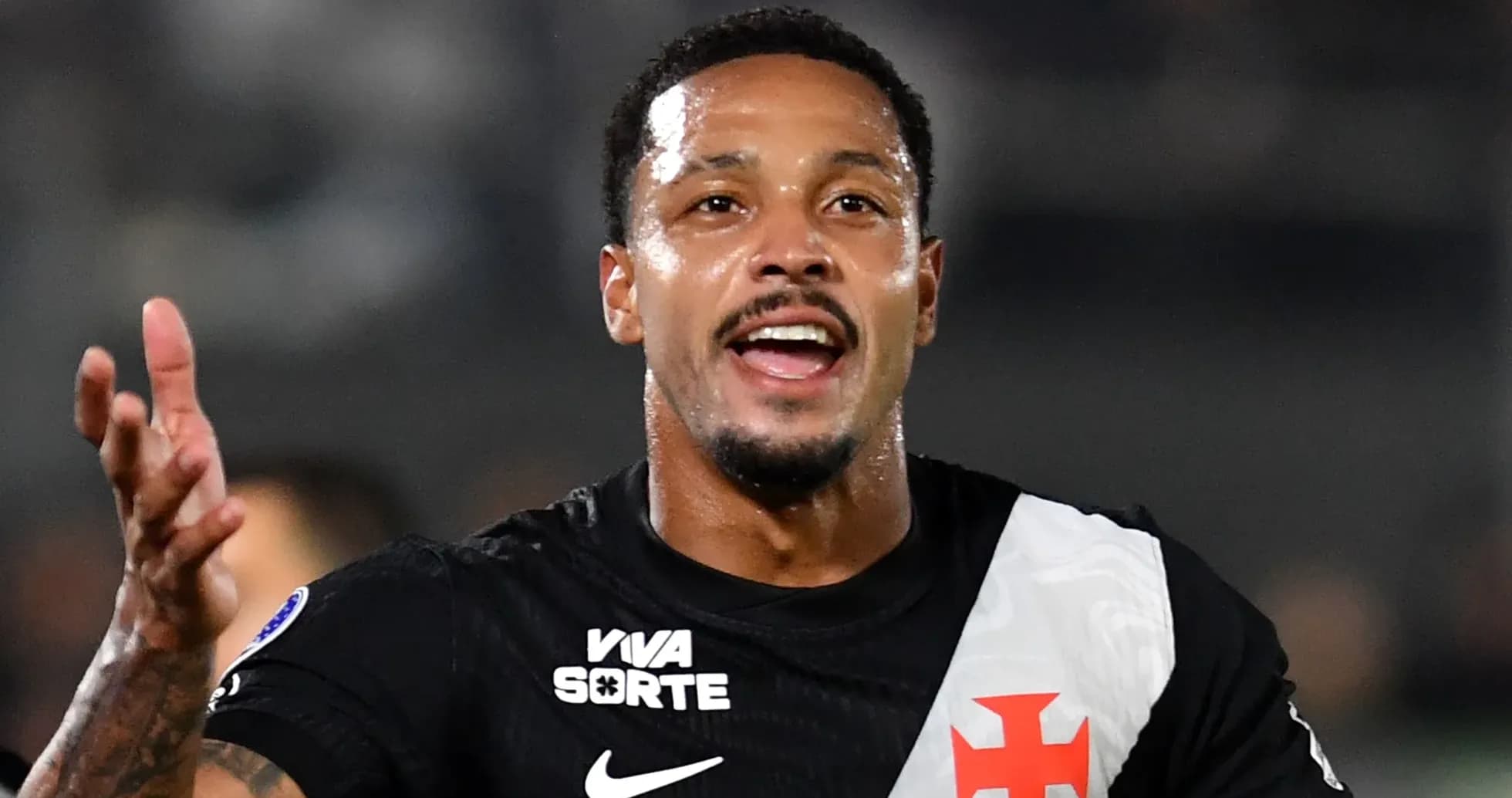
Police raided the home of Vasco forward Correa on Tuesday, sweeping into the upscale Barra da Tijuca district and the club’s training ground in Rio de Janeiro as part of a major criminal investigation.
The operation, codenamed “the troop,” mobilised around 100 officers, according to the Associated Press. They were tasked with executing four arrest warrants and 15 search warrants across multiple states, targeting alleged links between professional footballers and organised trafficking rings. Among those under investigation alongside the 30-year-old forward is Vila Nova right-back Hayner Cordeiro.
In a statement, Espirito Santo police underlined the scale and intent of the raids, saying the investigations aim “to gather elements to clear up crimes and dismantle the criminal structure under investigation.” The inquiry stretches beyond a single club or city, probing potential connections between sport and organised crime networks.
Correa left Vasco’s training centre without speaking to reporters, slipping away as questions mounted over his role in the case and what it might mean for his career.
Inside the club, the message was one of cooperation and continuity. At a press conference, Vasco director Admar Lopes stressed that the hierarchy is “cooperating with authorities” throughout the process. He also confirmed that, for now, nothing changes on the pitch: Correa “will continue training normally in the coming days and be available for matches,” at least until the investigation produces a formal decision.
The timing is striking. Just days earlier, Correa had been the hero, scoring the decisive third goal in Vasco’s 3-1 win over Cruzeiro on Saturday. That strike snapped an eight-match winless run in the Brazilian top flight and briefly eased the pressure on the squad. He has made 21 league appearances this season and, as it stands, remains eligible for upcoming domestic fixtures.
His long-term future, though, no longer depends solely on form, fitness, or tactical plans. It now hangs on what comes next from police in Espirito Santo and Rio de Janeiro — and on how deeply football is found to be entangled in the criminal web they are trying to tear apart.