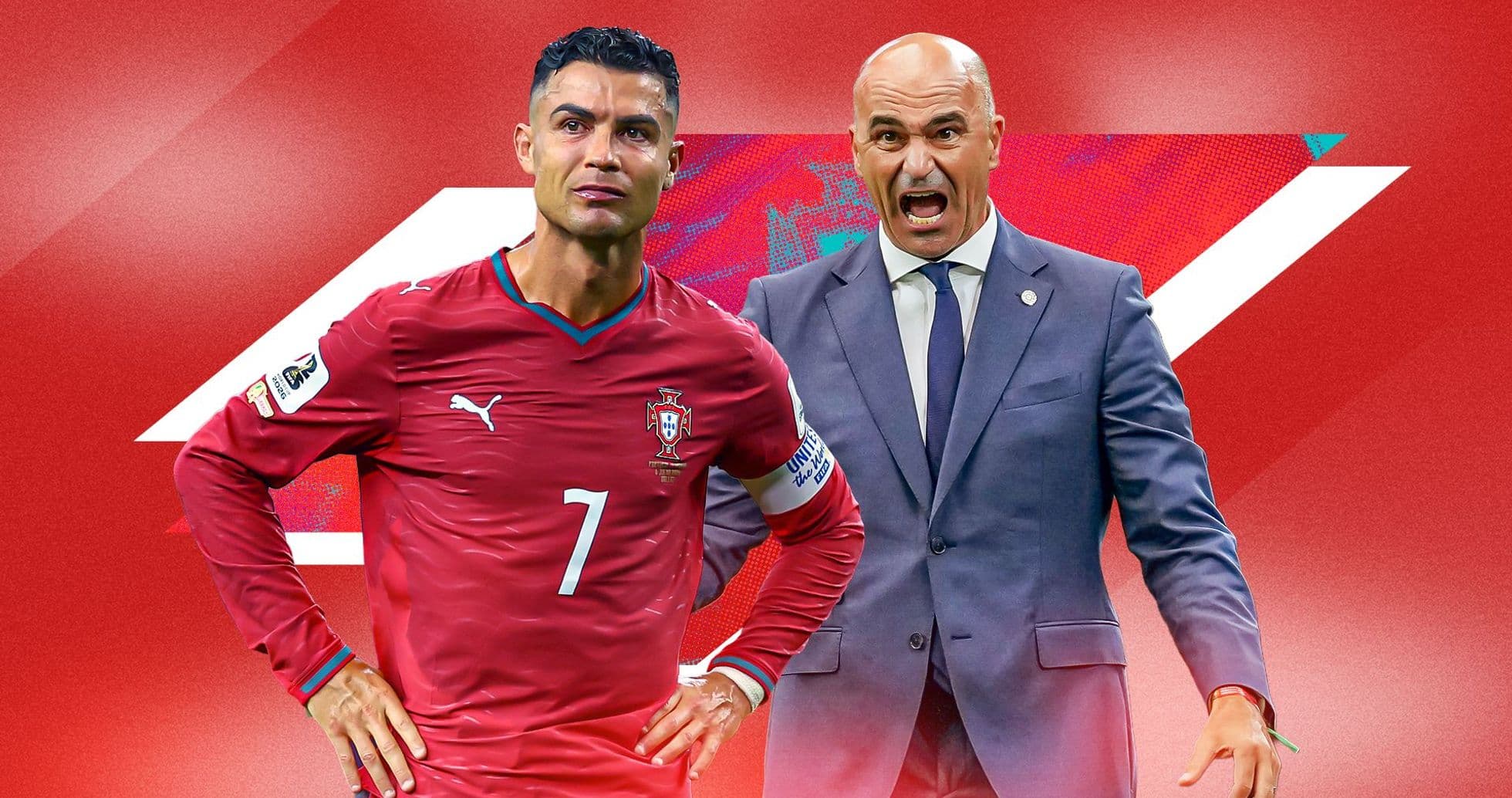
Portugal's World Cup Exit Highlights Missteps with Ronaldo and Martinez
Wayne Rooney called Cristiano Ronaldo's last World Cup appearance a sad day for football. Yet, Spain's straightforward win over a lackluster Portugal, combined with Belgium's dominant display against the United States, made July 6, 2026, an interesting day for the sport. Ronaldo’s journey to a sixth World Cup at 41 years old is undeniably impressive, showcasing his resilience and dedication.
“He is a genius, a superstar,” Rooney said on BBC Sport. “What he has given to football is something very rare. He will be disappointed because he believed he could win this tournament.”
But Ronaldo was not alone in that belief—Roberto Martinez, Portugal’s coach, shared it too. That stubborn loyalty to Ronaldo seems to have cost Portugal dearly, squandering a golden generation’s chance to claim the World Cup.
Martinez’s Choices Spark Criticism
Portugal’s exit in the round of 16 was hardly surprising. The team’s struggles mirrored their disappointing Euro 2024 performance. Martinez’s approach, often summarized as “Ronaldo plus ten others,” never changed. Leaving Goncalo Ramos out of the starting lineup against Spain, despite Ramos’s recent form, symbolized the coach’s unwillingness to deviate from his plan.
Ramos had scored a late winner against Croatia after coming off the bench, yet Martinez stuck with Ronaldo as the focal point, ignoring signs that the veteran forward was past his peak. The disastrous Euro 2024 campaign, where Ronaldo took 23 shots without scoring, should have been a clear signal for change. Instead, Martinez remained in charge and the World Cup woes followed.
Portugal's Struggles on the Global Stage
The team’s group stage was uneven. A goalless draw with DR Congo set a concerning tone. Ronaldo’s two goals against Uzbekistan gave fans hope, but his impact faded quickly, especially during a weak showing against Colombia. A penalty goal against Croatia marked his first knockout-stage World Cup goal ever, yet his limited presence in the box forced Martinez to substitute him late in the match. Ramos’s stunning header saved Portugal from extra time, highlighting who really deserved the spotlight.
“I am not going to be more Cristiano Ronaldo or less because I win the World Cup,” Ronaldo said defensively amid calls for retirement. “Whatever happens tomorrow, I will leave with a clear conscience… You have been trying to kill me for the past 23 years.”
Ronaldo's response reveals why he felt entitled to continue. His status as one of football’s greatest scorers remains unquestioned, but his final years in international play overshadowed his legacy. Instead of being the hero, he became a liability on the pitch.
A Team Held Back by Loyalty
Building squads around Ronaldo once made sense. Now, it looked like a burden. Time caught up with him long ago, and the team suffered accordingly. Their inability to reach semifinals in major tournaments since winning Euro 2016 speaks volumes.
Players like Bruno Fernandes did not perform to expectations, but when multiple stars falter, accountability points back to the coaching staff. The talent in this Portugal side was undeniable: Ruben Dias, Nuno Mendes, Vitinha, Joao Neves, and Fernandes are all top players. Yet they failed to find their best form.
Martinez himself admitted the team had what it took to win the World Cup, but his failure to deliver means his tenure lacked purpose. From the start, his focus on pleasing Ronaldo over building a cohesive unit wasted the potential of this generation. Bernardo Silva and others deserved a stronger leader. Ronaldo might have benefited from a reduced role, becoming an impact substitute rather than the centerpiece.
Relief Rather Than Regret
Instead, indulgence turned into embarrassment on football’s biggest stage. Ronaldo's final World Cup wasn’t truly a sad ending for Portugal; it was a release. Despite gratitude for his past contributions, his exit ended an era of misplaced priorities and missed chances.