Premier League's Big Sellers Challenge Monaco's Transfer Record
The Premier League is supposed to be the home of the big spenders. This summer, it has become the home of the big sellers.
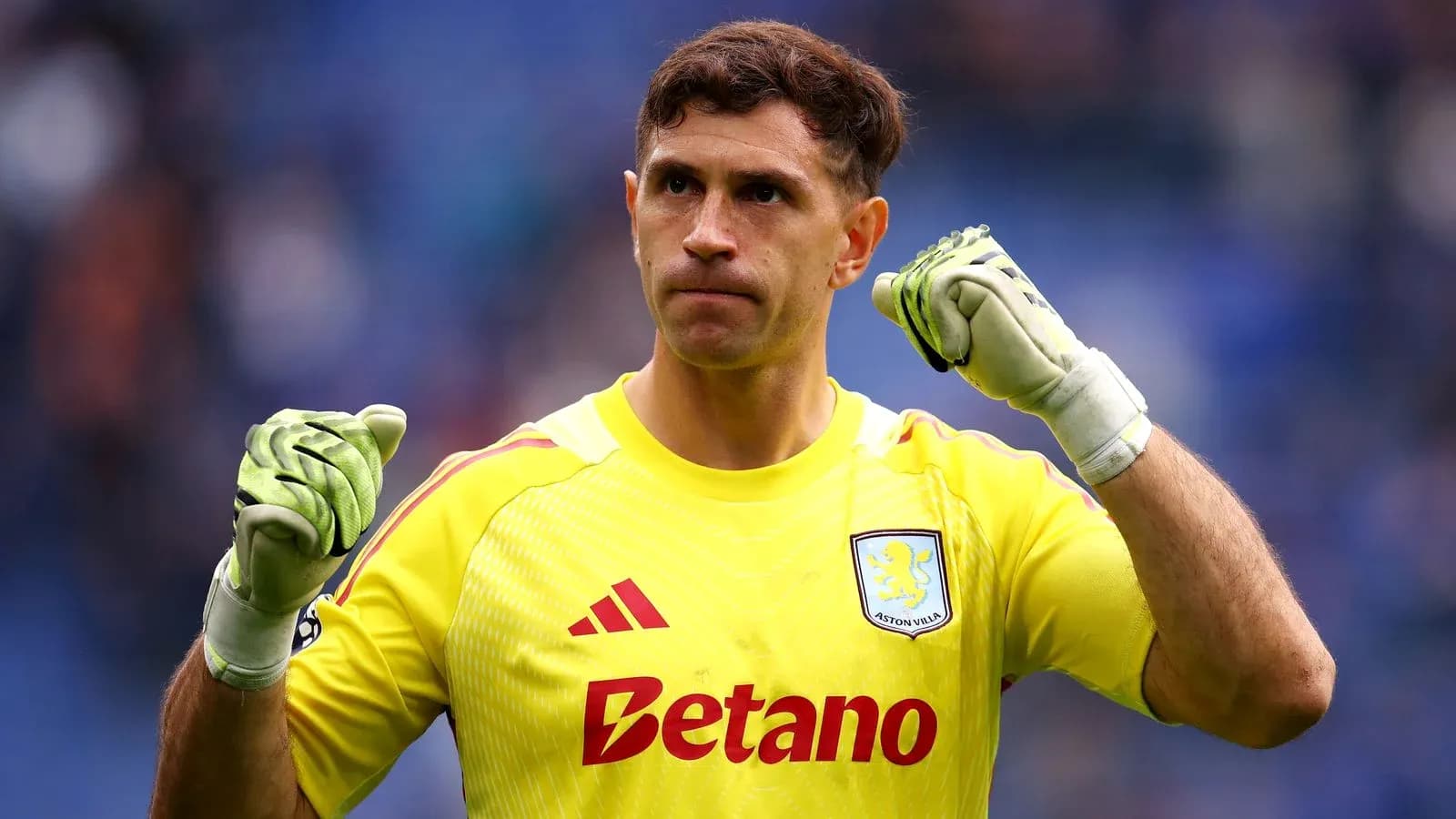
Aston Villa, Manchester City and Newcastle United have all crashed into the all-time top six for transfer income in a single window, and they are now collectively hunting down Monaco’s long-standing benchmark of 360m euros from 2018-19. What was once an outlier season in Ligue 1 is suddenly within range in England.
Back then, Monaco’s figure was powered by seismic exits: Kylian Mbappé to Paris St-Germain for 180m euros, Thomas Lemar to Atletico Madrid for 72m euros, Fabinho to Liverpool for 45m euros. This year, the money is flowing out of the Premier League just as fast.
By 26 August, according to Transfermarkt’s euro-based fees, Villa had generated 293.1m euros (£251m) in sales, City 278.6m euros and Newcastle 275.5m euros. Only Monaco, Chelsea’s 321m euros in 2025-26 and Atletico Madrid’s 314m euros in 2019-20 sit above them in the all-time list.
And the window is still open. The record is wobbling.
Villa cash in – and feel the cost
No one has leaned into the market quite like Aston Villa.
They are the closest to Monaco’s mark, largely because of Morgan Rogers’ £117m (138m euros) move to Chelsea, a single deal that rips a huge chunk out of their squad and drops a huge number into their accounts. Ezri Konsa, Youri Tielemans and Lucas Digne are among the other senior departures that have reshaped Unai Emery’s dressing room.
The numbers are stark. Villa have spent 160.5m euros and brought in 293.1m euros, leaving them 132.6m euros in profit on transfers and sitting on the strongest positive balance in the Premier League this summer.
All of this has played out under financial strain. In June, Uefa fined Villa 22.5m euros for a significant breach of its squad-cost rule for 2025. Fifteen million of that is suspended, dependent on Villa continuing to drive down their squad-cost ratio during 2026. The message was clear: sell, streamline, reset.
The footballing impact hit immediately. On the opening weekend, a Brighton side used to living with churn tore into Emery’s new-look team, winning 4-0. Gary Neville said Villa looked like they had their “heart ripped out”, highlighting the loss of experience with Rogers, Tielemans and Konsa gone. On the evidence of that afternoon, it was hard to argue.
And the surgery might not be over.
Saudi Pro League side Al-Hilal have made repeated attempts to prise away Ollie Watkins. Villa have reportedly turned down an offer worth around 52m euros, but Emery has already admitted the England striker could leave if the price is right. For now, the two clubs are apart on valuation. If that gap closes, Villa’s income could surge again and Monaco’s record would come under direct assault from Birmingham.
City sell big while rebuilding the middle
Manchester City, usually the symbol of relentless spending, have quietly turned into one of the market’s most ruthless sellers.
Their position shifted again with the midweek arrival of Ayyoub Bouaddi. By that point, City had already banked 278.5m euros from exits, with Savio, Tijjani Reijnders, Rodri, James Trafford, Manuel Akanji and Nathan Ake among those to move on.
Bouaddi’s signing nudged their spending to 273.7m euros. Even with a major midfield rebuild under way, City still sit on a small positive transfer balance of 4.8m euros. For a club of their scale, that is remarkable.
And the story is far from finished. Tottenham have agreed a loan for Omar Marmoush that becomes permanent for £60m (58m euros) next summer, a fee that will land in City’s 2027-28 accounts rather than this season’s. That deal is already baked into their future income.
There is more potential movement. Nico Gonzalez is expected to leave. Jack Grealish could yet follow. He spent last season on loan at Everton, who remain keen, but the winger has seen Enzo Maresca’s arrival in place of Pep Guardiola as a chance to reset his City career. His contract runs until June 2027, so City hold the leverage.
If Gonzalez goes permanently, and if Grealish is sacrificed as well, City’s 2026-27 income could jump again. All while they continue to reshape the core of their team.
Elliot Anderson has already arrived from Nottingham Forest for 135m euros, a headline deal in their midfield rebuild. Interest in Chelsea’s Enzo Fernandez remains. Selling well is not a side note to City’s project this summer; it is what makes this level of reinvestment possible.
Brighton’s slow burn profit
While Villa and City chase Monaco in one explosive window, Brighton’s numbers tell a different kind of story.
Over the past five seasons, Brighton have spent 665.4m euros and brought in 715.4m euros. That leaves them roughly 50m euros in profit across the period. According to Transfermarkt, they are the only current Premier League club to post a cumulative transfer profit over those five years.
Aston Villa sit closest to breaking even, with an overall balance of -10.02m euros. Everyone else has sunk deeper into the red.
Brighton’s model is clear: sell smart, reinvest, repeat. No single mega-window, no one-off Monaco-style bonanza, just a consistent pattern of developing players, cashing in at the right moment and feeding the money back into the squad.
It is a philosophy that allowed them to dismantle Villa on opening weekend while still banking long-term profit. And it poses an uncomfortable question for the rest of the league: in an era of tightening regulations and record-breaking sales, who will manage to build a winning team without losing their financial nerve?