Premier League Returnees: Coventry City, Ipswich Town, and Hull City
A new Premier League season always brings fresh storylines, but this year the spotlight falls sharply on three very different returnees. Coventry City, Ipswich Town and Hull City have all fought their way back through the grind of the Championship. Now comes the hard part: staying put.
Coventry arrive as champions with momentum and a plan. Ipswich return bruised but rebuilt. Hull? Hull have somehow scrambled from the brink of League One to the top flight in two chaotic, breathless years.
Here’s what to expect from the promoted trio.
Coventry City: Smart, sharp and finally back
Twenty-five years out of the Premier League is a lifetime. Coventry City have treated that exile as a long-term rebuild rather than a sulk, and last season it all snapped into focus.
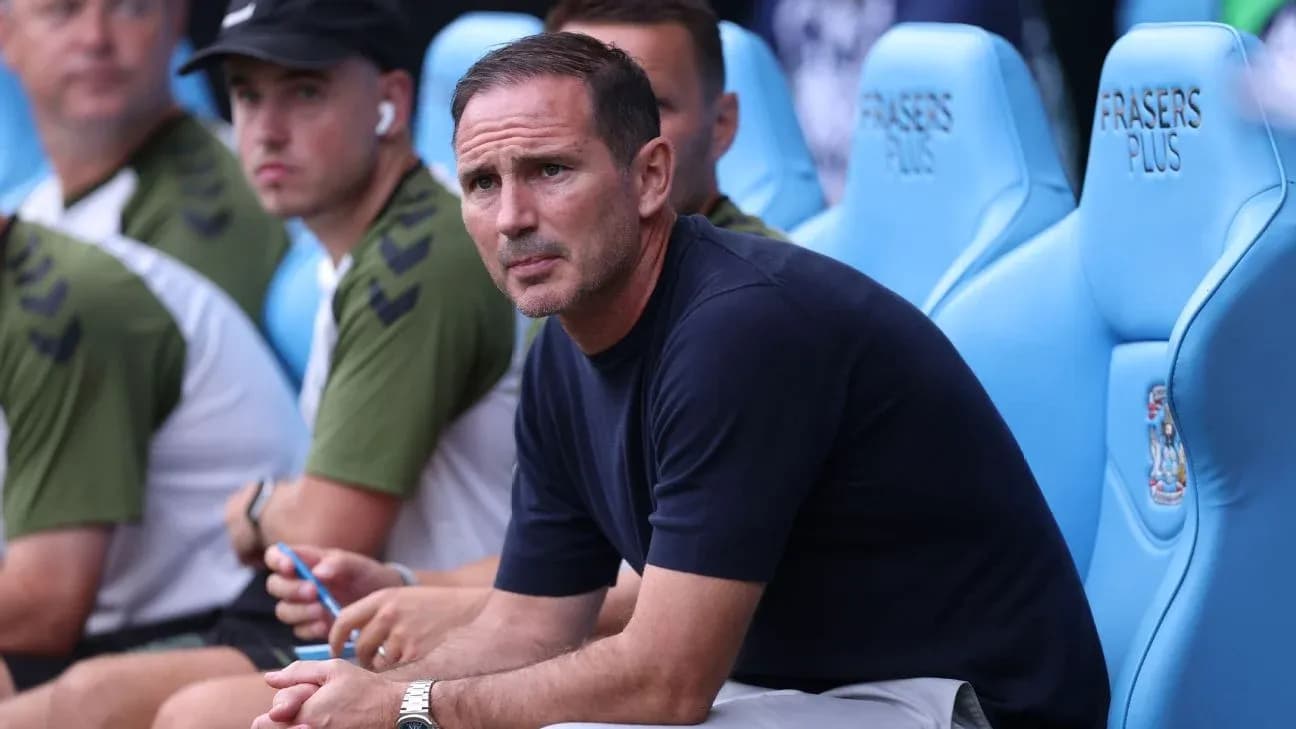
Frank Lampard has been the catalyst. Once the butt of managerial doubt, he has turned Coventry into the most complete side in the Championship. They didn’t just go up; they ripped through the division.
Ninety-seven goals. Only three teams in a 46-game Championship season have ever scored more. At the other end, they conceded just 45, the best defensive record in the league. That balance powered them to the title by 11 points, wrapped up with four games still to play. It wasn’t a sprint finish; it was a procession.
What stood out was how they attacked. This wasn’t a one-man show. Seven players scored at least seven league goals. The ball kept arriving in the box, the shots kept coming. Coventry finished with the most shots on target in the division and ranked second for big chances created. Lampard’s default is a 4-2-3-1, but he has happily flipped to a 4-3-3 when the game demanded it. The idea is simple: front foot, high tempo, waves of pressure.
Amid that organised chaos, Jack Rudoni has quietly become the heartbeat. Seven goals, seven assists last season tell part of the story. The rest is in his movement. He roams, times his late runs, crashes into the box and gives Coventry that extra body defenders hate to track. Championship regulars have long suggested he carried a Premier League sheen. Now he gets the stage to prove it.
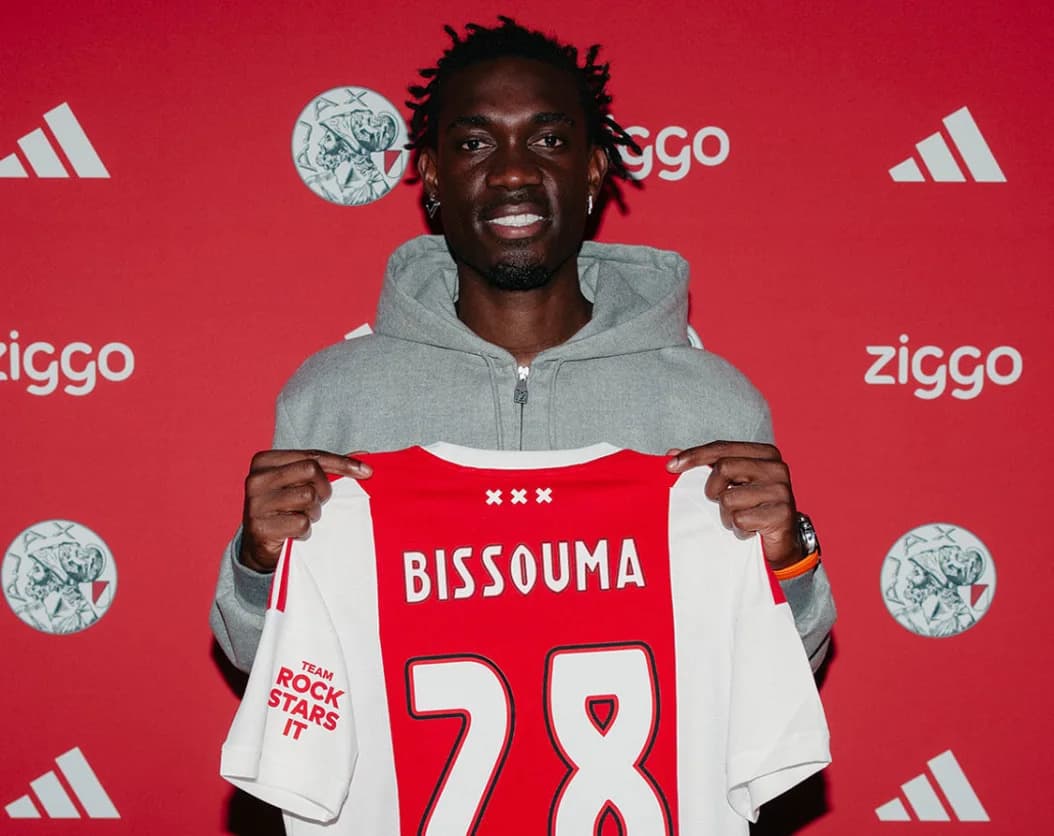
The club’s recruitment team, already one of the sharpest in the second tier, has gone up a gear. Coventry have broken their transfer record three times this summer, the headline deal being Caleb Yirenkyi’s arrival from Nordsjaelland for £23.1 million. Fresh from featuring in all four of Ghana’s World Cup games and scoring against Panama, he arrives as the new anchor in midfield.
Yirenkyi is a No. 6 with bite and purpose. He breaks up play, then drives forward with the ball instead of just recycling it sideways. In a league where promoted teams are often swamped in midfield, his ability to carry attacks from deep could be the difference between hanging on and competing.
Put it all together and Coventry look the most Premier League-ready of the promoted sides. The unity under Lampard is obvious, the structure is clear, and the squad has a depth of contributors rather than a single talisman. Survival will still be a scrap, but if one of the three is going to cling on, Coventry feel the best equipped to do it – even if it’s by the narrowest of margins.
Ipswich Town: Back again, but without their architect
Ipswich Town’s return has a strange feel to it. This is not the wide-eyed newcomer. This is a club that shot up the leagues, hit the Premier League wall, and has come back for another go almost immediately.
The story is well known. Kieran McKenna masterminded back-to-back promotions, then discovered how unforgiving the top flight can be. Ipswich’s first season back ended with just four wins, 22 points and 19th place. They dropped, regrouped and, crucially, did not fall apart.
Last season they leaned on something that had deserted them in the Premier League: defensive control. Seventeen clean sheets, only 47 goals conceded, the second-best defensive record in the Championship. They were still a long way off Coventry’s level, but they had rediscovered a spine.
McKenna, though, is gone. His departure this summer is the cloud hanging over their return. In his place comes Gary O’Neill, a coach who has already shown at previous clubs that he can organise and harden a side under pressure.
O’Neill inherits a team that was already drilled in a more pragmatic way. McKenna had moved away from the wild, open style that marked Ipswich’s last Premier League attempt. They became stubborn, compact, hard to break down. Expect O’Neill to keep that foundation and double down on it.
He favours a 4-4-2, tight lines, minimal space between units. It won’t always be pretty, but for a club likely to spend most weeks without the ball, pretty is a luxury. Discipline is the priority.
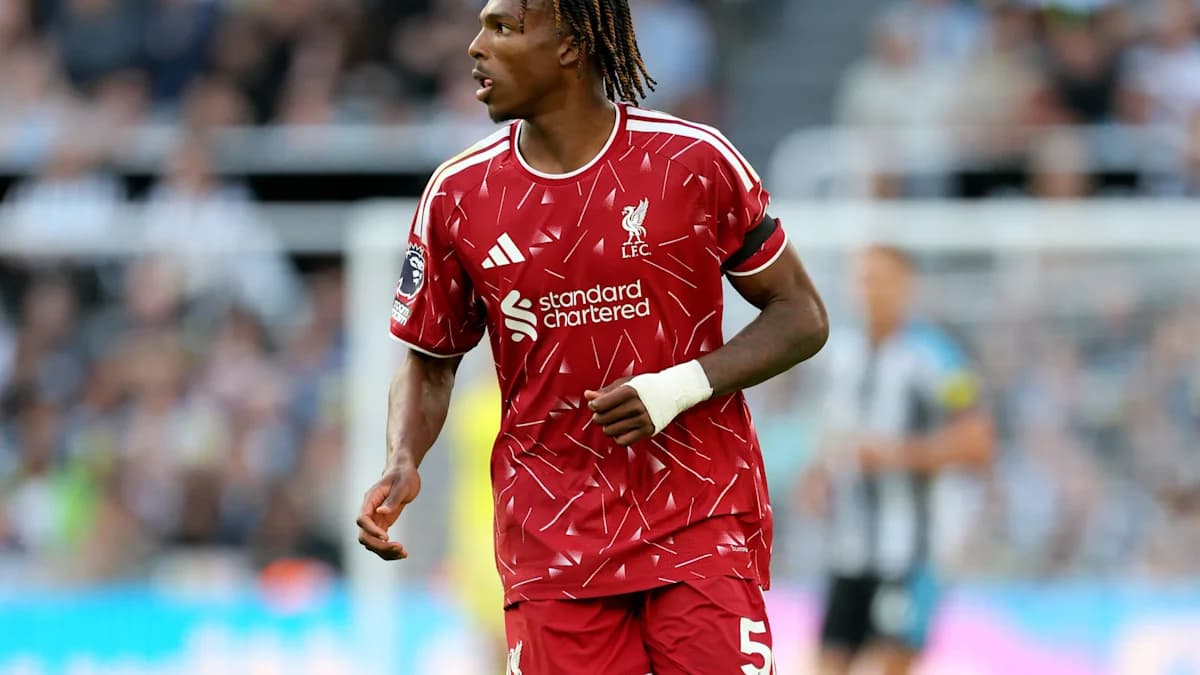
In that context, Azor Matusiwa looms large. He has not featured in pre-season as he works back to fitness, but once available he shapes as the midfielder who makes O’Neill’s system function. Matusiwa relishes the work few notice: interceptions, tackles, plugging gaps, forcing opponents wide instead of through the middle. Ipswich will need someone to live in those ugly areas. He is built for it.
Goals, though, remain the question that refuses to go away. Four players hit double figures in the Championship last season, but the Premier League is a different world. The club’s response has been to smash their transfer record on Emersonn, a £24m signing from Toulouse.
On paper, it’s a gamble. Six goals in Ligue 1 last season is hardly the profile of a sure thing. Yet Ipswich are buying the flashes of genuine talent, the potential rather than the finished article. He must adapt quickly. If he doesn’t, this could be a long, toothless campaign.
Strip it back and the concern is simple: McKenna’s influence ran through everything at Ipswich. His exit leaves a void no tactical tweak can immediately fill. O’Neill is capable and the squad has a decent core, but the sense lingers that this might be a year too soon for a proper consolidation. Right now, the odds point towards another brief stay.
Hull City: From the brink to the big time
No promoted side carries a wilder backstory than Hull City. Two seasons ago, they survived relegation to League One on goal difference. Last season, they started under a transfer embargo. This summer, they are preparing for trips to the biggest grounds in the country.
Their route here borders on the improbable. Hull only squeezed into the Championship playoffs with a win on the final day. Across the campaign they conceded 66 goals – the fourth-worst defensive record in the division. On the surface, that is not the profile of a side ready to storm into the Premier League.
Yet when it mattered, they found something. They consistently raised their level against top-10 opponents and showed a stubborn streak away from home in those fixtures. Then came the playoffs, where the chaos of their league season vanished. Hull did not concede a single goal across the knockout games, sealing promotion with a 1-0 win over Middlesbrough in a final overshadowed by ‘Spygate’ intrigue off the pitch.
At the centre of this unlikely surge is Sergej Jakirovic. He arrived as a relative unknown, but he has quickly stamped his ideas on the squad. Hull usually line up in a 4-2-3-1, yet Jakirovic has not been afraid to rip up the script mid-game. A switch to a back three with wing-backs dismantled Millwall in the playoff semifinal, underlining his tactical flexibility.
Jakirovic keeps hammering the same message: the collective comes first. Hull do not have the star power of their rivals, so they lean into work-rate, cohesion and the sense that everyone has to cover everyone else.
Within that framework, Ryan Giles has become their unlikely creative hub from left-back. His surges down the flank and pinpoint deliveries turned him into Hull’s chief playmaker last season. Eight Championship assists tell their own story, but the eye test is even clearer: when Giles gets space to cross or a dead-ball to swing in, Hull look dangerous.
Even so, the club knew the defence needed surgery. The answer has been a record-breaking move for goalkeeper Konstantinos Tzolakis from Olympiacos. Hull are banking on his presence to steady a back line that creaked all last season. In a team that may spend long spells under siege, his shot-stopping and command of the box could define their season.
There is intrigue, too, around Lucas Gourna-Douath. Once tipped for big things, the 23-year-old midfielder arrives with something to prove. If he can rediscover the level that once made him such a coveted prospect, Hull suddenly have a piece of genuine upside in the middle of the pitch.
Even with those additions, the warnings are hard to ignore. On paper, Hull look like one of the weakest squads to reach the Premier League in recent years. The defensive record is alarming, the source of goals unclear, the depth and experience thin. Grit and togetherness carried them through the Championship, but this is a different climb altogether.
For Coventry, the task is to turn smart planning into permanence. For Ipswich, it’s about surviving without the man who built their revival. For Hull, it’s a question that will hang over the season from the first whistle to the last: can sheer resilience really be enough at this level?