Premier League Transfer Window Review: Grades and Insights
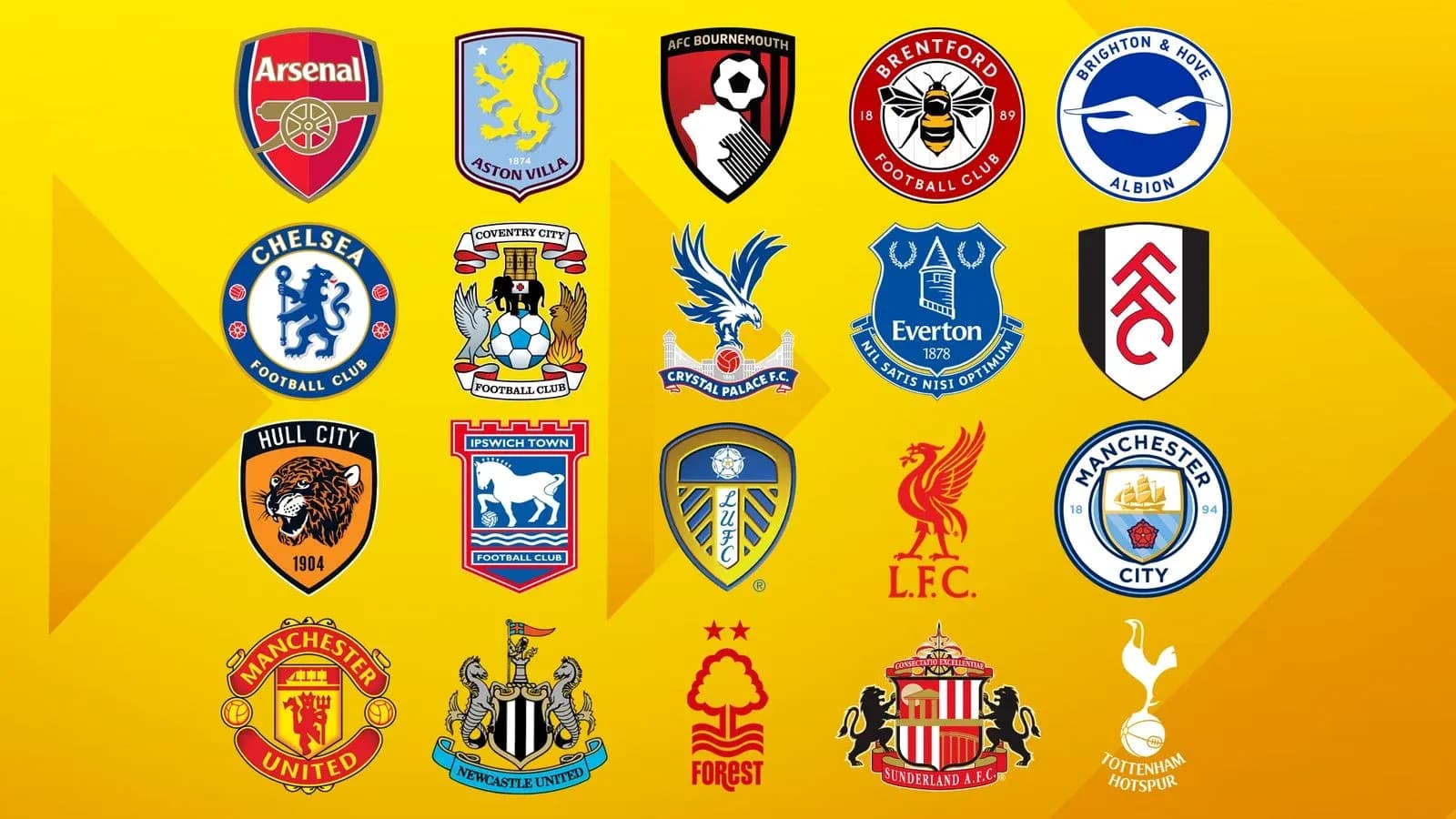
After a record-smashing summer and a frantic Deadline Day, every Premier League club has declared its hand. Some have retooled, some have gambled, and a few look like they’ve painted themselves into a corner.
Here’s how the window really played out across the division.
Arsenal – 8/10
Eight senior players out. An eight out of 10 window. The symmetry isn’t lost on anyone at the Emirates.
Gabriel Jesus, Gabriel Martinelli, Leandro Trossard, Christian Norgaard, Fabio Vieira, Ethan Nwaneri (on loan), Jakob Kiwior and Reiss Nelson have all exited the first‑team picture. Only Nwaneri is expected back in time, with the rest deemed expendable as Arsenal cashed in to the tune of more than £100m and cleared serious wages – Jesus’ salary in particular.
The dream was a marquee left winger. Vinicius Junior or Julian Alvarez would have turned this into a nine, maybe a perfect 10. Arsenal got close enough to be in the conversation, never close enough to close the deal. Fans are disappointed, but not delusional. They know those were long shots.
What they struggle with is the gap on that left flank. Two main left-sided threats gone, no direct replacement. The club tried after the Vinicius saga collapsed, but the right fit never surfaced. So they improvise.
Christos Tzolis has already made himself a fan favourite despite a shaky outing at Villa Park. Eberechi Eze can drift in from the left to great effect. Noni Madueke and Bukayo Saka can switch sides if needed, which in turn opens minutes on the right for Max Dowman. There’s even a theory that Riccardo Calafiori could step into a more advanced role, just as Mikel Arteta once reinvented Mikel Merino and Myles Lewis-Skelly.
No new left winger. No new striker. Yet everywhere else, Arteta is spoiled. Look at the bench at Villa Park: defensive and midfield depth that allows wholesale rotation without losing edge. Most importantly, he got his two big targets – Bruno Guimaraes and Ezri Konsa. On that basis, Arsenal walk away satisfied, if not quite complete.
Aston Villa – 7/10
Europa League glory was still fresh when the core of that triumph was ripped out. Six starters gone in weeks: Morgan Rogers, Youri Tielemans, Ollie Watkins, Emiliano Martinez, Lucas Digne and Ezri Konsa. No manager plans for that, not even Unai Emery.
The response has been bold and pragmatic. Villa have turned to youth and upside with Ibrahim Mbaye and Johan Manzambi, while adding hardened operators like Leon Goretzka and Aaron Wan-Bissaka. Nicolas Jackson knows the league and looked sharp on debut. Zion Suzuki’s first outing in goal was encouraging. Taylor Harwood-Bellis admits there’s work to do, but believes Emery can drag him up to the elite level.
All this while threading the Financial Fair Play needle. Villa have balanced the books under pressure and still handed Emery a squad that looks competitive on paper. The optimism is real – but it needs proof in claret and blue before anyone calls this rebuild a success.
Bournemouth – 9/10
Twelve months ago, Bournemouth were sellers. This time, they dug their heels in.
Rayan, Eli Junior Kroupi and Alex Scott all stayed. The club’s model accepts that stars will eventually move on, but not before they’ve given Bournemouth a proper run. Marco Rose was promised his team would not be dismantled beneath him. The board kept that promise despite heavy interest in their key men.
European football has changed the financial equation. Bournemouth needed to strengthen and trim costs simultaneously. They’ve done it with precision. Michele Di Gregorio arrives having been Juventus’ No 1. Antonio Silva, once linked with Europe’s giants, looks a bargain at centre-back. Juanlu Sanchez offers reliability at full-back. Alvaro Rodriguez adds a different dimension up front.
Fringe players were quietly moved on, and the club did its work early. No Deadline Day scramble, no late panic. For once, Bournemouth could watch the chaos from a distance. Rose and the hierarchy will judge this a near-perfect summer. Now the pressure moves from the boardroom to the touchline.
Brentford – 9/10
Brentford’s window is so tidy it’s hard to fault.
They wanted a midfield cornerstone. They paid £39m for Mamadou Sangare and it already looks like daylight robbery. Early days, but he has all the hallmarks of a season-defining signing.
El Hadji Malick Diouf, a late arrival at left-back, should force his way into the XI. Jaidon Anthony has already started twice. Callum Wilson is the ideal foil – or rival – for Igor Thiago. Jannik Schuster covers centre-back, which matters with Sepp van den Berg sidelined.
Crucially, the core remains. Jordan Henderson’s leadership walks out the door, but Thiago, Kevin Schade and the increasingly coveted Yehor Yarmoliuk stay. Michael Kayode and Vitaly Janelt have signed new deals. The only Deadline Day movement was Jayden Meghoma heading to Portsmouth on loan – classic Brentford, prioritising minutes for young talent.
It’s a near‑flawless piece of work. Only the belief that there’s always another level stops this being a 10.
Brighton – 7.5/10
Brighton, usually measured, went big. Nine first‑team signings, close to £170m spent, and a squad suddenly stacked, especially at the back.
Luka Vuskovic cost a club-record £50m and feels like a statement. Chema Andres arrived from Stuttgart in a late Deadline Day twist, the Spain U21 midfielder earmarked as a long-term solution after Carlos Baleba’s move to Manchester United. He’ll need time to adjust, but the talent is obvious.
Experience has drained away, particularly up front with Danny Welbeck gone. Loan signing Promise David will be asked to fill that void. Brighton will also lean heavily on Yankuba Minteh, who stayed despite Liverpool’s interest – a quiet victory that could prove loud by May.
Once the injured bodies return and the new faces settle, Fabian Hurzeler will expect this squad to compete in both the Premier League and Conference League. The ingredients are there; the chemistry is the question.
Chelsea – 9/10
Chelsea have changed direction – and you can feel it.
The scattergun youth-only approach has been replaced by something more grounded. Premier League-ready players now sit alongside the club’s collection of prodigies. Pursuits of Jordan Henderson, Emiliano Martinez and Danny Welbeck signalled the shift as clearly as any press release.
Geovany Quenda fits the old model of elite young talent. But the arrivals of Martinez, Morgan Rogers and Maxence Lacroix are about impact now. All three walk straight into Xabi Alonso’s best XI.
Joao Pedro has been rewarded with an improved contract, shutting down suitors and anchoring the squad’s core. After a chaotic, deeply unpopular season that imploded post-Enzo Maresca, Stamford Bridge feels alive again. The 4-3 thriller against Brighton under Alonso didn’t just deliver points; it delivered belief.
Not everything went smoothly. The Enzo Fernandez saga dragged on, the self-imposed August 15 deadline failed to resolve anything, and uncertainty bled into the early weeks. Yet three wins from three suggest the dressing room has parked the noise.
Marc Cucurella’s departure stings, but Chelsea sold smartly. High fees for Liam Delap, Nicolas Jackson and Alejandro Garnacho underline their status as elite traders. The next step is obvious. They’ve proved they can win the market. Now they have to win matches that matter.
Coventry – 8/10
Newly promoted, but not timid. Coventry spent big with a clear plan.
Frank Lampard now has depth he could only dream of last season. Carl Rushworth is back permanently after starring in promotion. Aurele Amenda brings athleticism at centre-back. Caleb Yirenkyi excites in midfield, while Frank Onyeka offers Premier League know‑how. Gustavo Hamer returns as a familiar creative force.
Up front, Taiwo Awoniyi gives them a proven top-flight focal point. Loum Tchaouna and Sidiki Cherif bring raw pace and upside. The early concern? Goals. Two games, two defeats, no scoring. The attack is new and still finding its rhythm.
Even so, this squad is stronger, deeper and more balanced than the one that went up. Coventry have been aggressive without losing their heads. It’s a window that says they’re here to compete, not just survive.
Crystal Palace – 7/10
Palace lost quality. Again. And again, they think they’ve found a way to live with it.
Maxence Lacroix and Daniel Munoz were two of their best performers. Both gone. Yet keeping Adam Wharton, Jean-Philippe Mateta and Ismaila Sarr feels like a victory in itself.
Mateta knows the sting of a collapsed move – his switch to AC Milan fell apart in January. He may now have to help Sarr through a similar hangover after Liverpool’s bid failed. Mateta is into the final year of his deal, so the countdown to the next round of speculation has already started. Sarr’s form between now and January will decide whether Palace were right to dig in.
As usual, they’ve shopped smart rather than spectacular. Axel Disasi, Dwight McNeil, Ben Chilwell and Takehiro Tomiyasu are proven Premier League operators. Dario Osorio could be the jewel, a 22‑year‑old with a big reputation arriving at a club that knows how to polish rough diamonds. Honest Ahanor strengthens the back line, while Anan Khalaili is viewed as a long‑term successor to Munoz.
Palace emerge with better depth and another reshaped squad ready for European demands. They’ve made an art form of losing stars and staying relevant. This summer keeps that story going, even if it doesn’t guarantee a happy ending.
Everton – 2/10
Chaos in blue. Again.
Everton have somehow managed to weaken a forward line that wasn’t exactly frightening to begin with. Letting Beto go to Fiorentina before Folarin Balogun was over the line looks, in hindsight, reckless. The late lunge for Joshua Zirkzee once the Balogun deal stalled only underlined the sense of panic.
Then came the sale of Iliman Ndiaye. All summer, Everton stressed they held the cards with three years left on his deal. In the end, £65m was enough to change their minds. It’s a huge profit on the fee paid two years ago, but not enough to ease the anger in the stands.
The aborted swap with Spurs – Ndiaye for £60m one way, Richarlison for £35m the other – summed up the mess. Richarlison’s valuation looked steep and the deal collapsed. Kenny Tete didn’t arrive either, Fulham refusing to budge without a replacement lined up. There’s a lesson in that for Everton’s hierarchy.
All this unfolded while ownership weighed up Nottingham Forest’s £40m bid for Harrison Armstrong and David Moyes publicly called for reinforcements. The mood among Evertonians is toxic: hurt, embarrassed, furious. They know it didn’t have to be this way.
There were positives. Ainsley Maitland-Niles, Jack Grealish, Hayden Hackney, Christian Norgaard, Merlin Rohl, Tyrique George and Brennan Johnson are all in. But the glow of those signings is drowned out by one brutal fact: once again, the manager doesn’t have the tools he needs.
Last year, it was the lack of a right-back and a reliable striker. This time, Moyes goes into the season with Thierno Barry as his only recognised centre-forward. Under those circumstances, a tilt at Europe would be a miracle, not a benchmark.
Fulham – 7/10
Fulham’s summer is built around an idea: Alvaro Arbeloa’s high-pressing, high-tempo football. The question is whether the squad can keep up.
On paper, they’ve hit key targets. The biggest box to tick was a striker. Gonzalo García, signed from Real Madrid, has started well with two goals in three games. That early return will calm nerves.
Midfield has been overhauled. Cesar Palacios and Manuel Angel, both Real Madrid academy products, join Shea Charles and Hugo Larsson. Arbeloa now has energy, technique and flexibility in the middle, exactly what his system demands.
The worry is behind them. Fulham have already been exposed defensively, a predictable consequence of pushing centre-backs high and full-backs even higher. That’s where Deadline Day signing David Affengruber becomes fascinating. The Austria international looks built for defending big spaces and could be vital if this approach is to work.
Losing Harry Wilson and Samuel Chukwueze without signing a winger is the eyebrow-raiser. Palacios has been used on the left but isn’t a natural wide man. Some fans will see that as a glaring omission.
Even so, Fulham have recruited to a vision, not just filled shirts. If Arbeloa can balance aggression with stability, this squad should have enough to stay clear of trouble.
Hull – 8/10
Hull wanted pace, power and quality. They’ve gone out and bought it in bulk.
Eighteen new players have arrived, six of them on Deadline Day. Owner Acun Ilicali has been central to the sales pitch, persuading targets that Hull’s ambition matches their own. Patience has paid off; the club believe they’ve landed primary targets on good terms.
The strategy is clear: add depth, skew young, build a group that can grow together. It carries risk, of course, but the upside is enormous if even half of these signings hit. Crucially, the core of the promotion side remains in place. That continuity, that spirit, could be the difference between survival and a swift return to the Championship.
Ipswich – 9/10
Ipswich have been here before – and they’ve clearly learned.
Two years ago, they spent around £110m trying to cling to Premier League status. It didn’t work. This time, they’ve gone harder and smarter: roughly £200m outlay, capped by Zian Flemming’s Deadline Day move from Burnley.
Fourteen players in, 18 out. It’s a complete rebuild with a sharper edge. Julio Enciso headlines as record signing. Abdul Fatawu, Emersonn and Exequiel Palacios add serious attacking craft. Sasa Lukic, Issa Diop and Florentino Luis arrive with Premier League experience, while Daizen Maeda brings searing pace and a proven track record.
The standout feature is depth. Ipswich haven’t just replaced – they’ve upgraded almost every department. Gary O’Neil now has options all over the pitch and a squad that looks capable of more than just staying up. His next task is to fuse it quickly. The early signs suggest he might.
Leeds – 8/10
This time, Deadline Day at Leeds ended in celebration, not regret.
The big narrative will be Harry Wilson finally walking through the door after last year’s late collapse. But the real work was done weeks earlier. Daniel Farke targeted three key upgrades and got them: Wilson, Tarik Muharemovic and James Trafford. All three improve the starting XI immediately.
Depth, a glaring issue last season, has been addressed with Nico Elvedi, Michael Zetterer and Melvin Bard. Then there’s Jean-Matteo Bahoya, the wildcard winger whose raw pace and unpredictability could turn games on their head.
If Bahoya explodes, this window will be remembered as transformative. Even if he doesn’t, Leeds now have a squad built to consolidate their Premier League status rather than cling to it.
Liverpool – 7/10
Liverpool have ticked many boxes. Not all.
They wanted pace out wide. Bradley Barcola and Victor Munoz deliver that. With Cody Gakpo staying – he was never leaving once Liverpool failed in moves for Yankuba Minteh and Ismaila Sarr – Andoni Iraola now has four wide options when you include Rio Ngumoha. Gakpo can still deputise for Alexander Isak while Hugo Ekitike recovers.
At the back, Ronald Araujo is a pivotal signing. He covers both centre-back and right-back, essential given injuries to Joe Gomez, Conor Bradley and Giovanni Leoni. His style dovetails with that of Jeremy Jacquet, whose deal was pre-agreed in the winter and who already looks like a natural Liverpool centre-half.
Yet the biggest hole remains. Mohamed Salah’s position hasn’t been filled by a natural right-sided winger. Barcola, Gakpo, Ngumoha and Munoz can all play there, but none are pure like-for-like replacements. A top-level full-back and a specialist holding midfielder would also have elevated this squad significantly.
Still, there’s plenty to like. Barcola oozes star quality. Munoz has the mentality to handle Anfield. Jacquet and Araujo have already connected with supporters. The club’s recruitment has skewed young – the average age of first-team signings over the last two summers is around 22 – and they’ve already secured future arrivals in Lucca Brughmans and Djylian N’Guessan, both 18.
It’s a good window. It could have been a great one.
Manchester City – 8/10
Selling Rodri, the best player at the World Cup, to Barcelona should have been a body blow. City have turned it into a pivot point.
For a while, the mood was edgy. Then the money started moving. Enzo Fernandez arrived on a dramatic Deadline Day, City smashing their transfer record for the second time this summer. He joins Elliot Anderson and Ayyoub Bouaddi in a rebuilt midfield worth around £300m – a trio that will draw envious glances across Europe.
The club insist this squad is stronger than last season’s. The evidence lies in the churn. Big fees for Savio, Omar Marmoush, Nico Gonzalez, Tijjani Reijnders, Nathan Ake and James Trafford funded moves for Iliman Ndiaye and Allan in attack.
Enzo Maresca now has the pieces he asked for. The revolution is no longer theoretical. The only question left is whether this version of City can go the distance in the title race.
Manchester United – 7/10
Manchester United didn’t fix everything. But they did fix the thing that mattered most.
The midfield needed a rebuild. They delivered one. Around £155m later, Andrey Santos, Youri Tielemans and Carlos Baleba join Kobbie Mainoo to form a new engine room. Michael Carrick suddenly has combinations and profiles to mix and match across four competitions.
Left-back remains an issue, at least on paper. The club didn’t land a specialist, but they point to versatility: Noussair Mazraoui has filled the role for Morocco, and Diogo Dalot can also shift across.
Outgoing business didn’t go as expected. Joshua Zirkzee, Manuel Ugarte and Marcus Rashford all stayed, limiting room to manoeuvre elsewhere. That might yet work in their favour. Rashford has started the season brightly; if he sustains it, Carrick effectively gains the “new signing” he never got.
Newcastle – 8/10
Newcastle’s summer threatened to unravel. It didn’t.
Matias Fernandez-Pardo’s Deadline Day arrival completed a run of eight signings. Of those, Lukas Hornicek, Amar Dedic, Nico Gonzalez and Fernandez-Pardo are ready for the strongest XI. Sean Steur, Aladji Bamba, Bazoumana Toure and Ewan Jaouen are longer-term bets – raw, but with high ceilings.
The numbers are eye-watering. £262m spent, £245m recouped from the sales of Sandro Tonali, Bruno Guimaraes and Anthony Gordon. The squad is younger, deeper and more dynamic. The late double swoop for Gonzalez and Fernandez-Pardo, at a combined £101m, feels like the real statement of intent.
Early performances from last summer’s big buys, Anthony Elanga and Yoane Wissa, only add to the sense of momentum. Newcastle’s transformation isn’t finished, but this window has kept it firmly on track.
Nottingham Forest – 7.5/10
Oliver Glasner knew exactly what he wanted. Forest largely delivered.
He asked for a physical No 9 with upside. Liam Delap fits the bill. He wanted a starting wing-back he trusted. Daniel Munoz, reunited with his old boss, ticks that box. Ousmane Diomande was another Glasner target, as was Xaver Schlager, who again links up with the Austrian after their Wolfsburg days.
The one miss is clear. Elliot Anderson’s departure left a gap for a young, dynamic, forward‑thinking midfielder. Forest didn’t fill it, though they did extract good money from Manchester City.
Even so, this is a coherent first window under Glasner. The squad now looks more like his team than his predecessor’s.
Sunderland – 7/10
Sunderland cut it fine. Very fine.
They spent the entire window hunting a winger. In the final 24 hours, Malick Fofana became the best option left standing. Then came the drama. A tug-of-war with Crystal Palace at Lyon airport, the player hesitating, the deal hanging by a thread.
Owner Kyril Louis-Dreyfus stepped in, pushed the offer higher and finally got it done. After all that, Fofana has to start. There’s no other way to justify the effort.
Dayann Methalie, the other big summer signing, is also nailed-on for the XI. But the real triumph is retention. Granit Xhaka, Brian Brobbey and Noah Sadiki all stayed. With that spine intact and Fofana added late, Sunderland emerge stronger than they entered – even if they cut it closer than they’d have liked.
Tottenham – 7/10
On ambition, Tottenham score a perfect 10. On execution, they sit somewhere lower.
The spending has been aggressive, almost unrecognisable from the old Spurs. They beat Manchester United to Mateus Fernandes and landed Sandro Tonali, a player many assumed was out of reach. Roberto De Zerbi has been given the authority to reshape the squad in his image.
Jan Paul van Hecke’s £50m move, with just a year left on his deal, is the kind of fee Spurs simply didn’t pay in the past. Defence and midfield have been heavily reworked. Up front, the glaring weakness from last season was addressed with the long chase for Savio and the addition of Omar Marmoush.
Then the window twisted. De Zerbi wanted one more star and the focus turned to Cody Gakpo. Manchester City’s interest ended that dream. After a damaging defeat to Newcastle, Spurs thought they’d pulled off a masterstroke: a fee agreed with Everton for Iliman Ndiaye, with Richarlison going the other way. Ndiaye looked tailor-made for De Zerbi. On Monday, he chose City. Richarlison then publicly criticised Spurs.
So they pivoted again, this time to rivals Chelsea. Mykhailo Mudryk and Tosin Adarabioyo arrived, a move unthinkable in previous eras. Mudryk is a gamble; he hasn’t played competitive football in nearly two years. But De Zerbi believes he can unlock him, and Chelsea’s insistence on a high loan-to-buy fee suggests they haven’t completely given up on him either.
The money is there. The backing is there. Now the question is simple: has this expensive, risky reshaping really moved Tottenham closer to where they want to be?