Premier League Transfer Window: Winners and Losers Unveiled
Two days on from the Premier League’s wildest transfer window yet, the dust still hasn’t settled. It doesn’t even feel like dust. It feels like confetti from a party nobody can quite remember, thrown by clubs who long ago stopped caring what anything costs.
Who won? Who lost? Does that even exist anymore in a market where you can burn £100m on a dud and still find someone happy to hand you £80m for the privilege of trying again? This was the summer when the Chelseafication of the transfer market felt complete: fees detached from reality, value a vague concept, and the whole thing starting to resemble a housing bubble that refuses to burst.
Chelsea themselves remain the perfect emblem. They paid around £60m for Mykhailo Mudryk, watched him struggle, then watched him get banned, and now have a deal lined up that might actually turn a profit on him next year. Try applying logic to that. You can’t. But we’re going to have a go anyway.
Three weeks ago, before the football interrupted the fantasy, we picked out 10 glaring problems across the division. The window’s shut now. Did anyone actually fix anything? Or did everyone just spend a lot of money to stand still?
Tottenham’s striker search that wasn’t
This felt like the obvious place to start. Tottenham needed a striker. Did they get one? Sort of. Not really. Depends who you ask.
They brought in Savio, Omar Marmoush and the aforementioned Mudryk. They did not move on Dominic Solanke or Richarlison, both of whom still appear to have a frosty relationship with Roberto De Zerbi.
De Zerbi has already set Savio a double-figure goals target, a neat hint that Spurs’ plan is to attack by committee rather than hang everything on a classic No 9. Marmoush looks a clever pick-up, escaping the shadow of Erling Haaland at Manchester City like the last forward who decided that was a career cul-de-sac and went on to thrive elsewhere.
But Marmoush isn’t a pure centre-forward either. The other major attacking targets that slipped away – Cody Gakpo and Iliman Ndiaye – tell their own story. It doesn’t look like De Zerbi wants a traditional nine. And he pretty much got everything he did want.
The early evidence is damning. Two league games, no goals, and not much sign of any. For a club finally throwing its financial weight around again, this can’t drift into another season of angst. Whatever this new-look attack is supposed to be, it needs to start looking like it very quickly.
Manchester City’s midfield panic and the £100m answer
This one started as a post-Community Shield wobble, which is usually a warning sign in itself. But in Cardiff, a midfield pairing of Elliott Anderson and Mateo Kovacic really did look like a problem waiting to happen.
City reacted in the way City now do. They hurled another nine-figure fee at the issue and brought in Enzo Fernandez from Chelsea.
Fernandez had already painted himself as a pantomime villain in England after his World Cup antics with Argentina. Now he’s gone from one of the league’s great money pits to the other, becoming the face of a window that felt unmoored from sense. He will be booed up and down the country, and there will be plenty hoping the whole thing blows up in his and City’s faces, even if it means Anderson, once a popular curiosity, becoming collateral damage in the process.
Manchester United’s defence creaks again
United did the necessary work in midfield earlier in the summer. The back line, though, remained largely untouched. Two games in, the risk already looks real.
Against a pair of promoted teams, United have conceded four times. It’s a nasty echo of the side that shipped four at Brentford four years ago. The old vulnerabilities haven’t disappeared; they’ve just been repackaged.
With European football and domestic cups looming, the load on this defence is about to spike. A huge amount now rests on Luke Shaw staying fit and reliable for months on end. That is a gamble, not a plan.
Liverpool’s fitness… and £150m for what, exactly?
The noise this summer centred on City, Chelsea and Spurs. Liverpool quietly ended up with the biggest net spend of the lot. And yet, when you look at the squad, it doesn’t obviously look much better than last season’s.
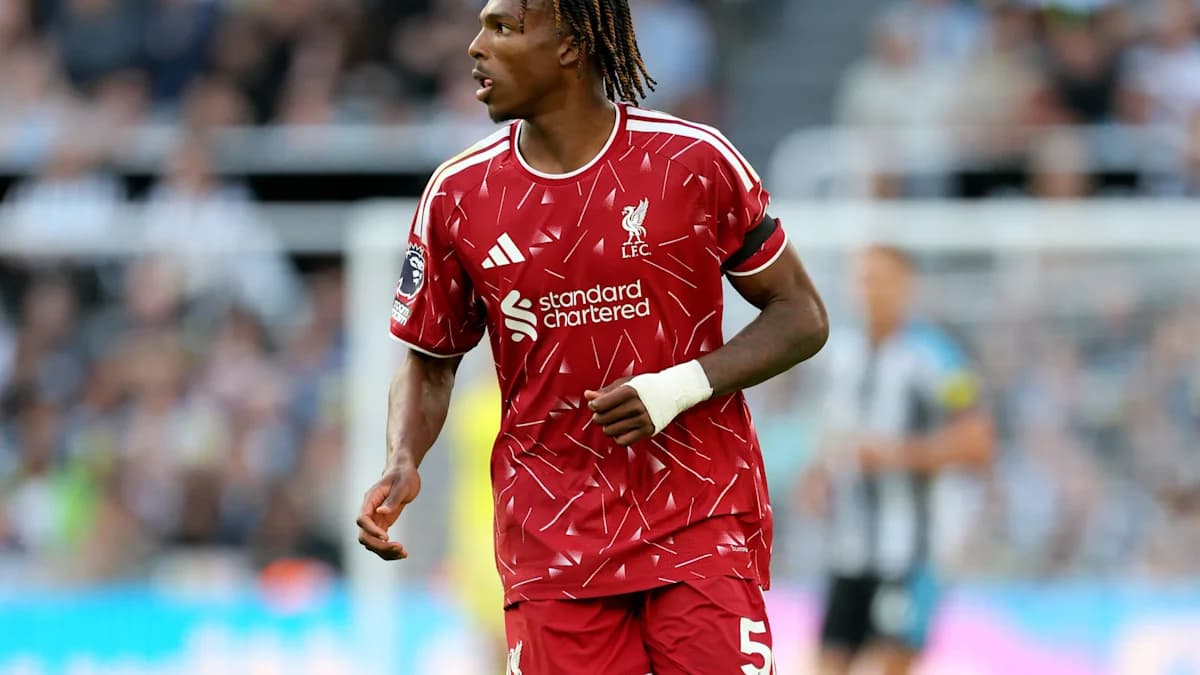
Bradley Barcola is the headline arrival: electric, exciting and extremely expensive. But Liverpool already had a few of those – thrilling, costly forwards who still need to turn potential into consistent production. For this window to mean anything, a couple of last summer’s big buys have to catch fire.
On the fitness question that hung over them, the evidence is mixed. Two games, two 2-2 draws, two late equalisers. You can argue that shows resilience and legs. You can also argue it rhymes uncomfortably with last season, when dramatic late winners papered over cracks that widened as the months went on.
Maybe this is just noise. Maybe it’s nothing. Or maybe, once again, the chaos of the window has distracted from problems that haven’t really gone away.
Chelsea finally get a goalkeeper right
At last, something simple. Something everyone can agree on.
Chelsea needed a goalkeeper. It was obvious before the season started. It was screamingly obvious after the first game. They went out and signed Emi Martinez.
Everyone can unite around this: Emi Martinez is better than Robert Sanchez.
That rare moment of clarity doesn’t last long, because this is Chelsea 2026. Fernandez has gone, nobody has replaced him, and the anxiety has simply shifted 20 yards up the pitch. Without European football, they can probably muddle through until January with Moises Caicedo anchoring things and a rotating cast of Romeo Lavia, Valentin Barco and Reece James trying to make it all hang together.
If it doesn’t, there’s always the January fix: another £80m solution. Or the chaos button – the free-agent market.
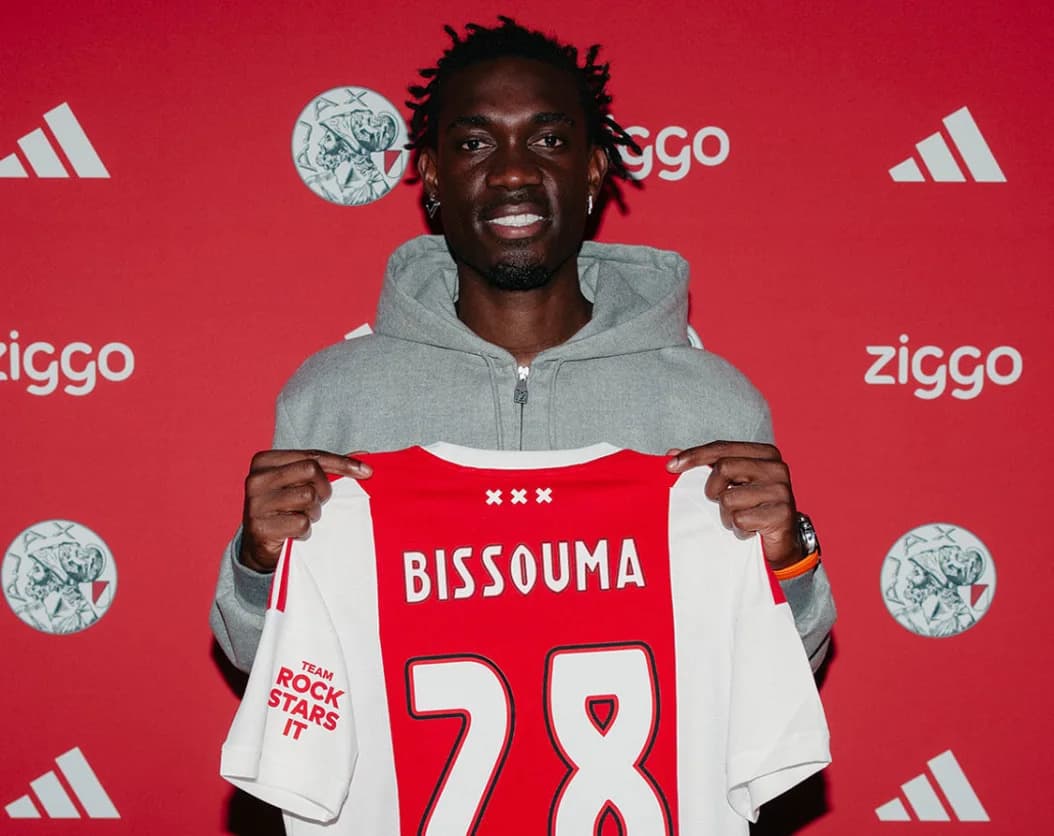
Given Spurs’ enduring habit of hoovering up Chelsea’s cast-offs, there would be a certain dark comedy in Chelsea turning to Yves Bissouma. Or, for maximum farce, Tanguy Ndombele, just to fill a squad slot until the window reopens.
Aston Villa rip out their spine and try to rebuild it
Villa’s midfield needed help. They found it in Leon Goretzka, picked up as a free agent after leaving Bayern Munich. It was done quietly, late in August, and might end up being one of the smartest pieces of business of the entire window once everyone clocks that it actually happened.
The wider picture at Villa is one of upheaval. Again. They’ve had to balance their permanent grievance – the chips on both shoulders – with the reality that the core of their recent success has been stripped away. Martinez, Konsa, Tielemans, Rogers, Watkins: the spine that dragged them upwards has been ripped out and reassembled.
Even so, there’s a logic to what they’ve done. Smart deals all over the pitch. Their goalless, pointless start to the season feels like the kind of early stumble a good side can shrug off, rather than the start of a slow slide. Not every barren beginning is created equal.
Newcastle’s Newcastle problem… that isn’t
This one can be filed under “false alarm” for now. The fear was that Newcastle would lose their edge, lose their identity, and drift into something more bloated and less coherent.
Instead, Matthias Jaissle has walked in and made them look sharp, organised and dangerous. Four points from games against Liverpool and Tottenham is a strong return on paper.
The nagging doubt? Those results might say more about Liverpool and Spurs than they do about Newcastle. We’ll learn more when they face a less chaotic opponent. Bournemouth away this weekend feels like a cleaner test of where they really are.
Fulham’s manager gamble already looks fragile
Alvaro Arbeloa, the Temu version of Xabi Alonso, has already emerged as the early favourite in the Sack Race. That takes some doing when Tottenham are goalless and Mr Marinakis has somehow gone weeks without firing anyone and must be itching to change that.
Fulham and Marco Silva felt like one of those rare, perfect fits: right manager, right club, right moment. Both sides had their reasons for parting, but ripping that up always carried a risk.
Arbeloa, of all the new faces in Premier League dugouts, always looked the flimsiest appointment. Two games in, nothing has changed that impression.
Coventry and the Sky Bet stench
Coventry still reek of Sky Bet. That’s the problem.
They’ve already lost to Hull and now stare at a brutal run: Manchester City, Brighton, Nottingham Forest and Newcastle over the next month or so. By the time they get the traditional respite of a trip to Dr Tottenham in late October, they could be staring up at the rest of the division.
The most telling sign of how deranged the market has become might not be Chelsea spending nine figures on midfielders. It might be this: Coventry have thrown £150m at their squad and still look, at best, like Championship Deluxe. De-Championshiping a promoted team has never been harder or more expensive.
Crystal Palace and a defence held together with Chelsea tape
Palace still sit squarely in the “worry about them” category. Two defeats to start, including a humbling at the hands of a Manchester City side that still looks like a work in progress, have set the tone.
They’ve tried to plug the gaps with the now-obligatory Axel Disasi loan from Chelsea. Every Premier League club seems contractually obliged to have him at some point. The rota has reached Selhurst Park.
There’s more Chelsea flavour. Honest Ahanor is on loan from Atalanta, but only in the technical sense. In reality, he’s a Chelsea player-in-waiting, due to join them next summer. The whole thing feels like a brazen sprint through a loophole, made queasier by the fact the player is literally called “Honest”.
Then there’s Ben Chilwell, back at Palace after a previous loan spell, this time arriving from Strasbourg and, crucially, injured. Years of transfer-window chaos have taught us one thing: when a club signs an injured Ben Chilwell on deadline day, they are not calm. They are not in control. They are panicking.
And that, really, is the story of this window. For all the clever deals and big statements, for all the spreadsheets and sporting directors, so much of it still comes down to the same thing: who is panicking least when the clock runs down and the chequebook comes out?