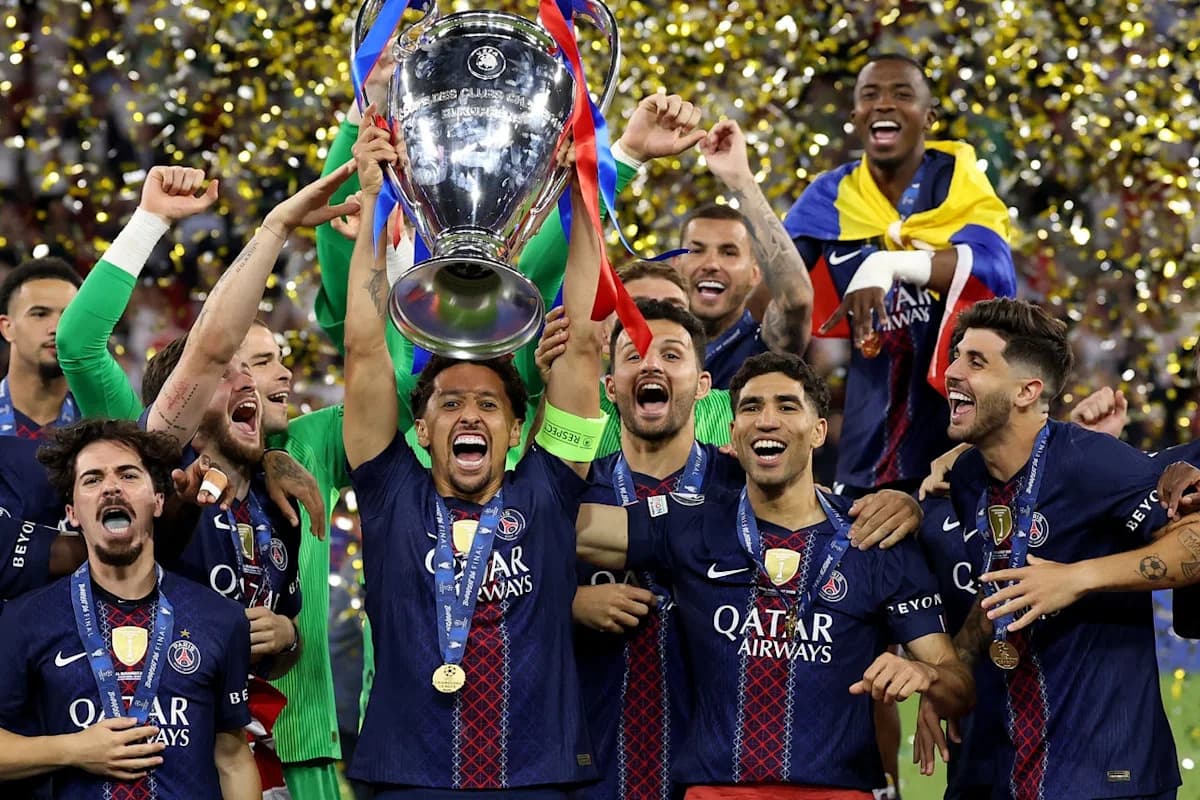
PSG’s Champions League Edge Is Also Its Greatest Drawback
PSG's Champions League Strength Reveals a Deeper Issue
After the 2026 Champions League final, Mikel Arteta found himself consumed by one question that nearly overshadowed Arsenal’s Premier League triumph: how do you beat Paris Saint-Germain? This query looms large as the Champions League returns for its third season since expanding to 36 teams and with PSG chasing a historic third straight title.
The real question might be less about whether PSG are simply the best team, which they likely are, but more about whether the current competition format unintentionally favors dominant clubs from leagues like Ligue 1 or the Bundesliga.
This discussion taps into broader topics around the Champions League, such as whether English clubs’ financial power translates effectively into success in the later stages. Yet, because of how different those later rounds are, none of this feels especially urgent at the moment.
PSG's Group Stage Approach
PSG barely seem concerned with the Champions League until February. In their two previous winning seasons, they finished 15th and 11th in the initial league phase, forcing them through a tough playoff round. They excel when it truly counts, a level many others struggle to reach.
This isn’t to rehash common complaints about the group stage losing its excitement or turning into a super league disguised as a tournament. Prize money has created a clear tier among clubs, diminishing surprises. Still, there's some fun in watching newcomers like Como, LASK, Viking, and Sabah make their debut runs.
New Stories and Changes
Fans will see Manchester United rediscover their connection with the competition at Old Trafford, while Jose Mourinho aims to win a third Champions League title with Real Madrid, 16 years after his last. This season also marks the first without Pep Guardiola since 2012, raising questions about whether Manchester City can capitalize on his absence. Meanwhile, Liverpool’s Andoni Iraola faces adapting to Champions League demands in his debut campaign.
Fatigue plays a role too. The Champions League now feels like an extended domestic league—almost wallpaper football—constantly present but often background noise. The group phase mostly shapes the knockout bracket rather than determining outcomes directly.
The Impact of the Tennis-Style Format
This is the second year UEFA uses a tennis-style fixed route, but luck still influences how seriously wealthy clubs take the eight-match league phase. Some top teams even seem to save their best players for later rounds, aiming to avoid exhaustion in tougher matches.
English teams dominate the upper end of the table, never knocked out early, even when their league form suffers. Tottenham, despite a poor recent season, finished fourth last year but weren’t truly Europe's fourth-best team, as Atletico Madrid showed in the round of 16. Spurs were distracted by a relegation battle in their domestic league, highlighting the unique challenge English teams face.
Premier League’s Demands and Wider Football Politics
The Premier League’s competitiveness and wealth distribution make it more demanding than other major leagues. The new group stage unintentionally counters concerns about English dominance in Europe. Meanwhile, bigger European clubs continue pushing back against Premier League power through initiatives like the Super League and this expanded Champions League format, which rivals the Premier League’s broadcasting reach.
This expansion encroaches on the Premier League calendar and tests player endurance. It also relates to where the Premier League falls short: star quality. Clubs like Real Madrid, Barcelona, and PSG have higher revenues and wages, enabling them to attract and keep elite players longer.
Barcelona's Revival and Rodri's Role
Rodri's signing boosted Barcelona into serious Champions League contention for the first time in eight years. Though he reportedly wanted to return to LaLiga, his presence could be decisive this season, especially given Arsenal’s failure to secure a comparable attacking star.
Barcelona have lacked true Champions League force since 2019, but young talent like Lamine Yamal and coach Hansi Flick have revived hope, despite tactical concerns about their high defensive line. Rodri's ability to absorb pressure offers a near-complete solution.
This adds another contender to the field. Yet, if PSG don’t win, everyone else must figure out how to overcome them. That’s why Arteta stresses raising his team’s level. Despite a slow start, PSG remain the only side truly seasoned in finishing strong in this calendar.