PSG’s Champions League Edge Also Creates Challenges
PSG’s Unique Position in the Champions League
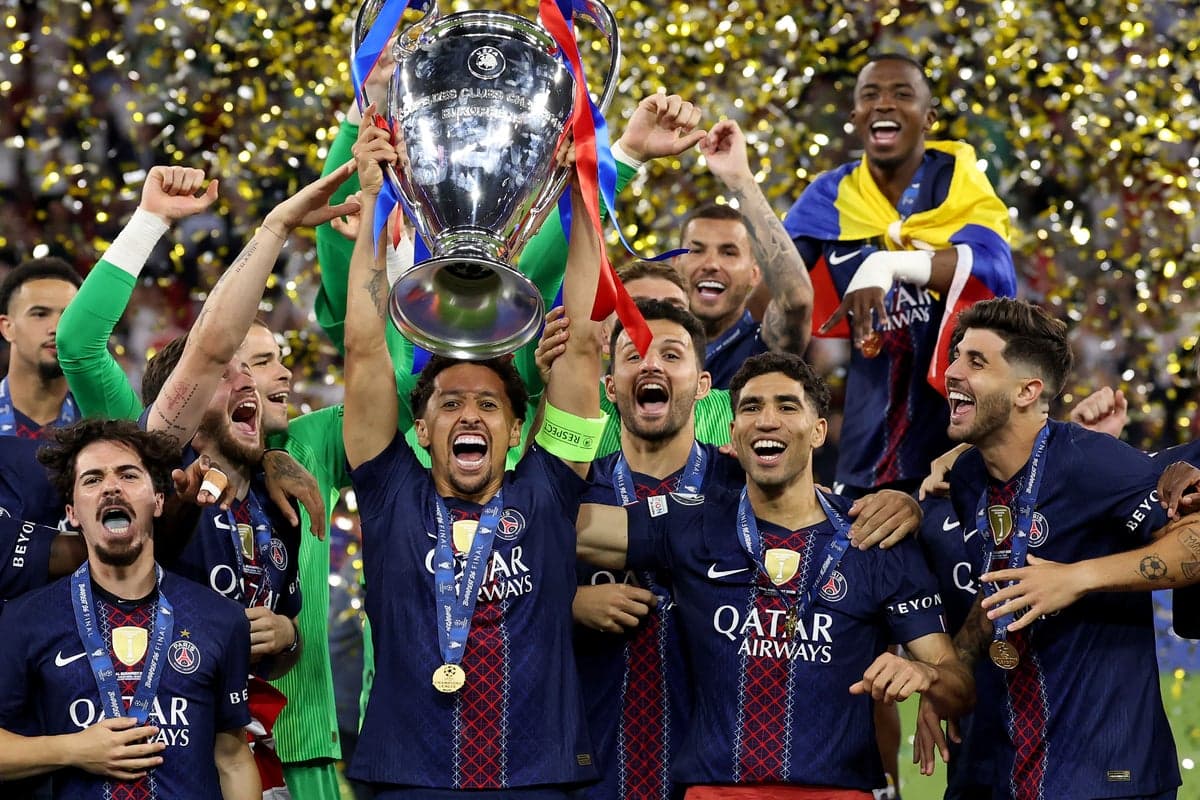
After the 2026 Champions League final, Mikel Arteta was preoccupied with one question that nearly overshadowed Arsenal’s Premier League triumph: how to beat Paris Saint-Germain. With the competition entering its third season after expanding to 36 teams, the focus is on whether the Qatar-backed club can secure a third straight title.
The bigger question might not be about PSG's dominance itself, but how the current format favors champions from leagues like Ligue 1 or the Bundesliga. This touches on wider debates around financial influence and competitive balance in European football.
Group Stage Dynamics and PSG’s Strategy
PSG often seems indifferent to the group stage, focusing their efforts on the later rounds. In their two victorious campaigns, they ranked 15th and 11th in the initial phase, requiring them to battle through an additional play-off round. They excel when it matters most, something many clubs struggle with.
This isn’t to rehash complaints about the group stage losing its excitement or becoming a financial tool favoring elite teams. The distribution of prize money has indeed created tiers within European football, limiting the rise of unexpected contenders.
Enjoying the Group Stage Despite Its Flaws
Even if the group phase no longer holds the prominence it once did, it still offers drama and fresh stories. Watching newcomers like Como, LASK, Viking, and Sabah navigate the tournament adds intrigue.
For Manchester United, returning to Old Trafford brings a sense of tradition, while Jose Mourinho aims to capture his third Champions League trophy after 16 years. Meanwhile, Pep Guardiola’s absence since 2012 might open doors for other teams like Manchester City or Liverpool’s Andoni Iraola, who faces the challenge of balancing physical demands in his debut Champions League run.
Fatigue and Tactical Decisions in the League Phase
The frequency of matches makes the competition feel almost like a domestic league, sometimes resembling "wallpaper football"—always present but often background noise. The early phase mainly shapes the knockout bracket without guaranteeing outcomes.
This season continues with UEFA’s tennis-style fixed route, but clubs now weigh whether to push their best lineups early or conserve energy for tougher fixtures ahead. English clubs dominate the top positions, none failing to progress from the group stage despite varying performances.
English Clubs and the Challenge of Consistency
Last season’s Tottenham struggled yet finished fourth in their group, which didn’t truly reflect their quality compared to teams like Atletico Madrid, who proved stronger in the knockout stages. Tottenham’s relegation fight highlighted the Premier League’s demanding nature.
The Premier League’s competitiveness and wealth distribution create a steep challenge for clubs, unlike other leagues where a few teams dominate more easily.
Group Stage as a Check on Premier League Dominance
The expanded group stage also acts as a subtle counterbalance to English football’s power, amid ongoing tensions like the FIFA-UEFA cold war. The Super League project aimed to limit Premier League influence, while this Champions League format competes directly with the league’s broadcasting supremacy.
This increase in fixtures encroaches on domestic schedules and tests player stamina, showing where the Premier League lacks—namely, star power. Clubs like Real Madrid, Barcelona, and PSG boast bigger revenues and higher wages, helping players sustain peak performance longer.
Barcelona’s Revival and the Impact of Rodri
Rodri's transfer to Barcelona could shape this season’s competition significantly, especially since Arsenal missed out on adding a similar attacking talent. Barcelona haven’t been serious Champions League contenders since 2019, but with young star Lamine Yamal and coach Hansi Flick improving the team, they are regaining respect.
Rodri provides stability and balance that were lacking, potentially turning Barcelona into genuine challengers once again.
The Road Ahead: Overcoming PSG
If PSG don’t claim the title, every other contender faces the tough task of figuring out how to surpass them. That’s why Arteta emphasizes raising team standards; even if PSG stumbles early, their experience in closing out the season remains unmatched.