PSG Dominates Chelsea in Champions League Round of 16 Clash
On a crisp Champions League Round of 16 night at Stamford Bridge in London, Chelsea’s formidable home record met its sternest examination yet – and Paris Saint Germain dismantled it with ruthless efficiency. Under the eye of Slovenian referee Slavko Vinčić, the French side produced a 3-0 win (HT: 0-2) that cut straight through Chelsea’s previously perfect home campaign in this European season.
Coming into the tie, Chelsea sat 6th in the competition’s overall standings with 16 points, a +7 goal difference and a flawless home record: four wins from four, 10 goals scored and just one conceded at Stamford Bridge. PSG arrived ranked 11th, on 14 points with a +10 goal difference, and a strong away profile of two wins, one draw and one defeat, with 10 goals scored and 5 conceded on the road. On this evidence, their away numbers were no accident.
First Half
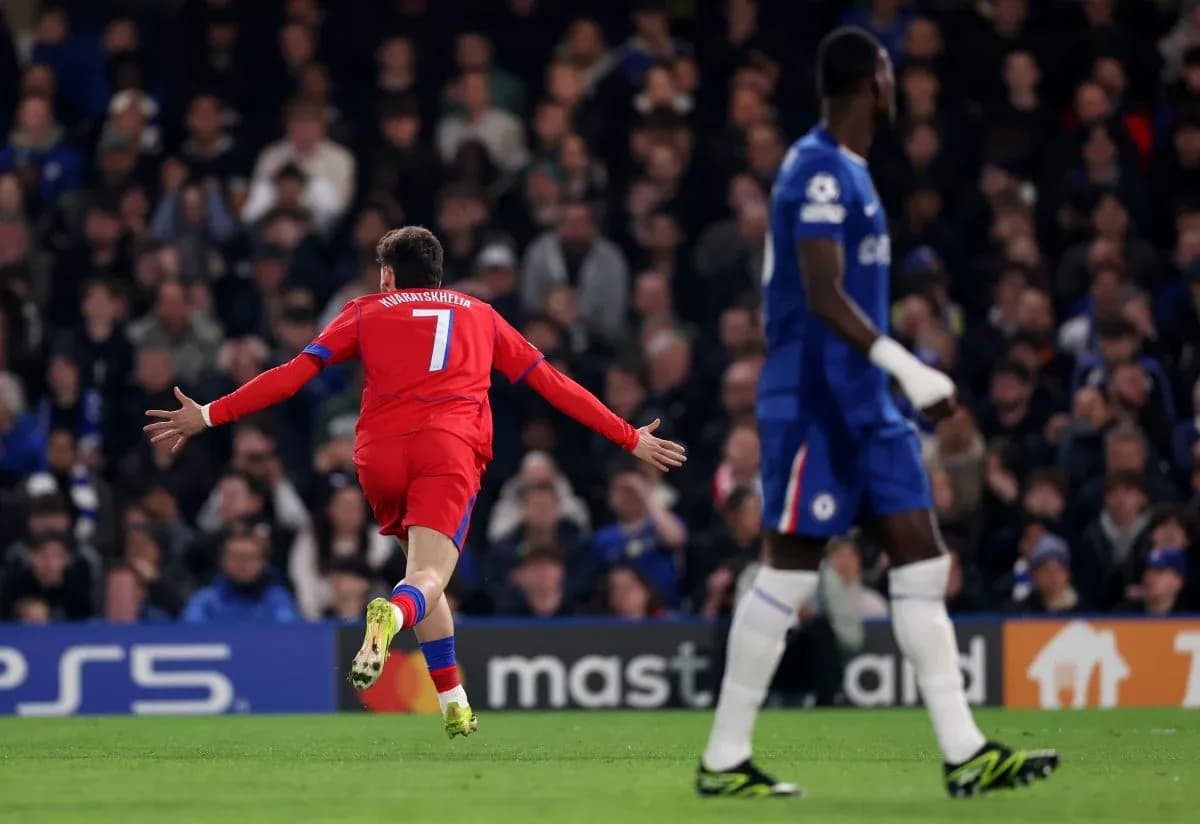
The first half belonged to PSG on the scoreboard and, crucially, in the penalty areas. They went in 2-0 up at the interval, with both goals coming from open play. Khvicha Kvaratskhelia struck in the 6th minute, and Bradley Barcola doubled the advantage in the 14th minute, the latter assisted by Achraf Hakimi. That early one-two punch gave Enrique Luis’s side the platform they needed, and from there they managed the game with impressive control.
Liam Rosenior’s Chelsea, set up in a 4-2-3-1 with Cole Palmer leading the line ahead of an attacking trio of João Pedro, Enzo Fernández and Pedro Neto, actually generated plenty of volume. They finished with 18 shots to PSG’s 8, and crucially 9 shots on target to the visitors’ 5. Yet the story of the night was their inability to convert pressure into goals, and PSG’s clinical edge whenever space appeared.
The underlying numbers underline how balanced the chance creation was. Chelsea’s xG of 1.03 was almost identical to PSG’s 1.09, suggesting the visitors did not overwhelm them in quality of chances, only in the ruthlessness with which they were taken. At the other end, Robert Sánchez’s performance was a paradox: officially he made 2 saves, yet the goals prevented model credits him with stopping around two goals’ worth of chances, indicating several high-quality interventions even in a 3-0 defeat.
Second Half
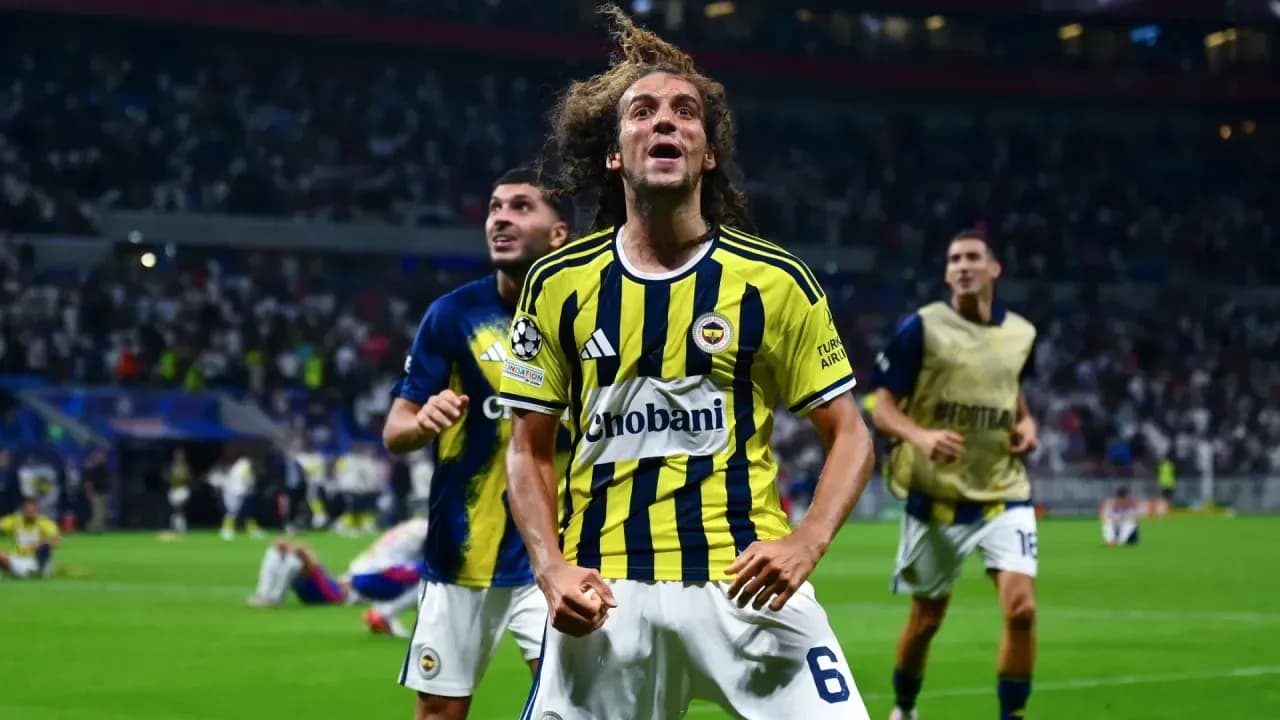
PSG’s third came midway through the second half and killed any faint hopes of a Chelsea comeback. In the 62nd minute, Senny Mayulu – introduced at half-time – found the net from open play, again after service from Hakimi, who finished with two assists and a defining role from right-back. The timing of that goal, just after a flurry of substitutions, underlined PSG’s depth and game management.
The bench impact was significant on both sides. At 46 minutes, J. Neves went off for PSG, with Senny Mayulu introduced and quickly becoming a headline figure. Chelsea responded simultaneously, withdrawing Mamadou Sarr and bringing on Josh Acheampong. Rosenior then made a triple attacking adjustment around the hour: at 59 minutes João Pedro went off for Liam Delap, and Cole Palmer was replaced by Alejandro Garnacho; a minute later, Enzo Fernández departed for Roméo Lavia. Later, at 71 minutes, Marc Cucurella made way for Tosin Adarabioyo. PSG, for their part, continued to refresh intelligently: Barcola went off for Désiré Doué at 59 minutes, Ousmane Dembélé was replaced by Gonçalo Ramos and Nuno Mendes by Lucas Hernández in a double change on 66 minutes, and Kvaratskhelia departed on 73 minutes for Kang-in Lee.
Tactically, PSG’s 4-3-3 was built on control and precision. They enjoyed 54% of the ball, completed 478 of 547 passes for an 87% accuracy rate, and looked comfortable circulating possession to suffocate Chelsea’s attempts to counter. Their shot profile – 7 of 8 attempts coming from inside the box – spoke to a side patient enough to work high-quality positions rather than settle for hopeful efforts.
Chelsea’s 46% possession and 456 total passes (85% accuracy) reflected a side that grew into the game territorially, especially after the break, but lacked incision. They forced 3 corners more than PSG (9 to 3) and fired 10 of their 18 shots from inside the area, yet a combination of wasteful finishing and outstanding goalkeeping from Matvey Safonov left them scoreless. Safonov’s 9 saves and an estimated two goals prevented mark him as arguably the standout performer, repeatedly denying Chelsea from close and medium range.
Defensively, Chelsea’s back line did at least show some resistance in open play, registering 6 blocked shots – the mirror of PSG’s attacking attempts – but each clear PSG sight of goal was punished. By contrast, PSG’s defenders were scarcely called upon to throw bodies in the way, with 0 shots blocked, a reflection of how often Safonov was allowed a clean look at efforts.
Discipline was notably clean from both teams: no yellow or red cards were shown, despite PSG committing 10 fouls to Chelsea’s 8. It was a high-level knockout tie decided not by aggression but by efficiency, structure and individual quality in the final third.
In the context of this Champions League season, the result reinforces the snapshot standings: Chelsea remain a 16-point, +7 side that has largely thrived in Europe but was exposed here by a sharper opponent. PSG, at 14 points and +10, continue to justify their promotion from the 1/16-finals with a performance that combined resilience, control and devastating end-product at one of Europe’s most demanding venues.