Real Madrid's Late Winner Masks Familiar Flaws in Mourinho's Return
Real Madrid walked out of Catalonia with three points and a familiar headache.
A 90th-minute strike from debutant Carlos Espí stole a 2–1 win over Espanyol on Saturday night, bailing out a stuttering performance and putting a flattering gloss on the opening day of the 2026–27 La Liga season.
For José Mourinho’s second spell in charge, it started perfectly. It did not stay that way.
Dream Start, Drifting Control
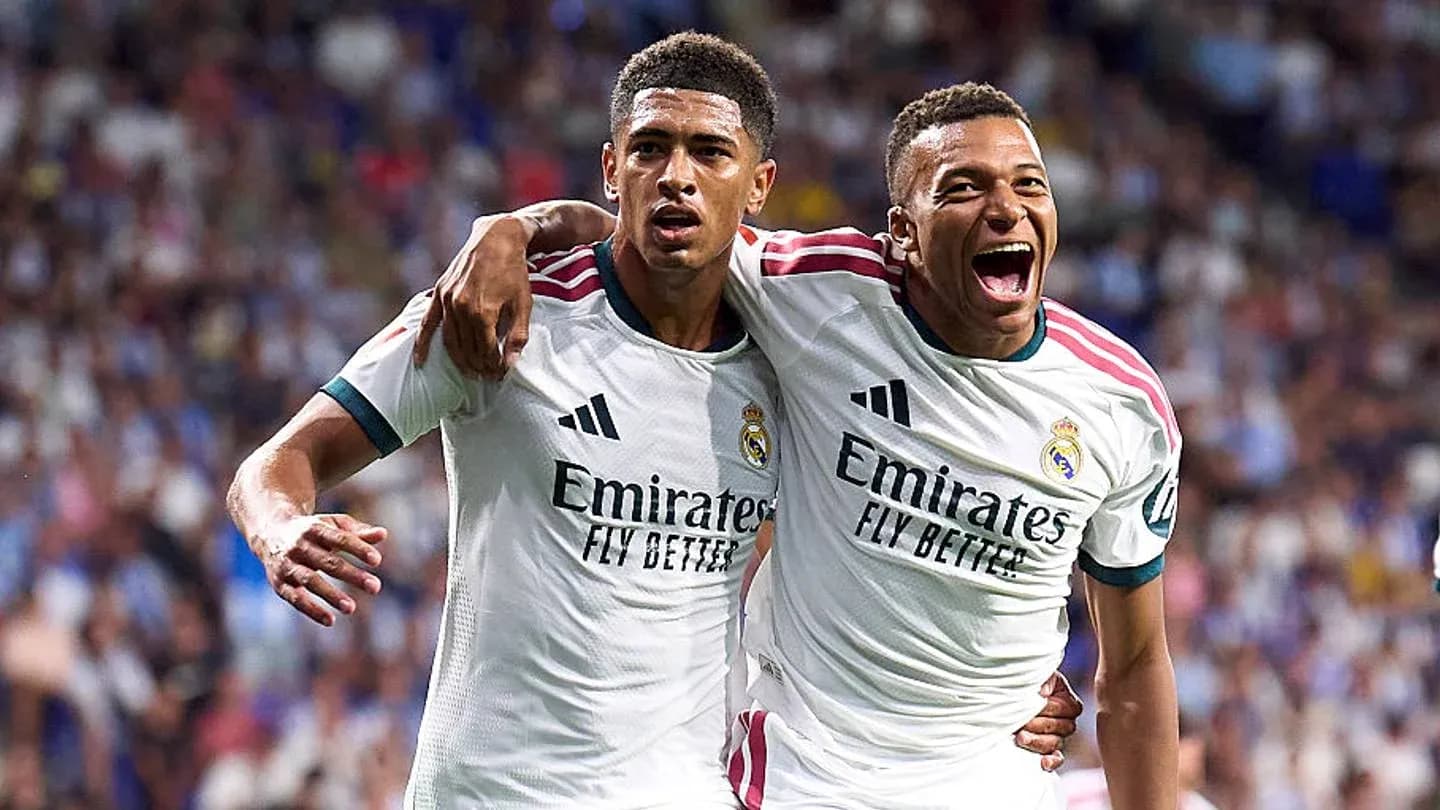
Madrid needed just nine minutes to announce themselves. Arda Güler, bright and ambitious from the first whistle, whipped in a vicious set-piece delivery. Jude Bellingham met it with a thumping header, steering the ball home and immediately stamping his authority on the new era.
At 1–0, Real looked settled. The ball moved crisply, Güler kept finding pockets of space, and Bellingham drove at Espanyol’s back line with that familiar, upright swagger. It felt like the visitors might suffocate the game early.
Then the grip loosened.
Espanyol grew braver. Real grew careless. The tempo dipped, the passing slowed, and the old problem resurfaced: a Mourinho side, stacked with talent, unsure how to dismantle a compact, disciplined block from a lesser side.
The punishment arrived on the half-hour. Álex Calatrava ghosted into the box, completely untracked, and buried the equalizer past Thibaut Courtois. Federico Valverde, rooted to the spot and shouting instructions instead of tracking the runner, watched the move unfold. One lapse, one free man, 1–1.
The goal should have jolted Madrid back to life. Instead, Espanyol smelled uncertainty and Madrid slumped into familiar patterns.
Attacking Stars, Familiar Stalemate
The second half turned into a grind. Madrid had the ball, but rarely the ideas.
Vinícius Júnior was predictable down the left, repeatedly chopped down but also too eager to go to ground. Espanyol’s defenders read him with ease. He finished with no shots on target, no chances created, and plenty of bruises.
Kylian Mbappé, frustrated, began drifting out to the right just to feel involved. He carved out a few half-chances, but squandered the best of them, somehow heading wide with the goal gaping after the restart. The miss summed up his night: dangerous in flashes, wasteful when it mattered.
Behind them, the midfield offered little incision. Valverde and Bernardo Silva kept things tidy in phases, yet rarely split lines or punched passes through Espanyol’s structure. Bernardo had brief spells dictating tempo but faded, winning just two of his nine duels. Too often, Madrid resorted to hopeful crosses, lofted into a crowded box with no real plan.
The sense of déjà vu was suffocating. Another low block, another Real Madrid side waiting for an individual miracle.
It never looked like coming from Mbappé and Vinícius. The pair never truly clicked, their movements overlapping rather than combining. The Bernabéu may dream of them as a devastating duo; in Barcelona, they looked like strangers.
Güler and Bellingham Shine Amid the Noise
Not everyone was dragged into the malaise.
Arda Güler was the standout creator on the pitch. His set-piece for Bellingham’s opener was no accident; every time he found space, he lifted his head and picked out ambitious, intelligent passes. He constantly tried to quicken the game, to find gaps others couldn’t see. His reward? Hooked just after the hour mark, a decision that felt harsh given how little invention remained without him.
Bellingham, too, looked every bit the centerpiece of Mourinho’s project. He scored the first goal of the new era, then spent the rest of his time making those surging runs from deep, dragging markers with him and showing off the close control and flair that lit up England’s summer. When he departed on 80 minutes, Madrid lost a chunk of their drive.
Those two were at the heart of everything positive Real produced. They showed they can share the stage. Mourinho will know he cannot afford to separate them often.
Espí’s Instant Impact
As the clock bled into the final minutes, the script felt inevitable: Madrid, blunted by a low block, dropping points on opening day. The crosses kept coming, the ideas did not.
Then the new signing arrived.
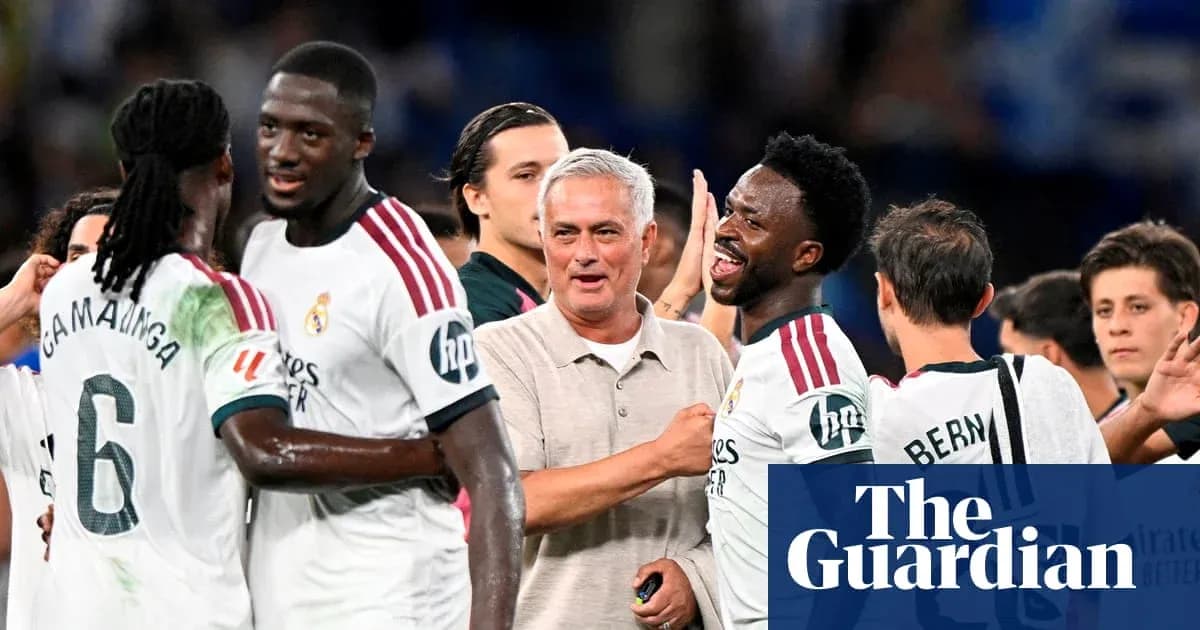
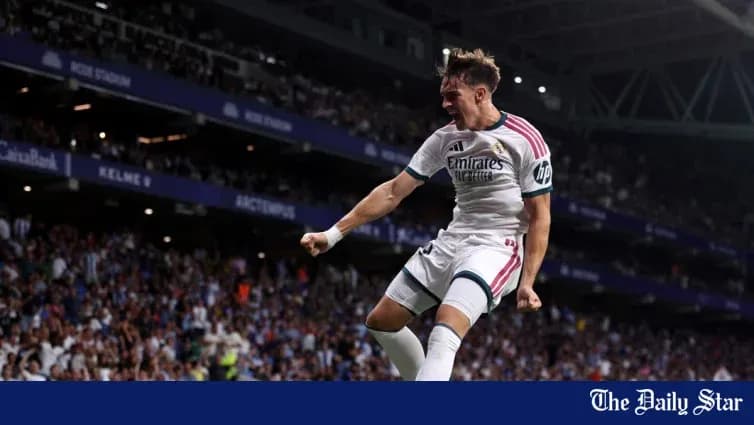
Introduced on 80 minutes for Bellingham, Carlos Espí needed just ten to write his name into the night. Mbappé, who had spent most of the match fighting frustration, finally carved out the kind of space he craves. From that movement came the opening, and Espí pounced, finishing clinically to snatch the winner on his debut.
It was a ruthless moment, the sort Real Madrid have built an empire on. Espí, the unlikely hero, spared Mbappé and Vinícius from a week of brutal headlines and handed Mourinho the one thing he absolutely needed: a win.
Defensive Choices and Midfield Warnings
Behind the late drama, the ratings told their own story.
Mourinho opted for Denzel Dumfries over Trent Alexander-Arnold at right-back, prioritizing defensive security. The irony was brutal. Dumfries pushed too high and needed Ibrahima Konaté to bail him out more than once, then was beaten down his flank in the build-up to Espanyol’s equalizer. His attacking contribution was limited enough that Mbappé effectively took over the right wing in the first half. Mourinho traded Alexander-Arnold’s creativity for solidity and ended up with neither.
Konaté, on debut, impressed with his physicality and aerial dominance, even if his positioning inside the box wavered at times. Dean Huijsen complemented him with composed passing, hitting five balls into the final third and literally shedding blood for the cause. On the left, Álvaro Carreras delivered a quietly competent performance, a welcome change from last season’s chaos, before Marc Cucurella came on to continue shaking off his World Cup rust.
In midfield, though, the alarms rang loudest. Valverde’s 8.1 rating masked a night defined by that fatal lapse on Calatrava’s goal and a struggle to truly grab hold of the game. Bernardo Silva, neat on the ball, simply didn’t impose himself often enough. The issues that dogged Madrid’s midfield in recent seasons are still there, still obvious, still costly.
Further forward, the substitutes offered flashes but no revolution. Yan Diomande sent in some useful balls and helped spark the move that led to Espí’s winner, but overcomplicated things in the box. Eduardo Camavinga, on for Bernardo, did not misplace a pass yet had little time to reshape the contest. Alexander-Arnold’s cameo was solid, nothing more.
Only Espí, with that decisive touch, truly changed the night.
Three Points, Many Questions
Strip away the late winner and the storyline is painfully familiar: Real Madrid, loaded with stars, struggling to unpick a compact Spanish side. The 2–1 scoreline flatters more than it convinces.
The fans will celebrate the result. They always do. A debut goal, a comeback win, Mourinho off the mark in his second act. On paper, it all looks fine.
But the noise from Catalonia is impossible to ignore. The reliance on individual moments, the disjointed front line, the bluntness against a low block, the muddled midfield balance—these are not new concerns. They are the same questions that have lingered for two seasons.
Espí’s late strike buys Mourinho time. It does not buy him answers.
If this team is truly going to rip the title away from Barcelona, Real Madrid cannot keep living on the edge of nights like this.