Real Madrid's Mourinho Era Begins with Mixed Victory
Real Madrid’s new Mourinho era began with a win on the scoreboard and a knot in the stomach.
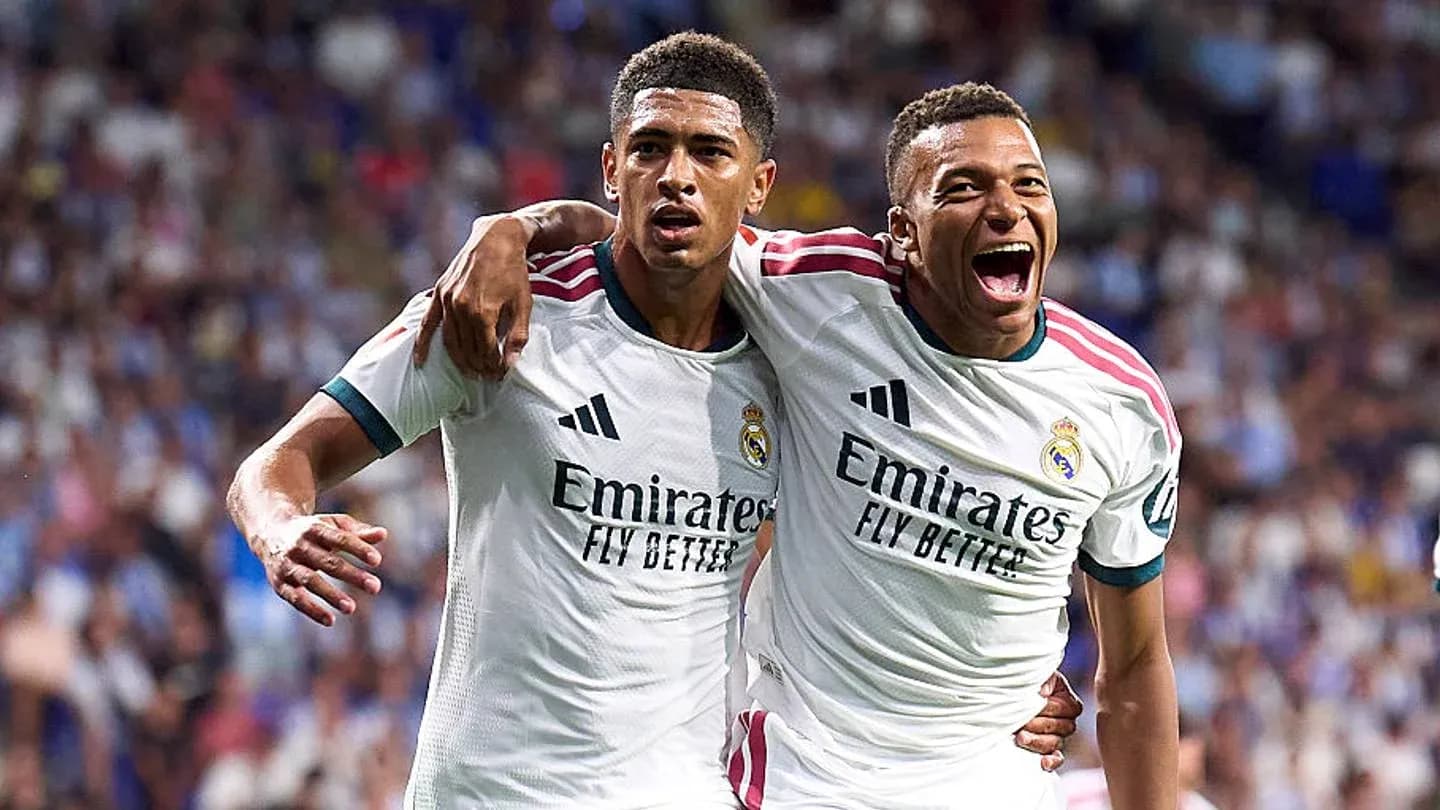
They exploded into the match, playing as if they wanted the league wrapped up by half-time. Arda Guler needed only one clear look to make it count, shaping a superb cross from the right. Jude Bellingham attacked it like a centre-forward, rose above everyone and powered his header home in the ninth minute. Textbook. Ruthless. Exactly the kind of early strike that usually settles a side.
It didn’t.
The goal gave Madrid the lead, not control. Espanyol shook off the blow quickly and began to drag the game into their rhythm. Thibaut Courtois, back in the thick of it, suddenly became the busiest man on the pitch. In the 26th minute he bailed Madrid out, reacting sharply to deny a dangerous chance that exposed just how open the visitors had become.
The warning went unheeded. Minutes later, Alex Calatrava arrived with the equaliser, and this time Courtois had no escape route. Espanyol’s pressure finally told, and the scoreboard caught up with the flow of the game.
For long stretches of that first half, the pattern was clear: Madrid had the goal, Espanyol had the better chances. The Catalan side found gaps between the lines, slipped runners into space and forced Madrid’s back line into uncomfortable decisions. The sense of fragility wasn’t about one isolated mistake. It felt structural.
Espanyol’s goal dragged an old debate back into the spotlight. Madrid’s defence looked short of a true anchor, the kind of player who senses danger early, steps in before the move develops and kills it at source. When the ball was lost, a wide-open patch of grass appeared in front of the back four, begging to be attacked. With so many attack-minded players on the pitch, every turnover carried a hint of panic.
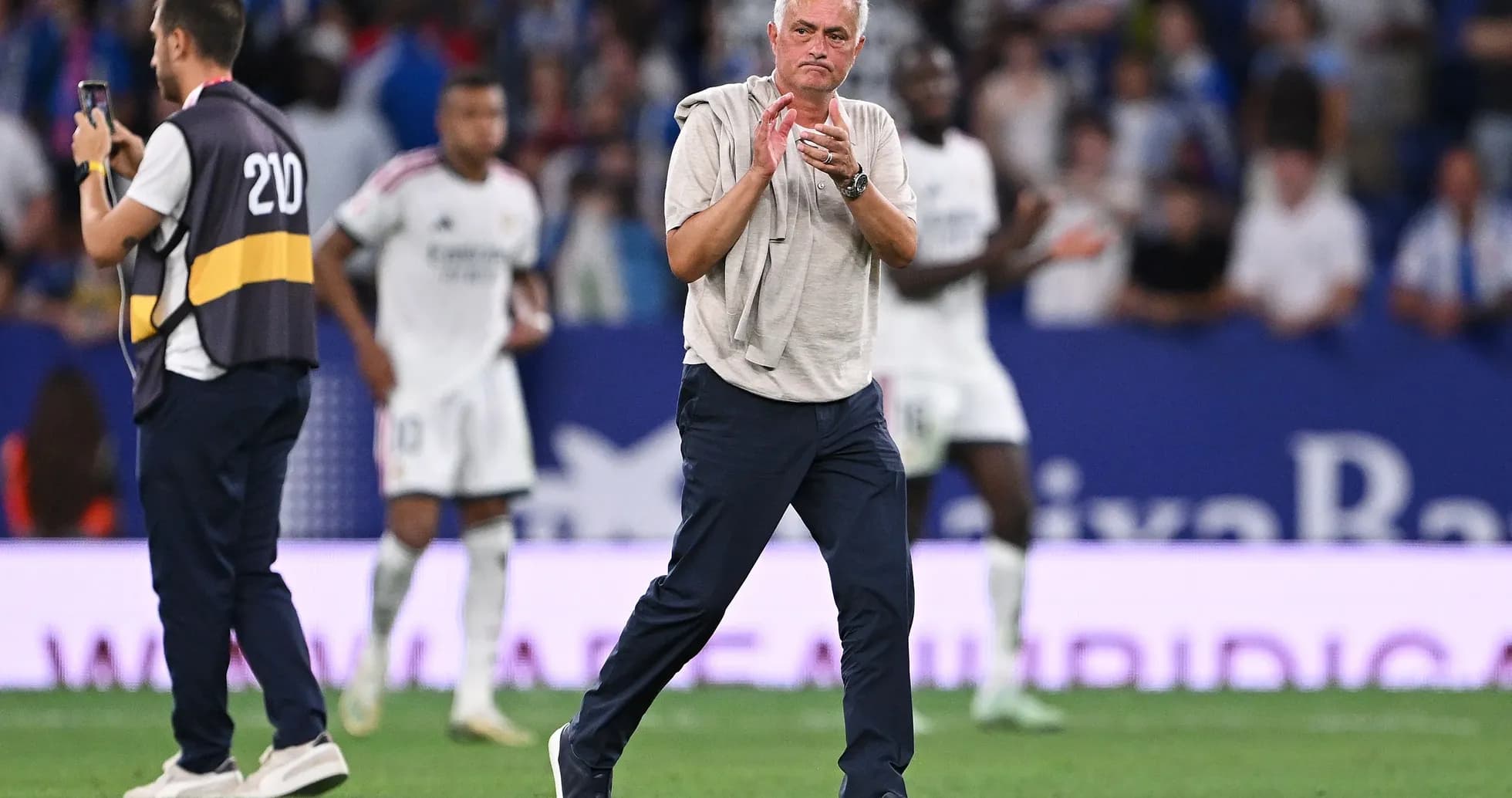
If José Mourinho wants to reimpose his trademark steel, that soft centre is the first big test. Fix that, and his Madrid will start to resemble his reputation. Ignore it, and the same storyline that dogged the past two seasons will creep back in.
The match drifted into the closing stages with the score locked at 1–1 and the tension rising. Espanyol sensed more than a point. Madrid, for all their talent, never quite managed to pin the game down, never stitched together the kind of sustained attacking spell that forces an opponent to break.
Then came the twist.
With the clock ticking into the 90th minute, Real Madrid turned to their bench for salvation. Espi, thrown into the fray, reacted quickest when chaos broke out inside the Espanyol box. A loose ball, a split-second of confusion in the defence, and he pounced. One fierce finish later, Madrid were 2–1 up, their first three points of the Mourinho era snatched at the death.
That goal underlined the value of fresh legs and sharp minds off the bench. It also disguised a harder truth. Madrid did not put this game to bed through sustained, controlled superiority. They did not overwhelm Espanyol. They escaped, capitalising on a single lapse rather than imposing a clear, coherent attacking plan.
On paper, Mourinho could hardly have asked for a better start: away win, late drama, dressing room bouncing. On the pitch, many of the same old problems resurfaced. The lack of varied attacking solutions. The struggle to dictate tempo for long periods. The defensive gaps that invite opponents to create chances they should never be allowed.
One game is too thin a sample to draw sweeping conclusions, especially with a new season just underway and a squad still absorbing a coach’s demands. But patterns have a habit of repeating themselves. If this loose control and fragile structure reappear against stronger sides, what looked like early-season rust in Catalonia will begin to feel like something deeper and far more stubborn.
For now, the record shows three points and a winning return for the Portuguese coach. The performance tells a different story, one that will linger long after the final whistle.
Did Real Madrid simply grind out a messy opening-day victory, or did we just watch the first chapter of the same old problems under a very familiar face?