Robert Elstone Joins Truro City as Advisor
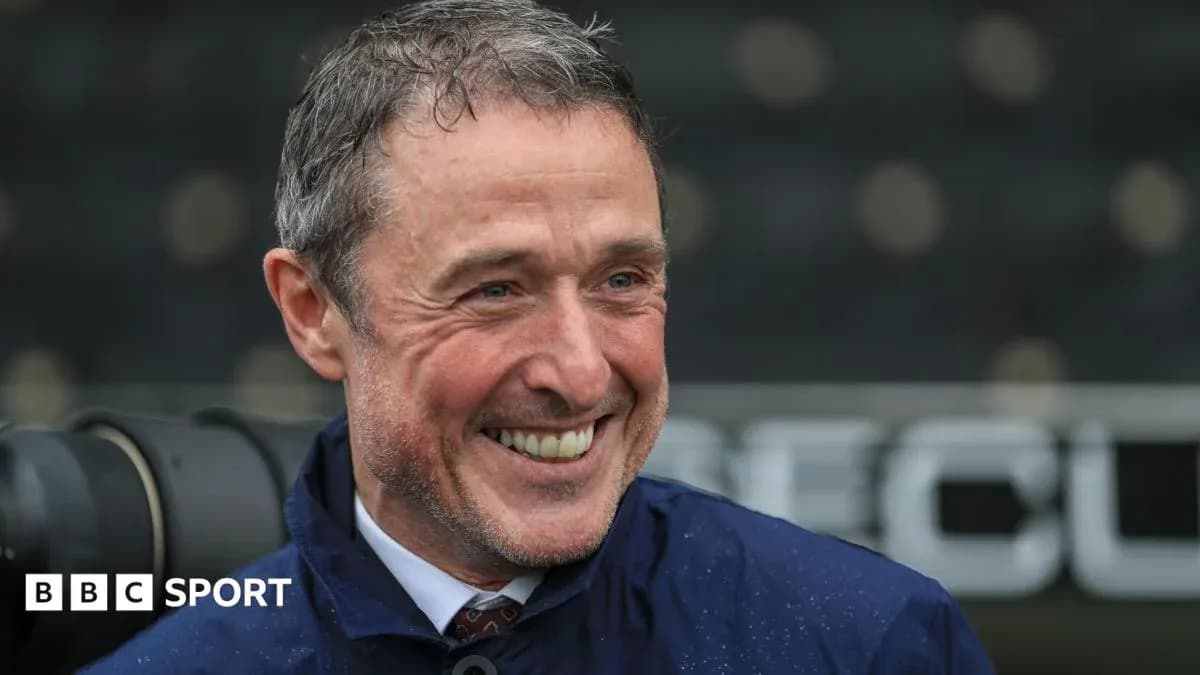
Robert Elstone, the former Everton chief executive and one-time boss of rugby league’s Super League, has stepped back into football with an advisory role at National League South side Truro City.
It is a heavyweight appointment for a club still nursing the bruises of relegation from the National League last season. Truro want a way back. Elstone’s job is to help show them the route.
The 60-year-old brings a CV that dwarfs the level he is walking into. He arrived at Everton in 2005 as chief operating officer, then climbed to the chief executive’s office in 2009, steering one of English football’s grand old clubs through a period of financial tightening and shifting ownership dynamics. In 2018 he crossed codes to become executive chairman of Super League, the governing body of top-flight rugby league in England, a role he held until 2021 before moving into advisory work with PwC.
Now his focus turns to Cornwall.
Elstone will work alongside Truro’s senior leadership, offering strategic guidance as the club tries to reset after dropping out of the fifth tier. His remit stretches across the football operation and the club’s associated charity, areas he believes carry significant untapped potential.
“Having met the club's senior management, I could not help but be impressed with the clarity of vision and determination for both the club and football charity to succeed,” Elstone told the club’s website. He spoke of a man used to the boardrooms of the Premier League, yet drawn to something different.
“I have been fortunate to have worked at the highest level in English football but find the uniqueness of this Cornish club compelling, and I see huge potential for success. Working at all levels of the club, I hope to help them in achieving their ambitions.”
This is not the first time Elstone has stepped into the non-league landscape. He previously advised Stockport County during their spell in the National League, a period that ended with the club’s return to the English Football League. That experience will not go unnoticed in Truro, where the challenge is similar, if not identical: rebuild structures, sharpen decision-making, and create a sustainable platform for promotion.
For a club operating far from the traditional powerbases of English football, the appointment signals intent. Truro are not simply hoping to bounce back; they are arming themselves with top-level expertise to do it.
The question now is how quickly that boardroom know-how can translate into momentum on the pitch in Cornwall.