Rodri's Bold Move to Barcelona: A New Football Frontier
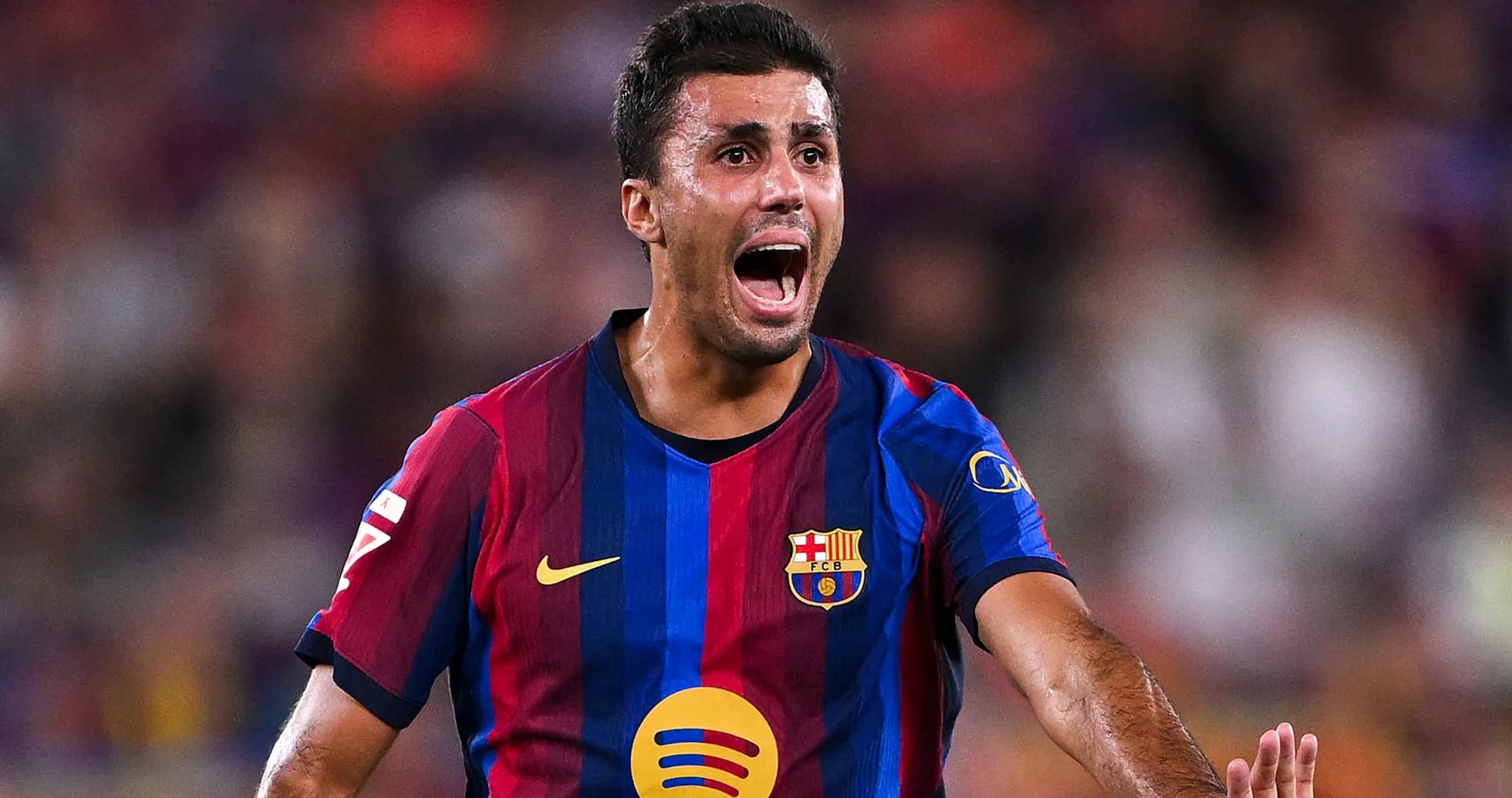
Rodri’s decision to walk away from Manchester City at the peak of his powers was always going to shake the summer market. The 30-year-old, fresh from lifting the 2024 Ballon d’Or, left the comfort and control of Pep Guardiola’s empire to dive into the chaos and expectation of Barcelona. Not to chase a bigger paycheque. Not to fuel a rivalry. To chase a football idea.
He had both of Spain’s giants at his feet. Real Madrid pushed hard, convinced they could bring the national-team lynchpin to the Bernabeu. Instead, they watched him choose the other side of El Clásico. For Madrid, that stung. For Rodri, it was the end of a long internal process.
“It’s been a process, rather than a decision,” he told Mundo Deportivo, laying out how his City chapter slowly closed.
First came the realisation that his cycle in Manchester was nearing its end, that the trophies and records no longer scratched the itch in quite the same way. Then came the moment Barcelona called.
From there, it moved quickly in his mind.
“The moment the opportunity at Barcelona arose, I realised it was the best thing for me for many reasons,” he said. Not the most lucrative offer. Not the easiest path. The best football project.
At the heart of it stood Hansi Flick and Deco. Barcelona’s head coach and sporting director sold him something that cut through the noise: a clear tactical plan and a squad profile that matched his ambitions. Rodri made it plain that he has always chosen his clubs through that lens.
“I’ve always based my decisions on sporting considerations – where I believe I’ll be able to win, be happy and, above all, develop as a player,” he explained. “And that’s why I’ve chosen Barca – also because of the generation of players they have and what Hansi is building there. Ultimately, Deco and Hansi, at the top of the organisation, convinced me.”
That conviction came at a cost. Saying no to Real Madrid is never a light choice for a Spanish international, especially when the club has done everything to seduce you.
“I had to weigh up a lot of things and make such an important decision between two of the best clubs in the world,” he admitted. The pull of the Bernabeu was real. The respect was mutual. “It wasn’t an easy decision at all; saying no to Madrid wasn’t easy, especially as they treated me exceptionally well.”
Yet the scales tipped towards Catalonia. Not because of a rivalry. Because of a feeling.
Rodri spoke about “what sparked a bit more enthusiasm” in him, a phrase that reveals as much as any tactical board. He looked at where he could win, yes, but also where he could stretch himself, where the project still felt unfinished and demanding.
The atmosphere Barcelona created around the negotiations mattered too. The club, so often accused of chaos and pressure, struck a different tone with their marquee target. Rodri described a courtship without ultimatums, without emotional blackmail.
He called it “very homely, like a family club”. No one pushed. No one cornered him. “At no point did they put any pressure on me whatsoever; everyone expressed their desire to have me on board, to work together, and to see what I could bring to the team,” he said. That approach resonated deeply. It was about his role on and off the pitch, not just the headline of a transfer coup.
“It was more about the football itself – what they understood I could bring both on and off the pitch, and I really liked that.”
Hovering in the background was another storyline: Real Madrid’s high-profile boycott of the Ballon d’Or ceremony, where Rodri edged Vinicius to claim the award. The optics were irresistible for outsiders. Madrid snub the gala, the winner later turns them down and joins Barcelona. A neat narrative, too neat for Rodri’s taste.
He dismissed any link between that controversy and his move. Those who know him, he insisted, understand how he operates.
“Anyone who knows me knows that I try to distance myself from that sort of thing, like the media hype,” he said. He framed his mindset in terms that will sound familiar to anyone who has watched him dominate a midfield without fuss or theatrics. “I focus on football. In that sense, I’m very English, aren’t I? The Premier League is football and little else.”
That line felt like a nod to the culture he is leaving behind and a challenge to the one he is stepping into. La Liga is drama, politics, spectacle. Barcelona is scrutiny, daily. Rodri has chosen that furnace on purpose, convinced that Flick’s blueprint and a rising generation around him can give him what he craves most: a new frontier to control.
He has already conquered England. Now he wants to shape Barcelona in his image. The question is simple, and brutal: in a club that lives permanently on the edge, can the calmest midfielder in world football bend the chaos to his will?