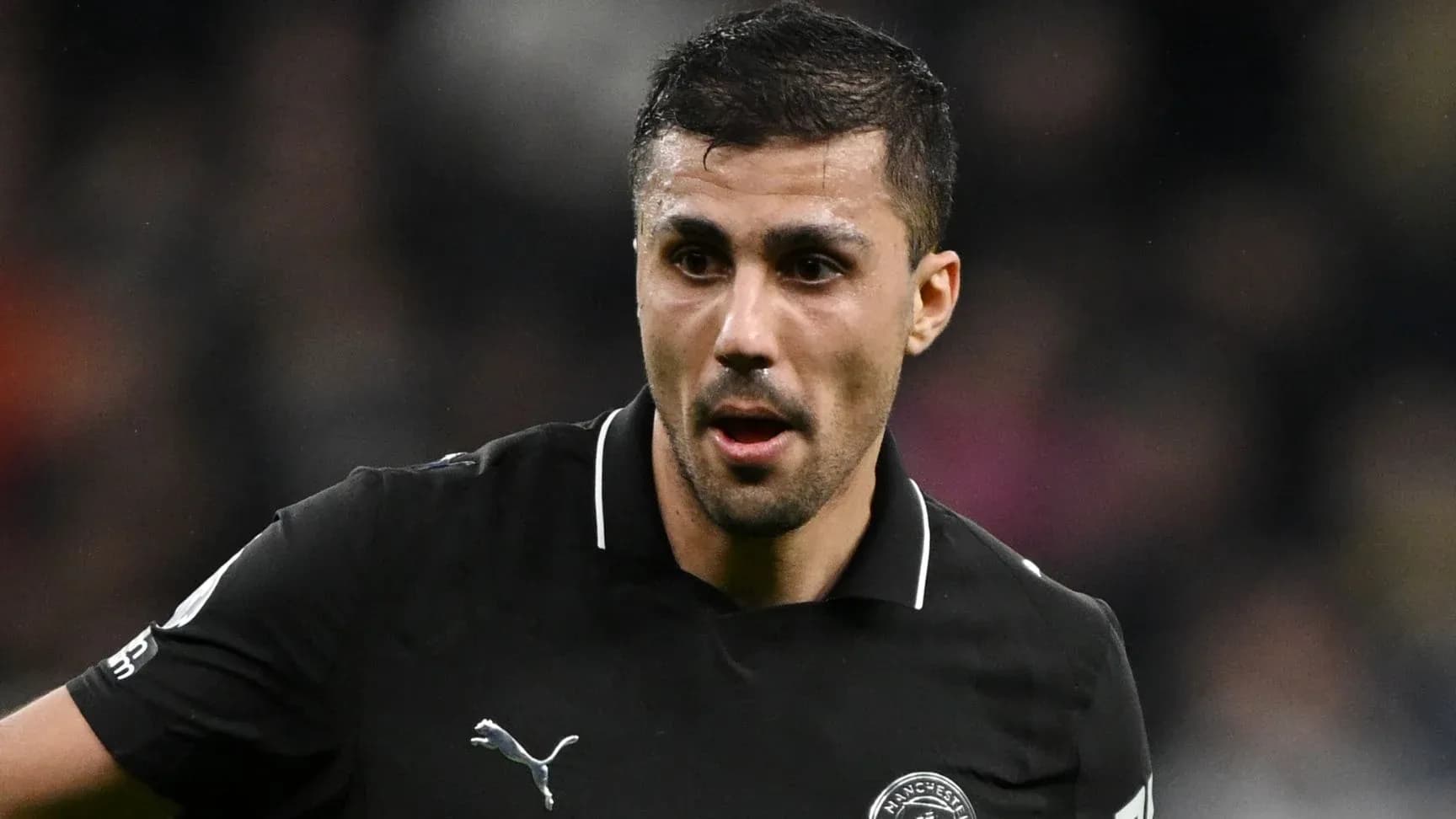
Rodri's Decision: From Waiting for Real Madrid to Joining Barcelona
Rodri once waited for Real Madrid. Right until the final hours of his Atletico Madrid spell, according to Marca, he held off, hoping for a call from the Bernabéu that never came.
It did not. Madrid already had Toni Kroos, Luka Modric and Casemiro ruling their midfield. So Rodri stopped waiting, triggered his release clause and walked into Pep Guardiola's Manchester City project instead.
That decision changed everything. Under Guardiola, Rodri evolved from promising pivot to the reference point of a generation, the metronome of club and country. The World Cup only underlined it, with the Spaniard setting a tournament record for completed passes in a single edition and hitting a success rate north of 93%.
This summer, the story circled back. Madridistas wanted him. The board, Marca reports, did not share that same conviction at first.
The World Cup shifted that stance. With Rodri entering the final year of his contract and Guardiola gone from Manchester City, the operation suddenly looked possible. A rare opening for a player at the peak of his powers.
Yet the move from Valdebebas came late. And without total faith. Rodri sensed it.
Inside Madrid’s offices, Marca uncovered a stark internal line that kept being repeated: “Rodri slows the pace of the ball down too much, and that is not what we are looking for.” For a midfielder who had just dictated a World Cup, it was a brutal assessment.
Club officials, the report says, wanted a more explosive, more dynamic profile in the middle of the pitch. Someone to inject power, not just control. That verdict stood despite the numbers, despite the records, despite the sense that Rodri had become the most reliable holding midfielder in the game.
Florentino Pérez and José Ángel Sánchez did pick up the phone. They spoke to the player, sounded out the possibility. But it never grew into one of those all-in, no-doubt pursuits that usually define Real Madrid’s biggest signings.
Barcelona went the other way. They launched a full court press.
Deco called. President Joan Laporta called. Coach Hansi Flick called. So did several Barça players. The message was unmistakable: they did not just want Rodri, they considered him central to what they intend to build.
Marca underlined that this was not about money. The financial offers from Real Madrid and Barcelona were described as very similar. The difference lay elsewhere.
Rodri chose the project.
Barcelona’s proposal, in his eyes, mirrored the football of Spain’s world champions: ball-dominant, positionally structured, with a clear identity running through the team. He saw stability, a defined idea, a framework into which his game could drop almost seamlessly.
Madrid’s project felt different. To him, Marca reports, it looked like a team still in transition, searching for its next definitive shape. For a player turning thirty, that uncertainty weighed heavily.
Once Rodri made up his mind, he acted with the same calm that defines his play. He called José Ángel Sánchez to thank the Real Madrid hierarchy for the respect shown during talks. Then he waited.
Barcelona still had to move Manchester City. That part was anything but simple. It took five separate attempts before the English champions finally agreed to let their midfield anchor go.
By then, the choice had long been made. The player who once waited in vain for Real Madrid will now line up in the colours of their greatest rival, convinced that the football he believes in lives, for the moment, in Barcelona.