Savinho's Record Move to Tottenham: A Statement for City Football Group
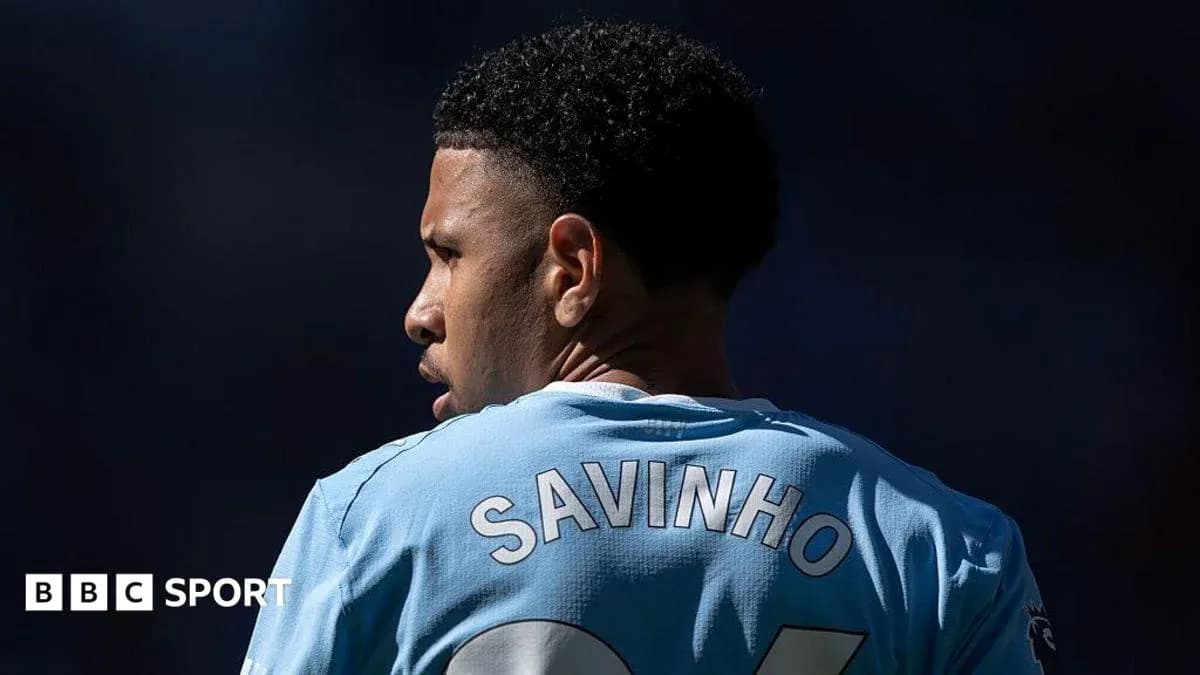
For the City Football Group, Savinho’s move to Tottenham is more than another big sale. It is a statement.
The £75m fee, with a further £10m in potential add-ons, will set a record for Manchester City, the flagship of CFG’s global network. A player who arrived in Europe as a teenage prospect, bounced through the group’s clubs and never kicked a ball for the one that first signed him, is about to leave as one of the most lucrative trades in their history.
From Troyes ghost to Girona star
Savinho’s journey through CFG has never been straightforward. Troyes broke their own transfer record to bring him in from Atletico Mineiro in 2022, only to watch him depart two years later without a single appearance. On paper, it looked odd. In practice, it was the start of a carefully managed tour.
At 18, he was packed off to PSV for the 2022-23 season. Then came Girona in 2023-24, another CFG outpost but one that proved the making of him. In Spain, he played. A lot.
- Thirty-seven league games.
- Nine goals.
- Eight assists.
Girona surged into the Champions League for the first time in their history and Savinho’s name sat in the La Liga team of the year. That was the season that changed his value, and his trajectory.
City moved quickly. They bought him from Troyes for £30.8m in 2024, a fee that raised eyebrows across the market. Was that the true going rate, or a number set inside the CFG ecosystem? The question lingered, even as his reputation grew.
A mixed Manchester spell, a massive profit
On the pitch in England, Savinho did not dominate. Across two Premier League seasons he scored only twice, though he laid on 12 assists. In pure sporting terms, his City career never reached the heights some expected.
Yet the numbers that really matter to CFG tell a different story. Turn £30.8m into £75m, with the possibility of hitting close to £70m profit once bonuses are counted, and you have a model case in modern player trading.
City can still argue there is sporting merit in that arc as well. Sign an 18-year-old from South America, develop him across your network, bring him into the first team and then sell him for a record fee four years later. For a group that sees Manchester City as the pinnacle of its ladder, that pathway is the point.
Savinho’s first season under Pep Guardiola underlined why Tottenham were willing to go so high. Forty-eight appearances in all competitions, 16 goal contributions, and eight Premier League assists – more than any of his team-mates that year. He might not have become a superstar at the Etihad, but he became valuable.
“It’s a success story for the group,” said CFG’s managing director of global football, Brian Marwood, speaking to BBC Sport. In CFG’s world, players are both performers and assets. Savinho has been both.
Girona’s view and City’s dilemma
Inside Girona, they knew what they had. Director of football Quique Carcel admitted they wanted Savinho for another year once Champions League qualification was secured. The logic was obvious: a young winger already decisive in La Liga, about to test himself on Europe’s biggest stage.
But City were watching too. Guardiola and Txiki Begiristain weighed up whether to keep him in Manchester or let him continue in Catalonia. A year of Champions League football with Girona was tempting; a place in City’s first-team squad was definitive.
Once the call came from Guardiola and Begiristain that they saw him as ready for City’s squad, the player’s mind was made up. The pathway had done its job.
Now, that same pathway ends at Tottenham. Spurs are accused in some quarters of overpaying. Only Savinho’s performances in north London will settle that argument.
CFG, though, will track every step with interest. Their model depends on stories like this.
A machine that prints money – and players
Savinho’s sale drops into a wider trend. Manchester City, as a club, have become ruthlessly efficient at turning young talent into major income. Over the past five years, they have banked more than £250m from academy and development sales alone.
- Morgan Rogers,
- Douglas Luiz,
- Cole Palmer,
- Liam Delap,
- Oscar Bobb
– each part of a growing list of players who learned their trade at City and then moved on, often to direct rivals. The figures keep climbing.
Some deals sting in hindsight. Rogers left for Middlesbrough in February 2024 for an initial £8m; Chelsea paid £117m for him last month. Palmer, sold to Chelsea for £40m in 2023, would now command a far higher fee if he ever left Stamford Bridge.
That is the risk in this business. Sell too early and you watch the value explode elsewhere. Hold too long and you can miss the market. CFG know both sides of that equation.
“To find a balance between recruiting players for sporting success and ones that could become more of an asset in the future is difficult,” Marwood admitted. The group has hits and misses. Oleksandr Zinchenko, Taty Castellanos, Jack Harrison – examples of players who came in young, adapted, and built strong careers. Others never quite make the leap.
That unpredictability is baked into the system. Some prospects become Champions League regulars. Others vanish down the pyramid. CFG simply aim to stack the odds in their favour.
The next wave already forming
Even as Savinho packs for London, City’s gaze has moved on. The question inside the group is simple: who is next?
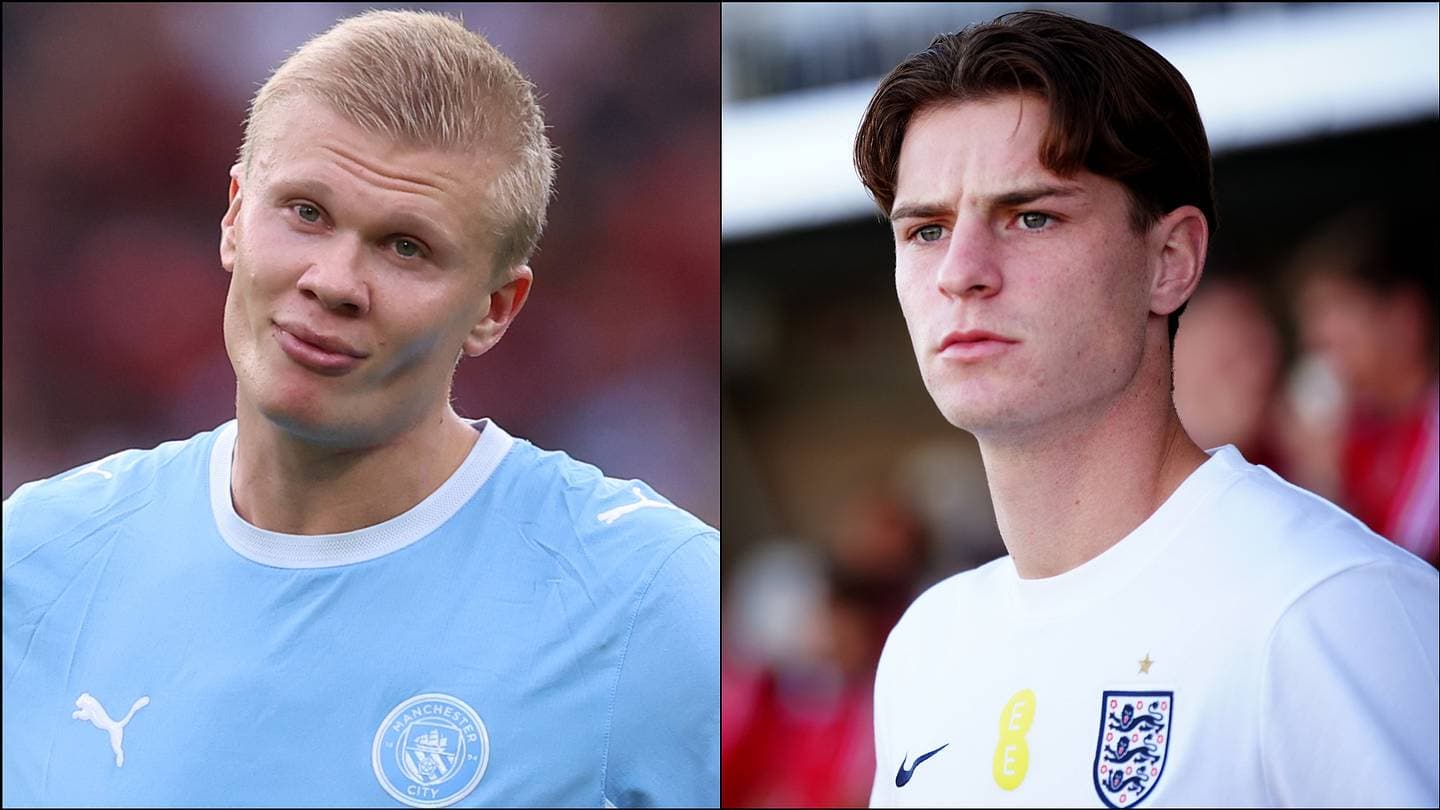
Ryan McAidoo, an 18-year-old who has already tasted senior football at City, carries high expectations. Vitor Reiss, who spent last season on loan at Girona, is tipped to follow the same path Savinho walked – only this time with the benefit of a proven blueprint.
Beyond Manchester, the radar stretches across the network. In Japan, 16-year-old Shin Miidera at Yokohama F. Marinos is under close watch. In the United States, Cavan Sullivan, another 16-year-old, is developing at Philadelphia Union and is already lined up to join City when he turns 18.
This is how CFG see the game: a global web of clubs feeding into one central machine, with Manchester City at its heart. Not every player will arrive there. Not every player needs to. Some will be “good assets for the group”, as Marwood puts it, even if they never pull on a City shirt.
“In an ideal world you would love for them to stay with you from the beginning right through to the very end – but the reality is it’s probably not going to happen,” he said. The challenge, as he framed it, is constant: Savinho has gone. Where is the next one?
That question drives the operation. Build a hub of young talent. Use the network to give them minutes. Create a conveyor belt that feeds the first team and the balance sheet.
Savinho’s sale shows what the top end of that conveyor belt can look like. The real test for CFG now is simple: can they keep producing deals – and players – of this scale, on the pitch and on the books, as the stakes in world football keep rising?