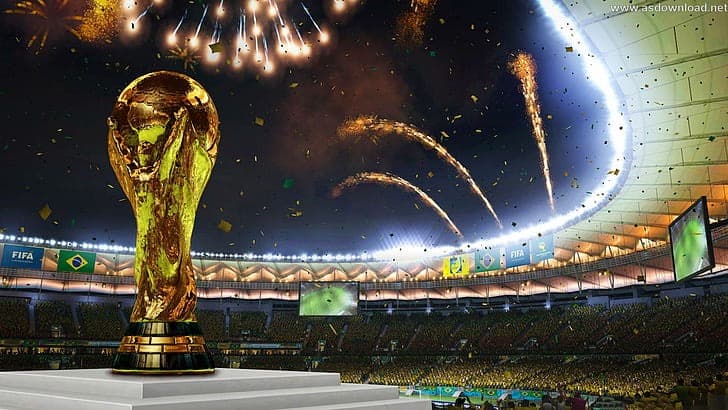
The Surprising Twists of the 2026 World Cup
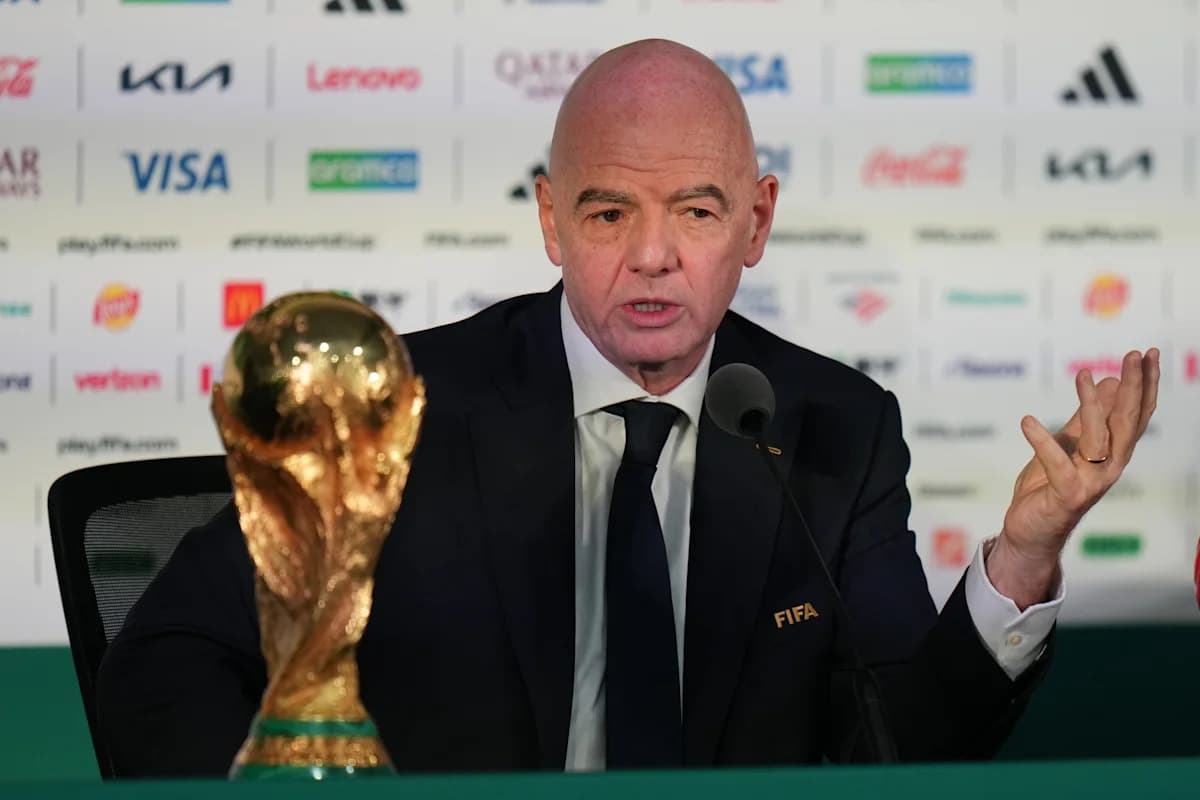
When FIFA revealed the 2026 World Cup would grow to 48 teams, many doubted it would maintain excitement. Critics feared the group stages might drag on and that overall quality would drop. Yet, as matches unfold across the United States, Canada, and Mexico, this larger tournament has brought unexpected unpredictability.
Unlike Qatar 2022, which felt dominated by established giants, this summer’s event has tossed out tradition. Past reputations barely matter now, making the knockout rounds especially gripping.
Top Teams Stumble, Underdogs Rise
With 48 teams, the usual seedings lose sharpness. Big names expected smooth passage but instead faced well-prepared opponents with diverse tactics. This format lets quietly built squads emerge and punish any complacency.
Brazil’s exit stands out. Despite a roster filled with Champions League stars, they fell 2-1 to Norway in New Jersey. Norway’s aggressive pressing and Erling Haaland’s strength overwhelmed Brazil’s defense.
Another surprise came in Boston where Germany, despite their troubled state, was ousted by Paraguay. After a harsh 4-1 loss to the USA in groups, Paraguay showed resilience. They absorbed German pressure, then won 4-3 in penalties, proving a stubborn defense remains powerful.
Cape Verde captured hearts too. With just over half a million people, they stunned Spain to a goalless draw and pushed reigning champions Argentina to extra time before a narrow 3-2 defeat. Their run shows how the expanded format offers minnows a real chance to challenge the usual hierarchy.
A Grueling Test of Endurance
The sheer number of games has reshaped the physical demands. Before, top teams could relax early, rotating players to save energy. That is no longer possible. The added Round of 32 lengthens the journey and has left powerhouses visibly worn out.
Argentina’s match against Egypt in Atlanta highlighted this fatigue. Egypt took an early two-goal lead with a bold game plan, while Argentina looked sluggish and drained. Lionel Messi’s first-half penalty was saved, signaling tired legs and minds. Coach Lionel Scaloni’s adjustments sparked a frantic 3-2 comeback late in stoppage time, but it felt more like survival than dominance. This format turns knockouts into battles of stamina as much as skill.
Elite Teams Still in the Hunt
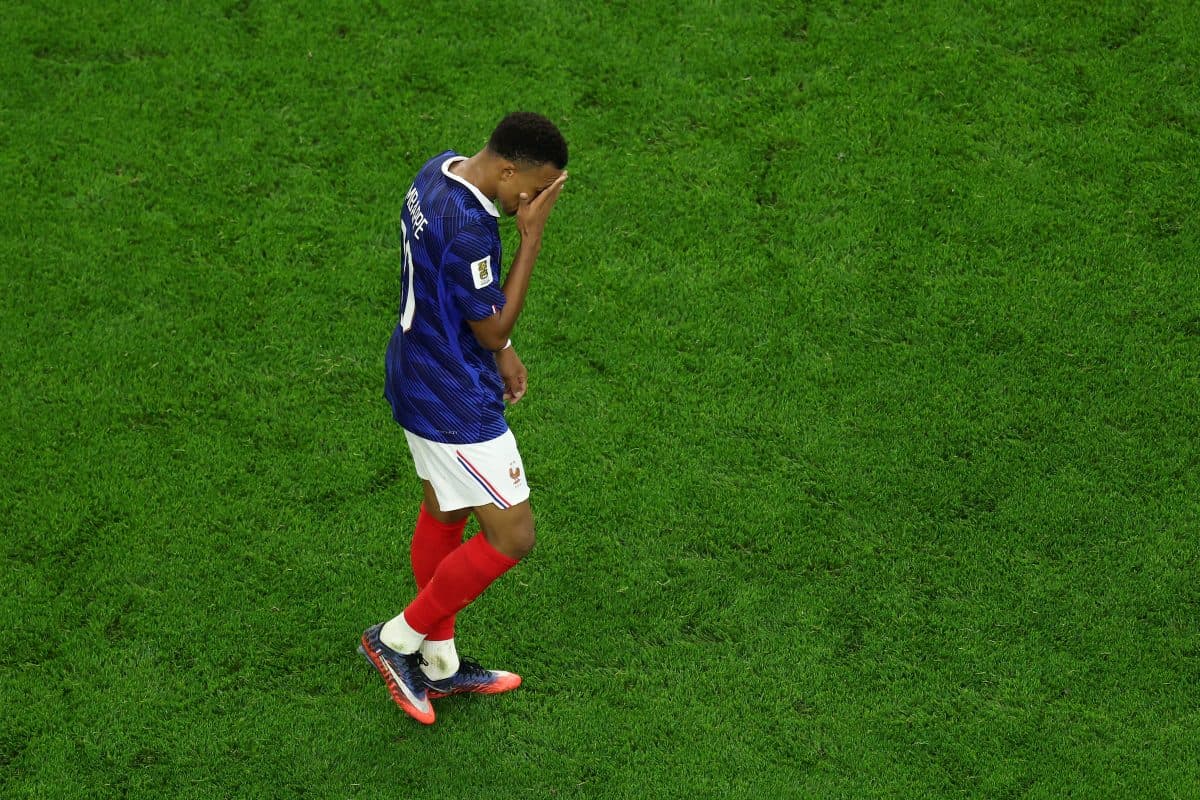
Despite chaos, giants haven’t disappeared. France has cruised with ruthless efficiency, reminding why they remain favorites. Spain and Argentina also advanced through tricky early rounds, keeping the traditional elite alive.
Looking ahead, the quarter-finals mix heavyweights with unexpected names. Betting odds favor France to win, with Spain and Argentina close behind. England, after a tough defensive effort to beat Mexico, remains a strong contender. Bookmakers predict the trophy will stay with familiar powers, with big gaps separating them from outsiders like Norway or Morocco.
The 2026 World Cup strikes a balance between star power and thrilling uncertainty. Top teams face fierce challenges from nations like Cape Verde, Paraguay, and Egypt. This unpredictability makes tournament football exciting because, as recent weeks show, past success offers no guarantees once the whistle blows.