Tony Popovic's Socceroos Future: Short Contract, Long-Term Vision
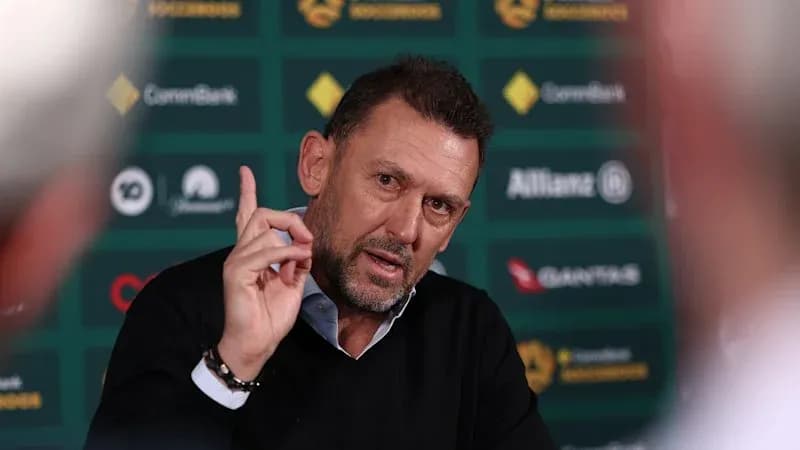
Tony Popovic has one hand on the Socceroos job – and the other on the door.
Offered a four-year contract to lead Australia through to the 2030 World Cup, he said no. He chose a deal that expires at the end of January’s Asian Cup in Saudi Arabia instead, and he’s at peace with the idea that it might be the end.
“I love coaching the Socceroos,” he said on Tuesday in his first media appearance since Australia’s controversial World Cup exit. “It was my choice to go until the Asian Cup. Although I was offered a four-year deal, I decided to go to the Asian Cup … it also gives the FA an opportunity; if they want to go in a different direction, they can.
“I’m very comfortable with the decision that’s been made … if I leave a week later, I’ll still be comfortable with that.”
Short contract, long view
The revelation underlines the faith Football Australia had in Popovic. His extension was actually signed on the eve of the World Cup, before a ball was kicked in the United States. FA were ready to hand him another full cycle. He declined.
Job security, he insisted, never entered his thinking. If it had, his World Cup squad would have looked very different.
Popovic pointed to the bold selection calls that defined his campaign: four of the eight youngest starting XIs at the tournament were his. He left out 14 players who had featured in the decisive June 2025 qualifiers against Japan and Saudi Arabia, ripping up a large portion of the old guard to fast-track a new core.
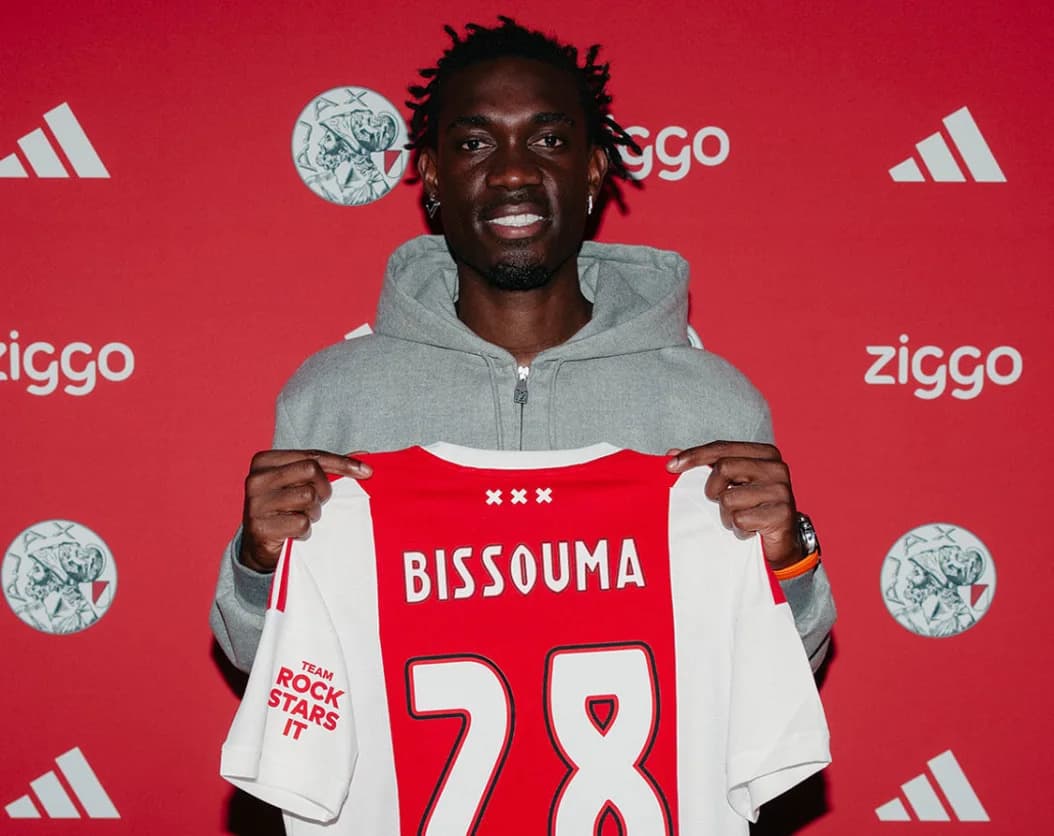
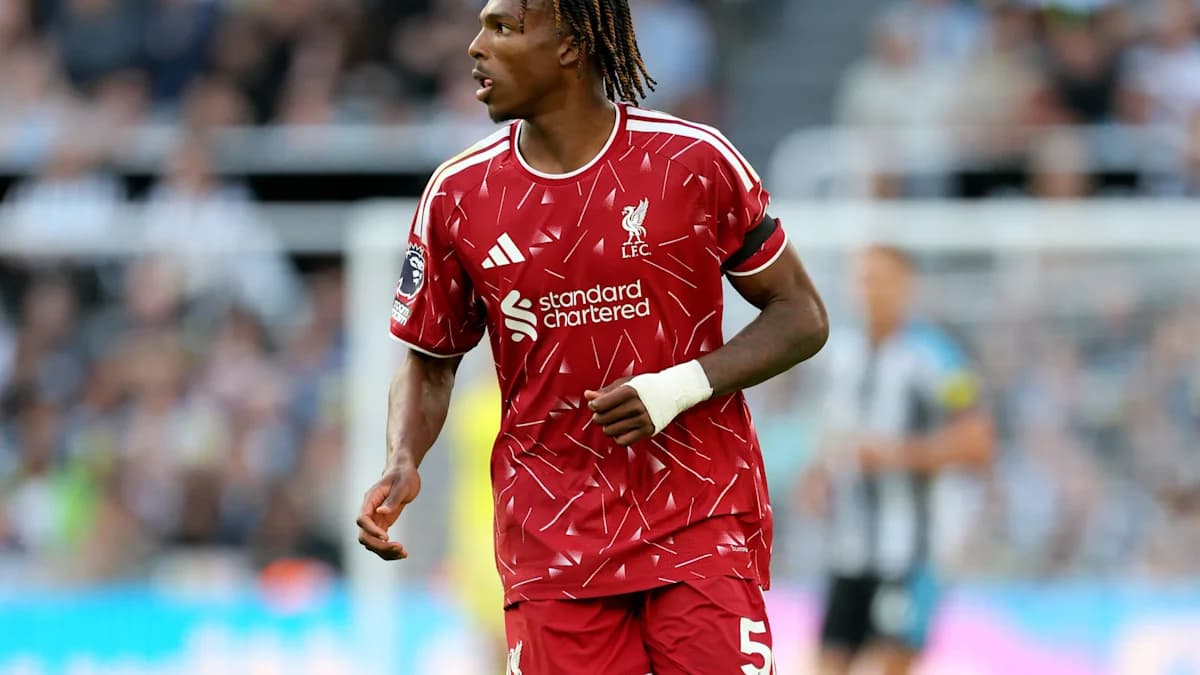
- Lucas Herrington
- Nestory Irankunda
- Paul Okon-Engstler
- Mohamed Toure
– players who, on paper, are building towards 2030 and 2034 – were thrown into football’s harshest spotlight years before their peak.
“That needs to happen,” Popovic said. “We need to create a pool of players that in four years, if we are fortunate enough to be at a World Cup … then you want to be in a better position with the starting players and the players that can come on and make a difference.”
He plans to keep pushing down that path. Brazil await in Queensland later this month, and he flagged “a few fresh faces” for those friendlies. The Asian Cup squad will again skew young, with a minimum benchmark of reaching the semi-finals.
Living with Egypt, and the USA
The scars from the World Cup are still fresh. Australia’s round of 32 exit to Egypt, sealed on penalties, triggered fury among sections of the fanbase and pundit class. Popovic said he understood the anger, but he did not back away from his decisions.
If he had his time again, he would handle the shootout exactly the same way. Maty Ryan still comes on late for Patrick Beach. Harry Souttar and Herrington still step up and take their penalties, even though both missed.
His only real regret lies elsewhere.
After the 2-0 shock over Turkey in the opening match, Popovic made two high-profile changes for the second group game against co-hosts USA. Irankunda and Connor Metcalfe, the goalscorers from that famous win, dropped to the bench. Mathew Leckie and Nishan Veliupillay came in. Australia were “outrun, outfought, out-duelled … whatever you want to call it,” Popovic admitted.
Looking back, two changes felt too conservative.
“Part of me thinks I should have made more changes to the line-up, because I could sense the euphoria [from the Turkey win] and what it took out of a young group leading into the game,” he said. “We looked really fatigued in training. Maybe that’s the one I thought, I should have made more, and I felt that in the first half, after about five or 10 minutes, that we looked flat.”
Irankunda and Metcalfe returned to the starting XI against Paraguay and performed strongly. Popovic suggested that performance only reinforced his sense that freshness, not selection logic, was the decisive factor.
A squad running on empty
For Popovic, the World Cup story is as much about conditioning as it is about tactics.
Across the six months before the tournament, Australia’s attacking players completed just 23 full matches at club level between them. Ten of those belonged to Ajdin Hrustic alone. The rest arrived underdone.
“When it gets to that 60th or 70th-minute mark ... they are fatigued, they are exhausted, they have nothing left,” Popovic said. “That’s what we had. We knew that before the World Cup, and we knew we’d have to juggle those players through games to try and get the best out of them and to have an impact.”
That lack of endurance, coupled with a thin bench, bit hardest when the stakes rose and the tempo spiked. It’s where he believes Australia were exposed most clearly – not in courage or structure, but in the ability to sustain intensity.
Legacy over longevity
All of which feeds back into his contract stance. Popovic is building for tournaments he openly doubts he will coach.
His decisions – to pick kids, to cop the backlash, to risk short-term results – are framed around leaving a stronger, deeper national team for whoever comes next. If FA want that person to be him, the Asian Cup will give them their proof. If not, he walks away believing he has set the foundations.
He has already chosen the short road. The question now is whether it leads to a parting handshake in Saudi Arabia, or a second chance to finish what he has started.