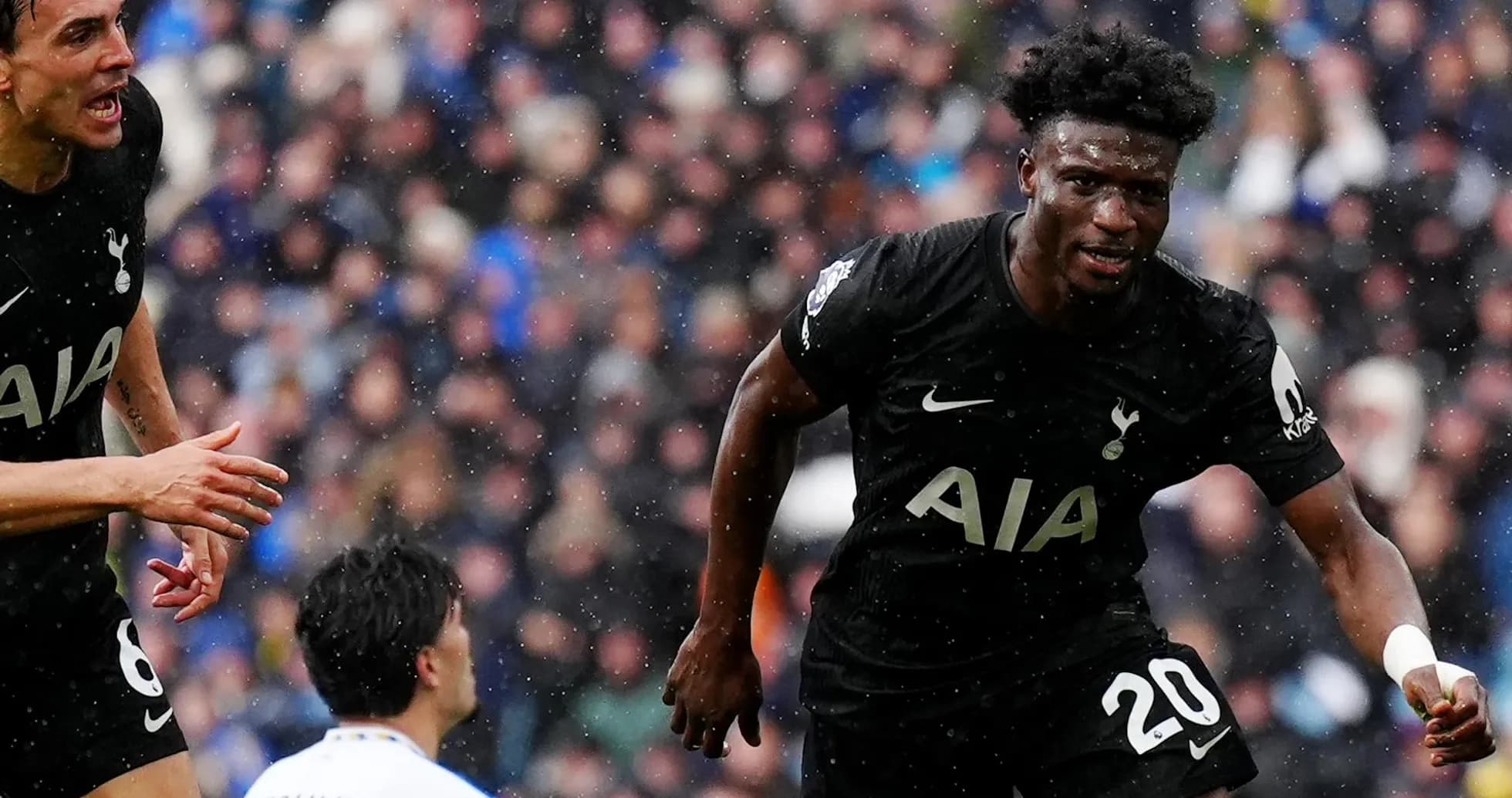
Tottenham vs Leeds: High-Stakes Premier League Clash
Tottenham welcome Leeds to the Tottenham Hotspur Stadium on 11 May 2026 in a late-season Premier League meeting that feels far more tense for the hosts than the visitors. With three games left and only a thin cushion above the relegation places, 17th‑placed Tottenham are still looking over their shoulder, while Leeds arrive in North London in 14th, safer and in better form but still not mathematically out of danger.
The stakes are clear: Tottenham need points to avoid being dragged into the bottom three in the final weeks; Leeds, six points better off, can all but secure their status with a positive result.
Context and form
In the league, Tottenham sit 17th with 37 points from 35 matches and a goal difference of -9 (45 scored, 54 conceded). Their recent form line of “WWDLL” hints at volatility: two wins, followed by a draw and back‑to‑back defeats. Across all phases, the underlying numbers are stark: only 9 wins in 35, and a particularly poor home record.
At the Tottenham Hotspur Stadium, they have played 17 league games, winning just 2, drawing 5 and losing 10. They have scored 20 and conceded 30 at home, averaging 1.2 goals for and 1.8 against. They have managed only 2 home clean sheets and failed to score 3 times. This is a side that has struggled badly to impose itself on its own turf.
Leeds, by contrast, come in with momentum. They are 14th on 43 points, with a goal difference of -5 (47 for, 52 against) and a form line of “WDWWD” in the league. Across all phases they have 10 wins, 13 draws and 12 defeats from 35 games, and their recent uptick is largely driven by improved resilience.
Home form has been Leeds’ foundation – 8 wins and just 5 losses at Elland Road – but their away record tells a different story: 2 wins, 8 draws and 7 defeats from 17 away games, with 19 scored and 31 conceded. They average 1.1 goals for and 1.8 against on the road, with only 2 away clean sheets and 6 away blanks. They are harder to beat lately, but still vulnerable when they travel.
Tactical tendencies
Tottenham’s season-long data paints the picture of a team searching for the right structure. Across all phases, they have used six different formations, but there is a clear default: 4‑2‑3‑1 has been deployed 16 times, with 4‑3‑3 used 9 times. There have also been occasional switches to 3‑4‑2‑1 and 3‑5‑2, but the core idea remains a back four with either a double pivot or a three‑man midfield.
The numbers suggest a side that wants to build through attacking midfielders and wide forwards but is often exposed in defensive transition. Conceding 54 goals in 35 games, and particularly 30 at home, underlines structural issues. Their biggest home win across all phases is 3-0, but they have also suffered a 1-4 home defeat, and their longest losing streak is five matches. The eight clean sheets (only two at home) highlight how rarely they control games without giving up clear chances.
Leeds are more flexible in shape. They have most often lined up in a 4‑3‑3 (12 times), but there has been heavy use of three‑centre‑back systems: 3‑5‑2 (9 times) and 3‑4‑2‑1 (6 times), plus occasional 5‑4‑1 and other variants. This tactical elasticity has allowed them to adjust to opponents, sometimes sitting deeper with a back five, sometimes pressing higher with a front three.
Across all phases they have scored 47 and conceded 52, almost mirroring Tottenham’s output. Their biggest away win is 1-3, but they have also suffered a 5-0 away defeat, underlining a tendency for away matches to swing wildly if the structure breaks down. With only 7 clean sheets in total (2 away) and 11 games where they have failed to score, Leeds oscillate between compact and fragile depending on the game state and setup.
Discipline could matter in a high‑pressure fixture. Tottenham’s yellow cards are heavily concentrated between 61‑75 minutes (25% of their yellows), suggesting they can become stretched and reactive as legs tire. They have also seen red four times across all phases. Leeds pick up a high share of yellows in the 61‑75 window as well (23.73%), and have one red card, coming between 46‑60 minutes. A late, nervy spell feels likely if the game is close.
Key players and penalty profiles
In attack, the standout names from the season data are clear.
For Leeds, Dominic Calvert-Lewin has been central. Across all phases he has 12 league goals and 1 assist in 32 appearances (27 starts), with 62 shots and 31 on target. He is a classic focal point: 437 duels contested, 171 won, and a high volume of fouls both drawn (37) and committed (43). He offers a constant outlet for long balls and crosses, and his presence will test a Tottenham defence that has struggled aerially and under pressure.
From the spot, Calvert-Lewin has scored 3 penalties and missed 1. That record means he is dangerous from 11 metres but not infallible; if Leeds win a penalty, there is threat but not certainty.
For Tottenham, Richarlison has been the primary attacking reference. Across all phases he has 10 league goals and 4 assists in 29 appearances (17 starts), with 39 shots and 23 on target. He has also created 17 key passes, matching Calvert-Lewin in chance creation volume, and his work rate is reflected in 25 tackles and 281 duels (116 won). Used both centrally and from the left, he is crucial to Tottenham’s ability to press and to attack the box.
Richarlison has no penalties scored or missed this season, so Tottenham’s penalty profile is essentially a non-factor in the data: the team as a whole has taken none, and there is no established spot‑kick pattern to lean on.
Head‑to‑head: recent history
Looking at the last five competitive meetings (all in the Premier League), Tottenham have a clear edge.
- On 4 October 2025 at Elland Road, Leeds 1-2 Tottenham – Tottenham won away.
- On 28 May 2023 at Elland Road, Leeds 1-4 Tottenham – Tottenham won away.
- On 12 November 2022 at the Tottenham Hotspur Stadium, Tottenham 4-3 Leeds – Tottenham won at home.
- On 26 February 2022 at Elland Road, Leeds 0-4 Tottenham – Tottenham won away.
- On 21 November 2021 at the Tottenham Hotspur Stadium, Tottenham 2-1 Leeds – Tottenham won at home.
Across these five league meetings, Tottenham have 5 wins, Leeds have 0, and there have been 0 draws. The scorelines also underline a trend: every one of those games produced at least three goals.
Match dynamics and likely patterns
Given Tottenham’s desperate need for points and their poor home record, this fixture sets up as a test of nerve and structure. The hosts are likely to revert to their most familiar 4‑2‑3‑1, with an emphasis on getting bodies around Richarlison and trying to sustain pressure in the Leeds half. However, their defensive numbers and card profile suggest that if they over‑commit, gaps will appear, especially as the game moves into the final half-hour.
Leeds’ away record and tactical flexibility point towards a more reactive plan. A 3‑5‑2 or 3‑4‑2‑1 would allow them to crowd central areas, track Tottenham’s attacking midfielders and then release Calvert-Lewin quickly into space. With Tottenham conceding an average of 1.8 goals per home game and Leeds scoring 1.1 per away game, transitions and set pieces could be decisive.
The psychological edge in the head‑to‑head clearly belongs to Tottenham, but current form leans towards Leeds. Tottenham’s recent “WWDLL” run suggests volatility and pressure; Leeds’ “WDWWD” indicates a team that has learned how to avoid defeat.
The verdict
Balancing form, data and context, this feels like a tense, high‑stakes game more than a showcase. Tottenham’s need is greater, and their perfect recent record against Leeds in the league cannot be ignored, but their home numbers are so poor that a straightforward home win is hard to forecast.
Leeds have been stubborn on the road, drawing 8 of 17 away matches, and their current momentum plus Calvert-Lewin’s presence give them a real chance to exploit Tottenham’s defensive frailties.
A narrow, nervy contest is likely. Tottenham’s desperation and attacking talent should be enough to avoid defeat, but Leeds’ organisation and counter‑threat point strongly towards the points being shared. A draw, with both sides scoring, looks the most logical outcome.