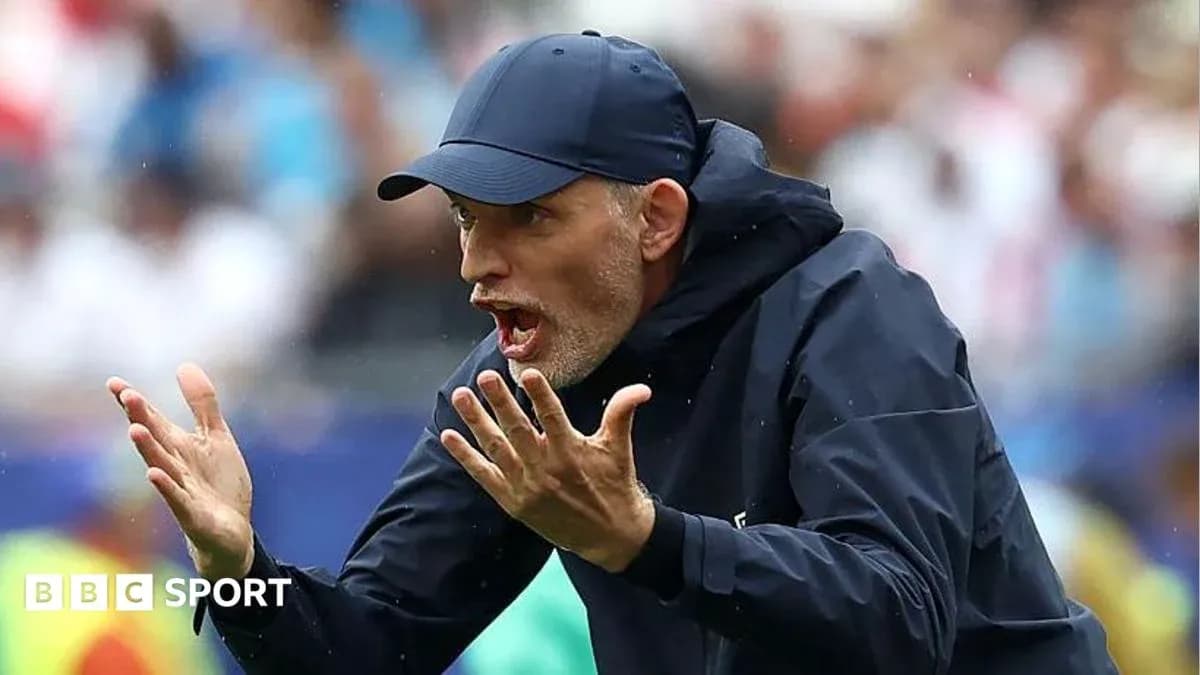
Tuchel's England Faces DR Congo in World Cup Knockout Round
Thomas Tuchel has always loved a storyline. Now his England team has reached the part of the World Cup where the script can be ripped up in a single bad half.
The head coach calls it “the third chapter” of his mission: after the Miami training camp and a largely routine stroll through Group L, the tournament starts for real on Wednesday in Atlanta against DR Congo. From here, one misstep and the book closes.
A job done – but not yet convincing
England arrive in the last 32 with the basics ticked off. Top of the group. Unbeaten. Wins over Croatia and Panama wrapped around a flat, goalless draw with Ghana. Functional rather than thrilling.
Tuchel has treated the group stage like a laboratory. Rotations. Minute management. Tactical tweaks. Some of it by choice, much of it forced by the growing casualty list that has turned his defence into a puzzle with missing pieces.
The stakes, though, have changed. This is now a World Cup laced with jeopardy. Germany out to Paraguay on penalties. The Netherlands dumped by Morocco, costing Ronald Koeman his job inside a day. Brazil needing stoppage time to scrape past Japan. Every heavyweight can feel the trapdoor under their feet.
Tuchel knows it. He also knows exactly where England look most likely to fall.
A defence on edge
Wayne Rooney summed it up bluntly. “The area of the pitch you want stability in is your goalkeeper and back four. With the back four we haven't had that.”
He is right. England’s goalkeeper is settled – Jordan Pickford remains immovable – but almost everything in front of him feels temporary.
The alarm bells started ringing before a ball was kicked. Tino Livramento never made it to the tournament. Reece James arrived with a history of muscle problems and then, almost inevitably, pulled up with a hamstring injury against Croatia. Tuchel admitted his surprise. Few others shared it.
When James’ understudy Jarell Quansah then went down against Panama, the right side of England’s defence became a fault line. Both will miss the DR Congo tie. Tuchel insists they are “getting closer and closer”, with Quansah slightly ahead, but that does nothing for Wednesday.
So Djed Spence is the last specialist right-back standing. Tuchel could slide Ezri Konsa across and bring John Stones back into the centre, but that only underlines the juggling act. Stones started just five Premier League games last season before leaving Manchester City. James managed only 20 for Chelsea. These are not players conditioned for a relentless tournament.
Tuchel’s preference for defenders who can operate in multiple roles has given him options on paper, yet stripped him of the one thing every major contender craves: a settled, specialist back line. If Brazil await in a quarter-final in Miami, and Vinicius Jr is darting down that flank, England will need more than versatility. They will need a defender built for that duel, not a stopgap.
For now, it is patchwork and compromise, with Tuchel trying to find stability in motion.
The one man England cannot lose
If the back four is England’s problem area, central midfield is their insurance policy – and its most important clause is named Declan Rice.
The Panama game hammered that home. Tuchel rested Rice, sensibly, after group qualification was secured and with the Arsenal midfielder on a yellow card and nursing his own hamstring concern. He had also taken a whack on the calf against Ghana.
England still won 4-1, but the scoreline disguised the reality. They allowed 13 shots. They were open to counters. Elliot Anderson, left to patrol the centre almost alone while Jude Bellingham and Morgan Rogers pushed forward, was swamped. The structure frayed. A stronger side than Panama would have punished them.
Rice changes all of that. He shields an unsettled defence, reads danger early, and still finds the time and composure to launch attacks. His passing from deep, his ability to step into space, his set-piece delivery – all of it makes England look like a grown-up team.
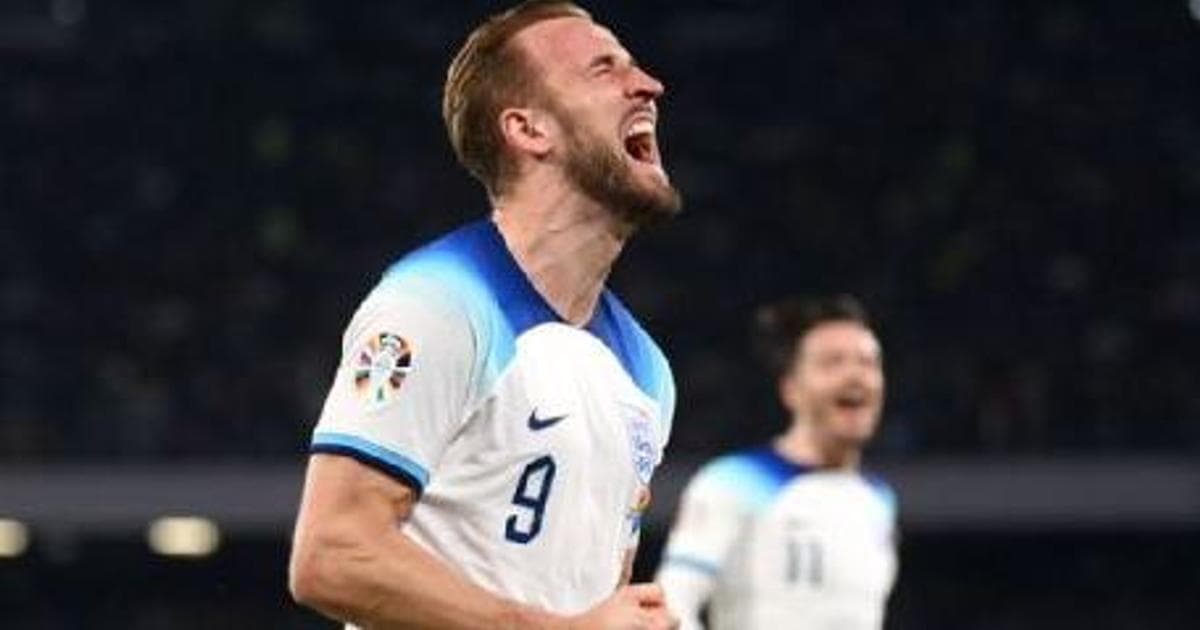
Alongside Harry Kane and Bellingham, Rice has become non-negotiable. Tuchel can rotate around him; he cannot replace him.
Tuchel’s tightrope
Tuchel has always projected control. Even now, with injuries biting and the knockout rounds turning every decision into a potential headline, he talks about calm rather than fear.
“There is no percentage of over-confidence in our approach,” he said in Atlanta. “The games in the round of 32 speak a very clear language. It is very narrow margins. It actually makes me more calm than nervous.”
He knows what this World Cup is doing to reputations. Nagelsmann under fire in Germany. Koeman already gone. Carlo Ancelotti’s Brazil pushed to the brink by Japan. One bad night and the narrative flips.
Tuchel has tried to get ahead of that. He has balanced minutes, protected key players, and resisted the temptation to ride his stars too hard, too early. Resting Rice against Panama was pragmatic. Managing Bukayo Saka’s Achilles problem, even as the Arsenal winger finally started his first game of the tournament, was another calculated risk. Saka lasted 63 minutes. Whether Tuchel trusts his fitness enough to start him again against DR Congo is a decision that will shape England’s attacking edge.
The head coach is also wrestling with expectations. “We are the favourites,” he said. “We play against our own expectations. We expect to go further than the round of 32, so why should the public not expect that?”
He has invited the pressure in. Now he must carry it.
Knockout football, knockout jeopardy
Inside the futuristic, climate-controlled bowl of the $1.6bn Atlanta Stadium, England will be spared the city’s oppressive heat. They will not be spared the tension.
This is where Tuchel’s “third chapter” truly begins: a sudden-death run where his tactical instincts, his substitutions, his reading of momentum will be judged in real time. There is no room now for the kind of slackness that let Panama fire off 13 attempts. No space for another defensive reshuffle to go wrong. No margin for underestimating a DR Congo side that has spent this World Cup watching giants fall.
Tuchel insists there is no complacency. The evidence around him – Germany out, the Netherlands out, Brazil wobbling – makes sure of that. England have done the minimum so far. They have handled their business. They have avoided drama.
That luxury ends on Wednesday.
If this really is the third chapter of Tuchel’s World Cup story, the tone of the ending will be decided by what happens in Atlanta: a step towards the glory he keeps talking about, or another powerful football nation added to the tournament’s growing list of shocks.