Uli Hoeness Reflects on the Soul of Football and Media
Uli Hoeness has spent a lifetime at the heart of Bayern Munich, but as he looks at modern football from the vantage point of honorary president, he sees a game that has lost part of its soul – and a media landscape that has lost its sense of proportion.
In a wide-ranging conversation with FAZ, the 72-year-old cut through the noise with the kind of blunt clarity that has defined his career. Football, he argued, is no longer just a sport. It has become a permanent headline – and not always in a good way.
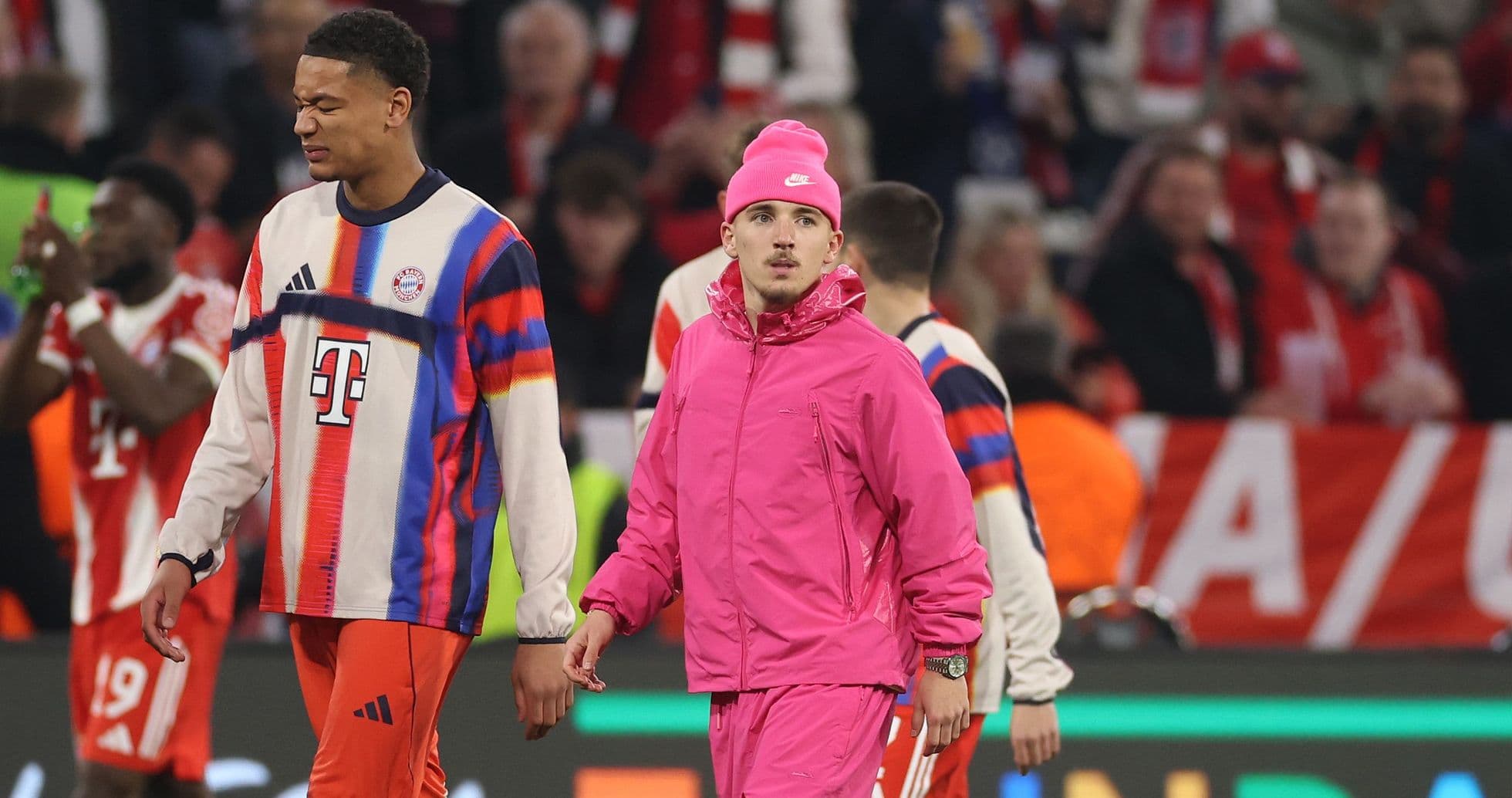
“Sometimes I think football is taken too seriously,” Hoeness said, lamenting how minor updates on players’ fitness now share space with global crises. “The news says: Iran did this, the Israelis did that, and by the way, Lennart Karl injured his muscle. All that's missing is for that to be in first place.”
For Hoeness, that contrast is absurd. The game he knew as a player existed in a very different world, one without the constant glare of smartphones, social media, and rolling news. Life, he insisted, was simpler then.
“You have to explain everything these days. You can hardly afford spontaneity anymore,” he said.
To make his point, he reached for a story that could only come from another era: Bayern at Oktoberfest.
Back then, the club’s visit to Munich’s famous beer festival was not a choreographed media event. It was a team outing. A proper one.
“Take our Oktoberfest visit, for example. It's a publicity stunt now,” Hoeness said. “Back then, if we didn't have a game on Wednesday, we'd ask [Bayern coach] Udo Lattek if we could train on Tuesday morning so we could go to Oktoberfest on Tuesday afternoon. Then the whole team would march in.”
No VIP cordons. No photo calls. No social feeds to curate.
“There were no mobile phone photos back then. We didn't just stay for three hours, no, we didn't go home until midnight,” he recalled. “Before that, we'd been in almost every tent, ridden on every magic carpet. And sometimes one of us would throw up on the magic carpet.”
Today, that would be a scandal. A viral clip. A talking point on every debate show. Hoeness knows it.
“Today, that would be a news story,” he said, underlining how the game’s culture has shifted from lived experience to packaged content.
His criticism, though, does not stop at the media. Hoeness is equally alarmed by where the business of football is heading, and he reserved particular ire for FIFA’s approach to the 2026 World Cup in the USA.
“I completely reject what FIFA is currently doing with the prices for the World Cup in the USA,” he said. “It has nothing to do with the football business as I envision it. The World Cup final must not become like the Super Bowl.”
He did not invoke the Super Bowl lightly. For Hoeness, American sport represents the extreme of corporate spectacle: an event where the game can feel secondary to the show.
He illustrated that with a story from a recent Super Bowl.
“I recently met someone who was at the Super Bowl. He was invited to a billionaire's box. The box cost $1.5 million for that one day. For 20 people. That's $75,000 per person,” Hoeness said. “Some of them didn't even watch the game. And the main attraction, of course, was the half-time show.”
That, in his eyes, is the warning sign. A World Cup final where the stands are full of people who see the match as background entertainment, not the main event, is his nightmare scenario. The sport, he believes, cannot afford to drift into that territory.
Hoeness knows Bayern are no strangers to corporate hospitality. The Allianz Arena has its own VIP boxes and business lounges. But he bristles at the idea that this should define who the club is for.
“Yes, but there are also season tickets for €175. I'm very proud of that,” he said.
That price point is no accident. For Hoeness, it is a statement of principle.
“I don't want fans who don't have such high incomes to be unable to afford them. Football belongs to them too, or especially to them,” he insisted. “It can't be that they can only afford to go to a football match if they cut back on food or holidays. A football match must always be possible.”
In an era of spiralling transfer fees, premium hospitality, and global branding, Hoeness is staking out an unfashionable position: that the game must remain anchored to ordinary supporters, not just to those who can afford luxury boxes.
He sees a sport drifting toward a future of billionaire suites and choreographed entertainment. He still believes it should belong, first and last, to the people in the cheap seats.