United States Falls to Turkey: A Mix of Promise and Reality
The United States slipped to defeat against Turkey with a performance that mixed promise, naivety, and a few harsh reminders of World Cup reality. There were bright individual moments, but they were drowned out by defensive lapses, blunt attacking play, and a goalkeeper debate that refuses to go away.
Turner’s surprise start, and a familiar problem
Matt Turner’s name on the team sheet was the first twist of the day. The reward was brutal. Three shots on target, three goals conceded, and very little in the way of redemption for a keeper still trying to claw back the No. 1 shirt.
He did step off his line well a couple of times, sweeping danger before it could turn into panic. Those actions will please the staff. But they don’t erase the headline: he couldn’t keep anything out. On a day when every save would have been weighed against Matt Freese, Turner’s case took another hit. The one consolation? He joins a select group of U.S. goalkeepers to start at multiple World Cups. That’s history, even if it doesn’t solve the present.
Scally and the full-back fault line
On the right, Joe Scally offered a very different profile to Sergiño Dest or Alex Freeman. Less adventurous, more conservative. That safety-first approach didn’t pay off.
Turkey repeatedly dragged him into uncomfortable positions. On their second goal, he was pulled out of shape twice in the same sequence, leaving gaps that the back line couldn’t patch. When he did get forward, his delivery lacked bite. Crosses drifted into harmless areas, never quite turning pressure into panic. It was a reminder that staying at home doesn’t automatically mean staying secure.
On the opposite flank, Auston Trusty had a far more compelling afternoon. Still playing slightly out of position as a wing-back or full-back, he looked far more like himself in both boxes. He powered in the opening goal with a thumping header from a corner, the kind of decisive, aggressive finish that defenders love. With the ball, he constantly offered an outlet, helping the U.S. escape pressure and move upfield. Defensively, he tracked back diligently, cutting down Turkey’s joy down their right.
Then came the sting. Trusty hobbled off with what appeared to be a left ankle injury, a sour end to one of the U.S.’s best individual displays of the day.
Central defenders under strain
In the middle, Mark McKenzie and Miles Robinson never quite settled as a pairing.
McKenzie was too easily bypassed on Turkey’s first goal, caught in that dangerous half-space where he neither shut down the lane nor delayed the attack. His long distribution rarely found its mark, turning potential counterattacks into turnovers. He did think he’d made amends with a poacher’s finish from a corner, only to see it chalked off for offside. In open play, he at least helped funnel the ball into midfield, though the full-backs carried more of the progression burden.
Robinson started as if the ball were a stranger. Every touch in the opening quarter felt nervy, every decision a beat too slow. Once he settled, the chaos eased, but the numbers told their own story: he led the team in “phases lost,” both with loose passing and hesitation in possession. For a defender usually trusted as a stabilizing force, it was an uneasy afternoon.
Berhalter’s breakout, McKennie’s steady hand
If there was a genuine breakout performance, it belonged to Sebastian Berhalter.
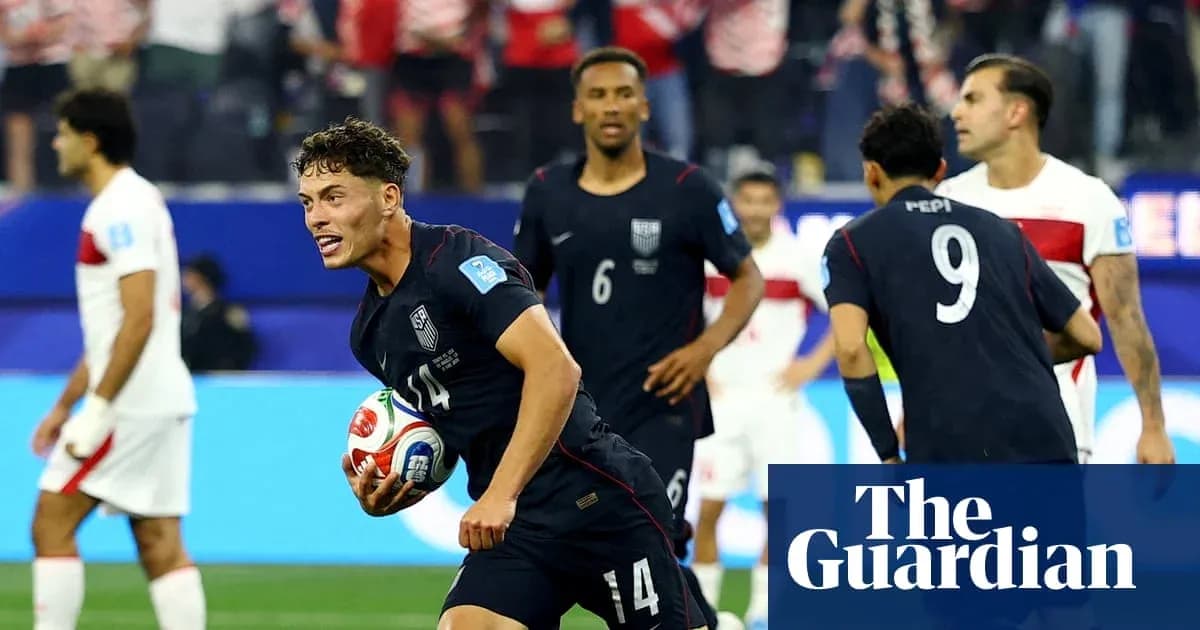
Defensively, he had shaky moments that won’t show up on clips but will stand out in the coaches’ review. Yet when the ball was dead or rolling forward, he came alive. His set-piece quality earned him a place in this squad, and he repaid Mauricio Pochettino’s trust with an assist on Trusty’s opener, his delivery begging to be attacked.
Then came his own strike. Another clean, composed finish from the edge of the area, added to what is becoming a growing catalogue from that range. On a day when the U.S. struggled to stitch together sustained threat, Berhalter was comfortably their most progressive passer, constantly looking to move the ball into advanced zones rather than sideways safety. He played with purpose.
Alongside him, Weston McKennie carried the armband and the responsibility. With Cristian Roldan out, someone had to shoulder the work between the lines, and McKennie did it with his usual blend of presence and personality. This wasn’t his most hyperactive outing, but he kept the temperature up when the match threatened to drift away from the U.S., barking, gesturing, nudging teammates into life. He managed a handful of efforts on goal, though only one tested the keeper. Symbolic, perhaps, of a midfield that flickered rather than burned.
Reyna’s limits, Weah’s off day, Aaronson’s miss
Gio Reyna’s afternoon told its own story about his club situation. It was obvious how rarely he now plays extended minutes. He worked hard off the ball, constantly moving to offer himself as a passing option, but when he received it, caution took over. Instead of threading riskier balls through the lines, he recycled possession, turned back, reset. He still finished with the second-most passes into the box for the U.S., trailing only Berhalter, yet it felt like a performance with the handbrake on.
Tim Weah, shifted once again to his weaker side, had a rougher time. Pochettino has spoken about Weah’s “dominant eye” as justification for using him inverted off the left. The theory didn’t translate here. Passes went astray, first touches bounced off, dribbles died in traffic. For a player with his experience and stature in this group, it was a surprisingly ragged display.
Brenden Aaronson, making his first World Cup start, delivered the kind of shift Leeds fans know well. Relentless running, constant attempts to stretch the play to the right, endless pressing. The problem came in the moment that mattered most. Presented with an unobstructed look at an open net, he failed to connect. In a tight international match, that sort of miss lingers.
Pepi’s thankless task
Up front, Ricardo Pepi spent much of the game doing the dirty work that rarely earns headlines. He repeatedly dragged Turkey’s centre-backs into deeper areas, trying to create space for runners behind. The idea was sound; the execution around him never quite matched it.
Touches in the box were scarce. His only shot flew off target, a snapshot of a frustrating outing. With talk swirling of a big-money move and Fulham supporters already weighing expectations around a reported $35 million fee, this was a chance to make a statement. It never came.
The U.S. leave this one with questions still swirling around the spine of the team, the goalkeeper spot unresolved, and a handful of players needing sharper edges. The World Cup doesn’t wait for anyone—who, from this group, will be ready when it truly bites?