Uruguay Crash Out Amid Chaos as Spain March On
Uruguay arrived with pedigree and expectation. They left with recriminations, a red card, and their worst World Cup group-stage exit in recent memory.
The two-time champions, the highest-ranked side to fall at the first hurdle, saw their campaign collapse with a 1-0 defeat to Spain that felt as much like a slow unravelling as a football match. For Marcelo Bielsa, it capped a miserable tournament marked by tactical disputes, dressing-room tension and, in the end, a team that no longer looked willing or able to follow his lead.
Revolt, Regression and a Goalkeeper’s Nightmare
The warning signs had been flashing for days. Draws against Cape Verde and Saudi Arabia had already put Uruguay in trouble, but what happened off the pitch cut even deeper. Reports emerged of a revolt in the camp, with senior figures – including Real Madrid midfielder Federico Valverde – clashing with Bielsa over his methods and tactical demands.
On the field, the picture was no brighter. Fernando Muslera, a hero of the 2010 semi-final run, became a symbol of the decline. He was culpable for both goals in the 2-2 draw with Cape Verde, and in Guadalajara his tournament took another grim turn.
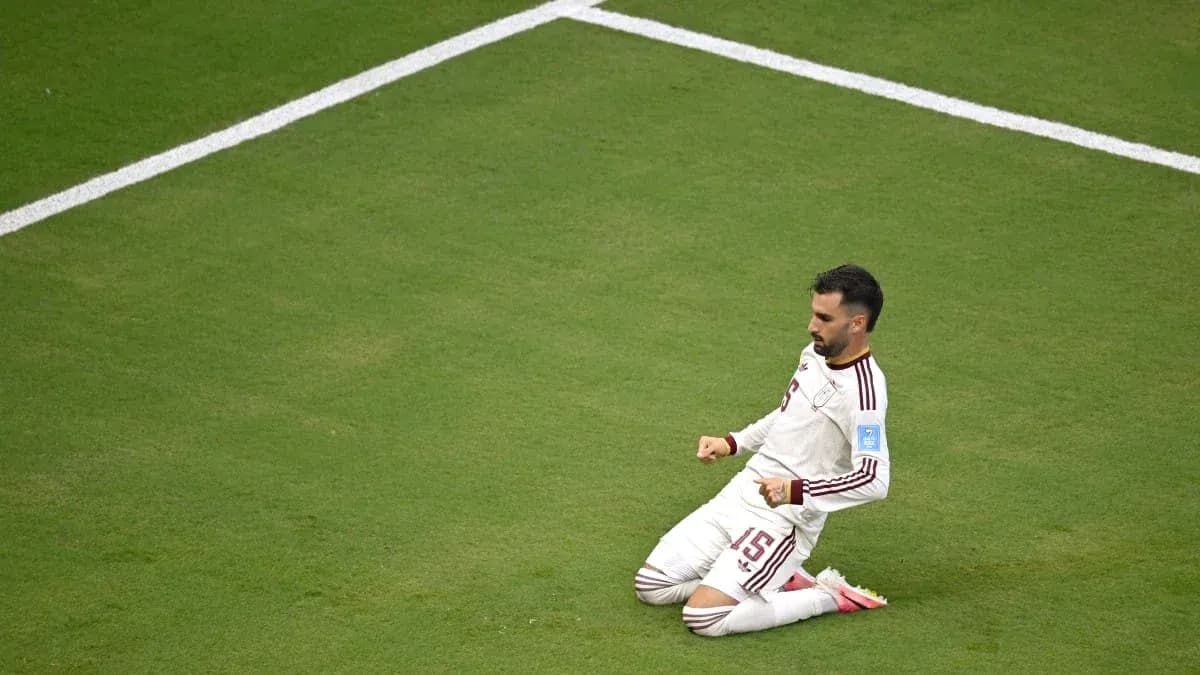
Spain, oddly subdued for most of the first half, had barely laid a glove on Uruguay. Then came the kind of moment that haunts a veteran goalkeeper. On 42 minutes, Marcos Llorente swept in a cross, Alex Baena connected, and Muslera somehow allowed the shot to trickle over the line. It was soft, it was avoidable, and it was brutally decisive.
To make matters worse for Uruguay, the move that led to the goal also claimed one of their most important players. Manchester United midfielder Manuel Ugarte went down in the build-up, clutching his knee. He left the pitch on a stretcher, the injury looking serious and the faces around him telling their own story.
Royal Audience, Flat Spectacle
Spain’s King Felipe watched from the stands, expecting a clash befitting two former World Cup winners. What he got instead was a strangely flat contest that never caught fire.
This was the only meeting between past champions in the group stages, but it lacked the edge, the tempo, the sense of occasion such a billing promises. Uruguay, weighed down by internal strife and poor form, played like a side trying to remember who they were. Spain, for all their control and unbeaten record, played like a side still working out what they want to be.
Lamine Yamal’s return to the starting line-up had previously jolted La Roja into life, his presence sparking a 4-0 demolition of Saudi Arabia after an opening 0-0 against Cape Verde. Here, though, the Spanish attack slipped back into something more familiar – sterile dominance, neat patterns, little incision.
Luis de la Fuente watched his side keep the ball and keep their shape, but rarely keep Uruguay under real pressure. The goal came more from Uruguayan frailty than Spanish brilliance. It leaves him with plenty to think about before the knockout rounds begin on Sunday.
Changes, Missed Chances and a Late Flashpoint
Bielsa acted at the break, hauling off Muslera for Sergio Rochet. The change felt inevitable, almost merciful. An hour in, he went even further, substituting Valverde, the player at the heart of so much pre-match noise. It was a bold call, and a brutal one, underlining just how fractured this campaign had become.
On the opposite bench, De la Fuente turned to his own reinforcements. Dani Olmo and Fabian Ruiz finally gave Spain some thrust, some purpose between the lines. The tempo lifted, the passing gained an edge.
The pressure should have brought a second goal. Yamal, in one of his rare bursts of electricity, carved open space and laid the ball on for Olmo. With the chance begging, Olmo skied his effort, wasting what should have been the move of the match.
Yamal’s night ended 15 minutes from time, his minutes still carefully managed after the hamstring injury that cut short his club season. Ferran Torres came on and promptly missed the clearest chance of all, crashing a shot against the bar with only the goalkeeper to beat. Spain, for all their control, never killed the game.
Uruguay, by then, looked beaten in more ways than one. Their frustration finally boiled over in stoppage time when Agustin Canobbio launched into a wild lunge on Pau Cubarsi. The red card was immediate, the incident a grim snapshot of a campaign that had lost all discipline and direction.
Spain Unbeaten, Yet Unconvincing
Strip away the noise and Spain’s record is imposing. They are now 34 competitive games unbeaten. They have yet to concede a goal at this World Cup. On paper, that is the profile of a genuine contender.
On the pitch, the story feels different. While France, Argentina and the Netherlands have produced stretches of thrilling, ruthless attacking football, La Roja still move in fits and starts. The structure is there, the control is there, the defensive solidity is undeniable. The spark, though, remains intermittent.
For Uruguay, the questions are immediate and uncomfortable. For Spain, they are subtler but no less important.
They advance, unbeaten and unbreached, but still searching for a performance that truly announces their bid for a second World Cup crown.