Uruguay’s World Cup Exit: Muslera's Nightmare Ends
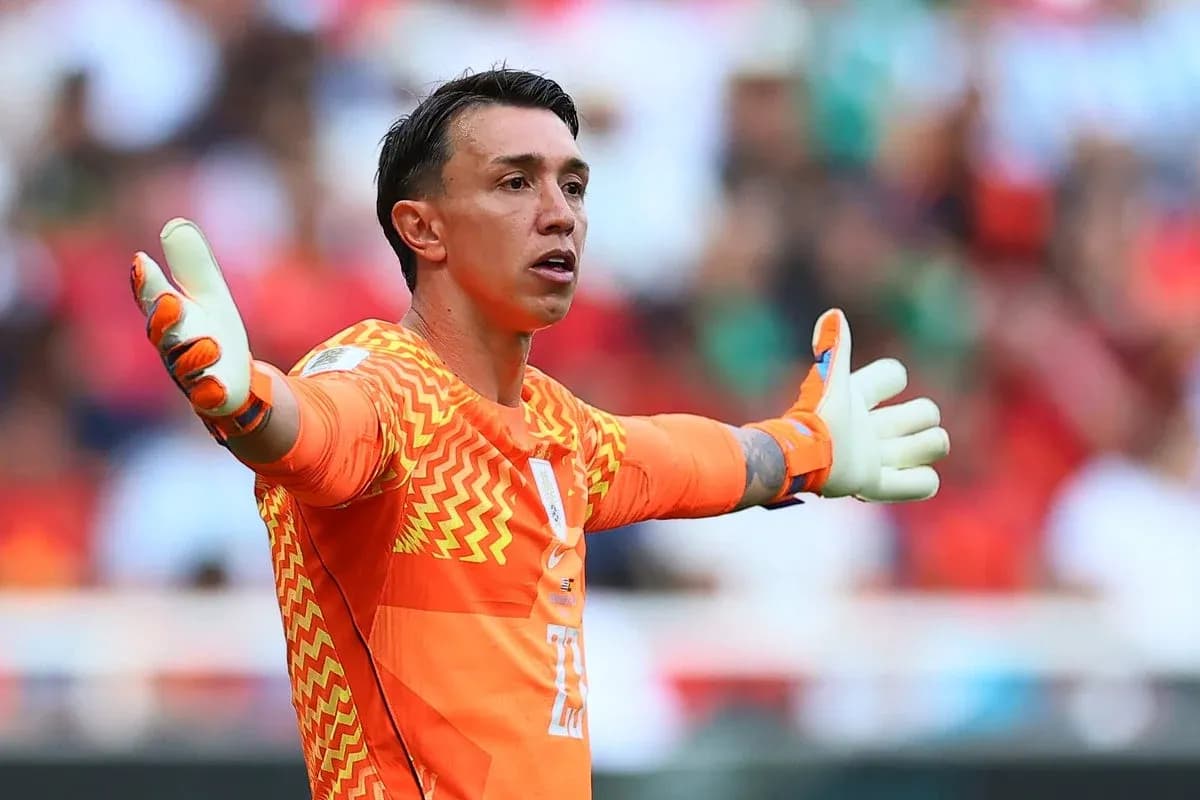
Fernando Muslera’s World Cup ended not with a save, but with a walk. Forty-five bruising minutes against Spain, one more costly mistake, and then the long trudge down the tunnel that felt like the closing chapter of a painful campaign for both goalkeeper and country.
Uruguay’s 1-0 defeat to Spain sealed their exit from World Cup 2026 at the group stage, a meek end for a nation that arrived expecting to at least escape Group J. They only needed a draw after stalemates with Cabo Verde and Saudi Arabia. They left with a defeat, two points, and a storm of questions.
At the heart of it all stood Muslera. Or, more accurately, knelt.
The Estudiantes keeper misjudged Alex Baena’s effort, watching in horror as the shot squirmed past him and rolled into the corner. It was not spectacular. It was not unstoppable. It was a routine effort that turned into a defining image of Uruguay’s tournament.
Muslera erupted, screaming in fury at himself as the ball nestled in the net. The numbers behind that moment made it even worse. That error made him the first goalkeeper on record to commit three mistakes directly leading to goals in a single World Cup campaign since such data began in 1966. A brutal, unwanted slice of history.
The pressure finally told at half-time. When Uruguay emerged for the second half, Sergio Rochet stood between the posts. Muslera was gone.
It looked like a ruthless call from Marcelo Bielsa, the kind of cold, decisive move managers sometimes make in tournament football. But the coach revealed a different story after the final whistle.
“The Muslera change was not my decision, it was Fernando,” Bielsa told Uruguayan television, laying bare the human side of a veteran keeper who appeared to decide he could not go on.
In doing so, Muslera became part of another piece of history: this was the first time Uruguay had substituted their goalkeeper at a World Cup since changes were first allowed at Mexico 1970. For a position built on continuity and resilience, it was a symbolic rupture.
Bielsa cut a bleak figure in the aftermath. The Argentine, already under scrutiny amid reports of disagreements within the camp, did not spare himself.
“I couldn't boost the Uruguay players, I leave nothing to the country,” he admitted, a stark self-indictment from a coach renowned for his intensity and conviction.
His decisions on the night will echo long after this tournament. With Uruguay chasing the result they needed, he withdrew Federico Valverde after just 56 minutes. The Real Madrid star had struggled to impose himself, yet removing the team’s most high-profile player in such a fragile moment only sharpened the focus on Bielsa.
“With Valverde's departure I wanted more presence in the attack,” he explained, but the gamble never paid off. Spain managed the game, Uruguay never truly found rhythm, and the exit felt inevitable long before the final whistle.
By then, the story had already taken shape: a proud football nation out in the group stage, a legendary goalkeeper living through a nightmare tournament, and a head coach whose future now hangs in the balance.
Uruguay leave this World Cup with two points, no wins, and a trail of what-ifs. Muslera leaves with a record no player wants. Bielsa leaves with his position under serious doubt.
The only question now is whether this collapse becomes a turning point for La Celeste or the start of a longer, darker chapter.