World Cup 2026: From Stunning Moments to Deep Controversies, FIFA Faces a Tough Challenge
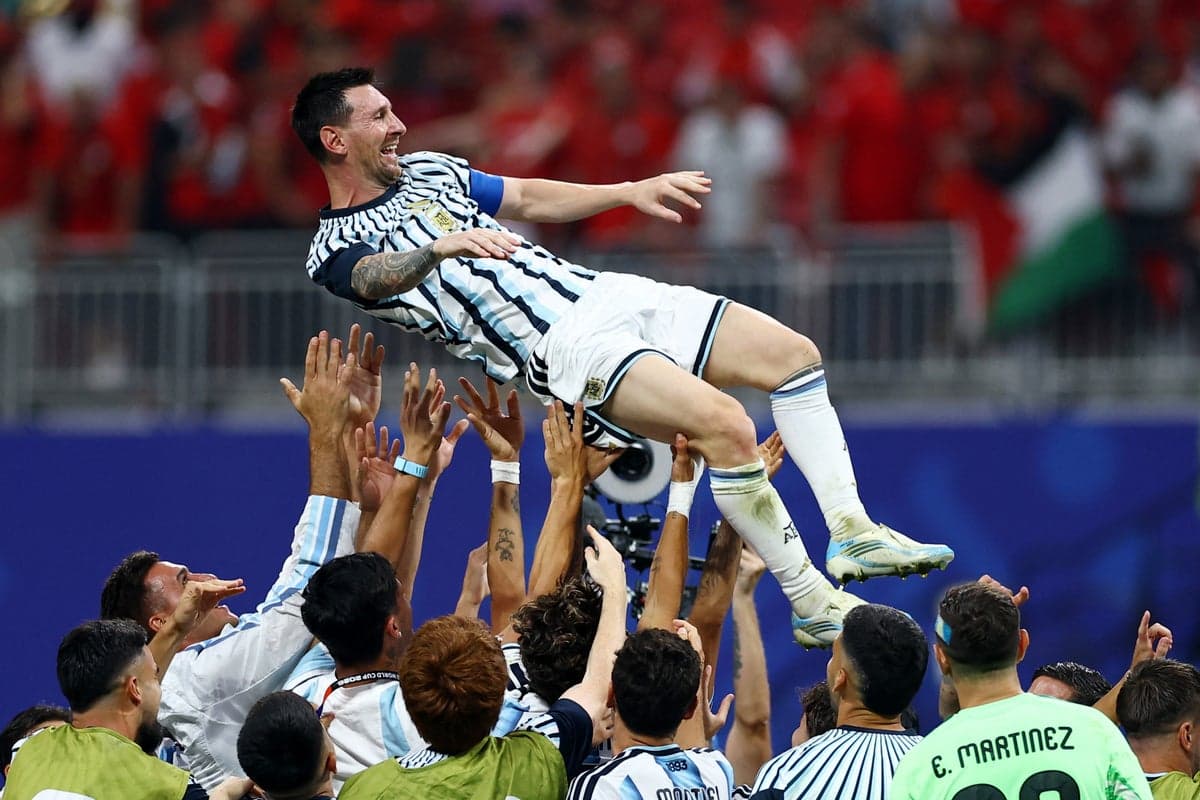
When Lionel Messi was lifted by his Argentina teammates after their thrilling victory over Egypt, it captured the essence of this World Cup: pure, raw emotion. Scenes like these have become emblematic of the tournament’s intensity. Tears from Messi and coach Lionel Scaloni reflected more than just a win; they showed the weight and passion of possibly the last World Cup for some legends.
Scaloni, still defending champion manager, found himself overwhelmed after a last-16 match that was anything but routine. It’s not just Argentina feeling the emotional rollercoaster; teams like England have also faced intense highs and lows, making calm progress through the tournament nearly impossible compared to past decades.
One striking game was Colombia vs Switzerland, which felt almost old-fashioned due to its lack of drama. Contrastingly, the total goals in the last 16—23—far exceed previous tournaments like Germany 2006, which had only 15. The players seem freed from club-level tactics, pushing the matches into open, emotional battles that represent their nations vividly on this global stage.
Football at Its Most Authentic?
This tournament has delivered moments many would cherish for years. The Mexico vs England clash alone could be considered one of the greats, matched shortly after by another incredible Argentina performance. The football feels vibrant, authentic, and deeply connected to national pride.
Controversy Casts a Shadow Over the Spectacle
Yet, there are darker stories beneath the surface. The incident involving Folarin Balogun brought political interference into the spotlight, unfairly tainting a player uninvolved in the off-field issues. Egypt’s coach Hossam Hassan expressed his anger openly after defeat, claiming injustice and bias influenced the outcome.
“It’s all about money. They want Messi to stay in the tournament. In football, many things happen off the pitch because of interests. What happened was unfair. Egypt deserved to qualify. We were the better team.”
His words echoed frustration that others share quietly. A disallowed Egyptian goal, ruled off for a minor foul far away from the play, unsettled fans and observers alike. Throughout the tournament, refereeing has generally been light and consistent, making this decision stand out sharply.
Most likely, such calls come down to human error and differing interpretations by officials from various countries. But now FIFA faces an added challenge: perception. The controversy surrounding Donald Trump’s involvement with FIFA has made people question what else might be influencing decisions.
The suspicion that certain outcomes could be scripted or manipulated has spread online, fueled by memes comparing the tournament to wrestling entertainment. While this idea is absurd to many, its growing presence can’t be ignored by FIFA leadership.
A Crisis of Legitimacy for FIFA
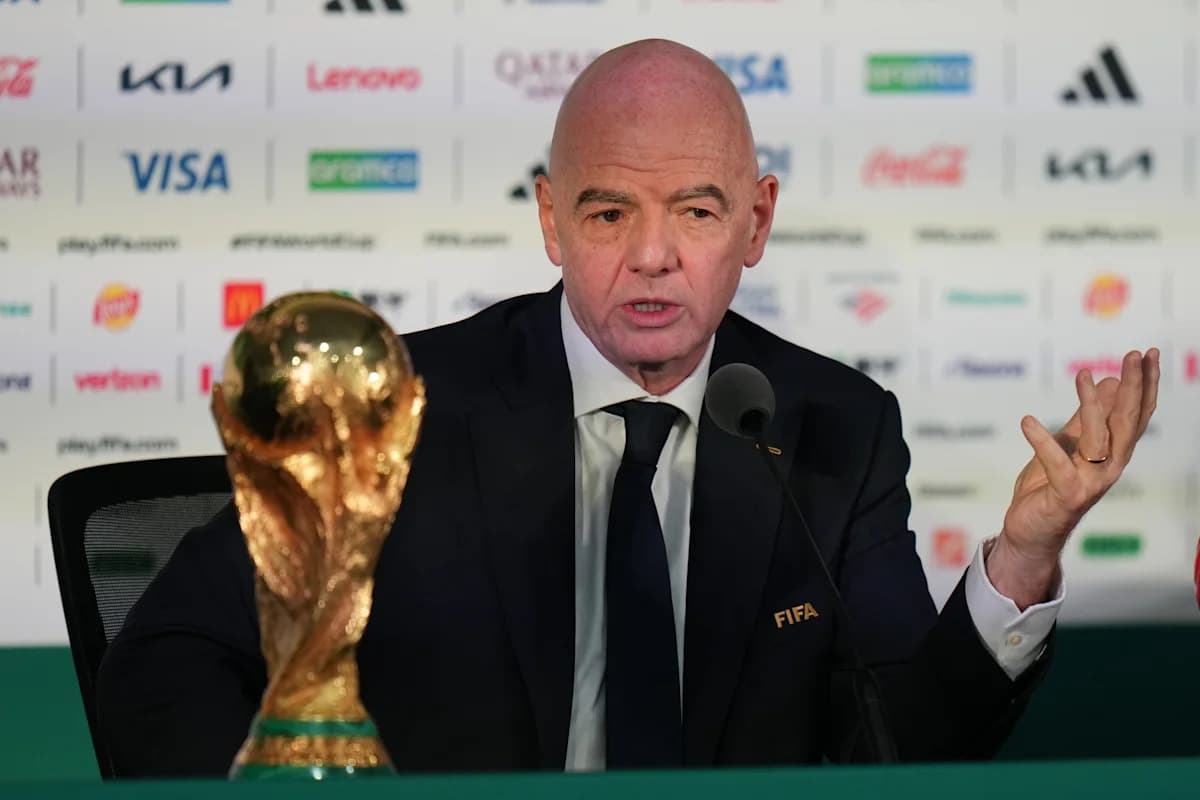
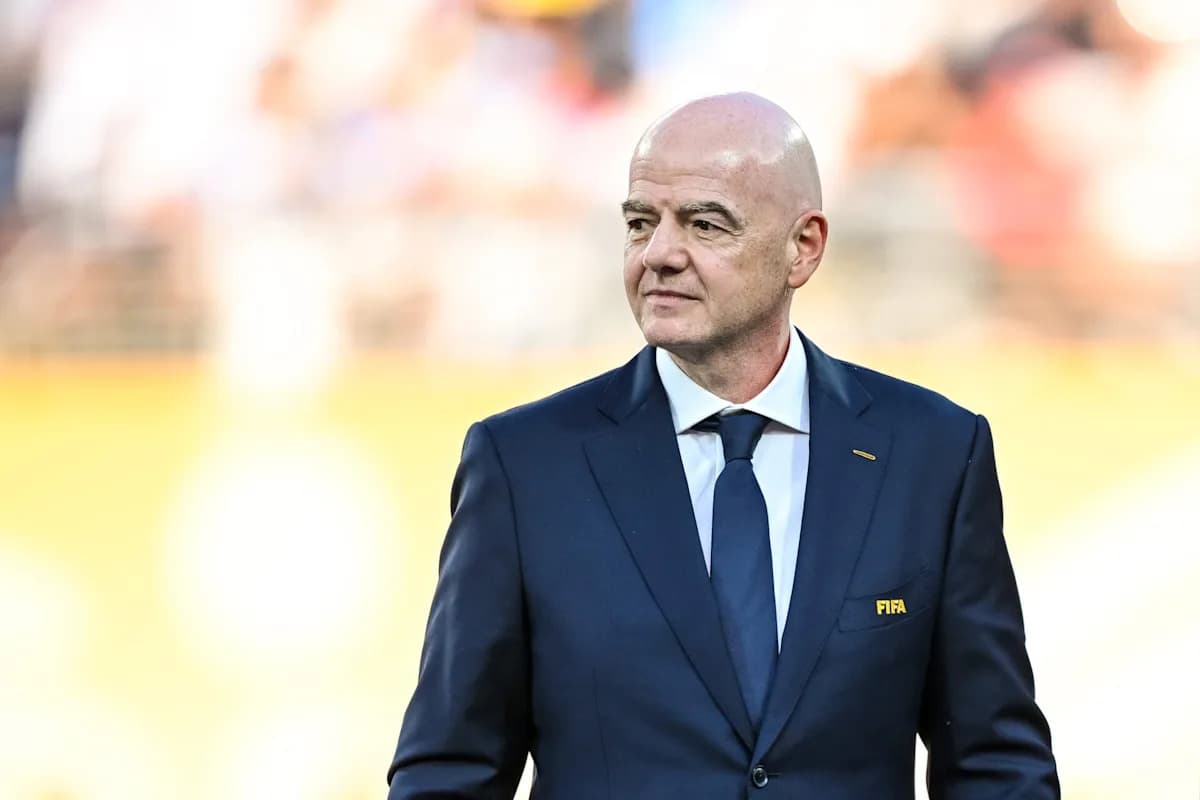
FIFA president Gianni Infantino has been under pressure during this World Cup, with calls for his resignation amid corruption allegations. These tensions resemble those seen in the Premier League, where accusations of corruption and legal battles have eroded trust.
FIFA’s core problem lies in maintaining sporting integrity. The beautiful, emotional football on display contrasts sharply with these doubts. This contradiction puts the organization’s credibility at risk, potentially undermining the tournament’s success despite the quality on the pitch.
Financial Influence and Team Representation
Another irony is how the quarter-final lineup reflects financial realities. Six of the last eight teams—France, Spain, England, Switzerland, Belgium, and Norway—come from wealthy Western European nations. The USA’s unique “pay to play” youth system contrasts starkly with Europe’s more industrialized approach to coaching and development.
Morocco stands out as a surprising contender, thanks to a state-led push resembling projects like Hungary’s under Viktor Orban. This shows how national priorities and investment can reshape the football landscape.
FIFA’s Role in Global Football Development
FIFA does redistribute wealth globally, supporting improvements in football standards under guidance from figures like Arsene Wenger. Yet, this aid often doubles as a political tool, complicating the sport’s purity. The political and financial interplay surrounding the World Cup sometimes feels like a satirical drama itself.
In the end, the 2026 World Cup delivers unforgettable moments on the field but leaves FIFA grappling with questions about fairness, influence, and trust. The spectacle is real, but so are the shadows cast around it.