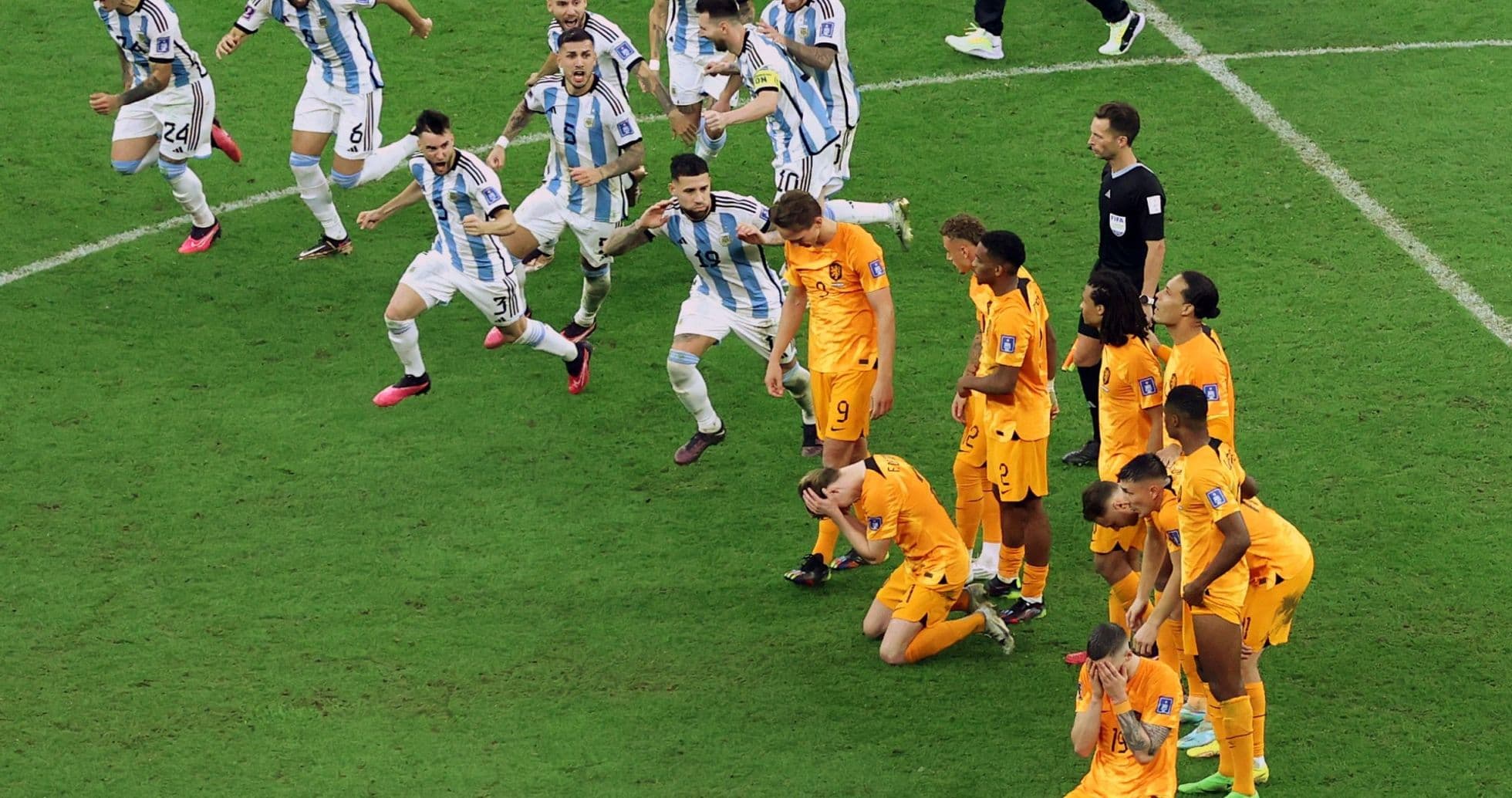
World Cup 2026 Knockout Stage: Extra Time and Penalty Shootout Explained
The knockout rounds of the 2026 World Cup have already delivered intense moments, with extra time and penalty shootouts playing a crucial role. Two European giants, Germany and the Netherlands, faced shocking eliminations after spot-kick shootouts.
Paraguay stunned the four-time champions by converting a decisive penalty following a 1-1 draw after extra time. Just hours later, Morocco came from behind to beat the Dutch 3-2 in penalties, ending their campaign unexpectedly.
Understanding Extra Time at the World Cup
If teams remain tied after the standard 90 minutes, the match proceeds to extra time. This consists of two halves, each lasting 15 minutes, separated by a brief pause. Teams get one additional substitution during this period.
There are no hydration breaks during extra time beyond those allowed in normal time. Unlike past tournaments, there is no golden goal rule this year, so the game continues until both periods conclude, regardless of goals scored.
The golden goal, which once decided matches instantly during the 1998 and 2002 World Cups, saw players like France's Laurent Blanc score sudden winners but is now retired.
Penalty Shootout Rules for the World Cup
If neither side prevails after 120 minutes, the contest moves to a penalty shootout, a method introduced at the 1978 World Cup. Two coin tosses determine who shoots first and the end of the stadium where kicks take place.
Each team takes five alternating penalties. Only players on the pitch at the final whistle can participate, and all eligible players must take a shot before anyone repeats.
If still tied after five attempts each, the shootout becomes sudden death. No rebounds are allowed—players cannot retake shots if saved, and goalkeepers must remain on their line until the ball is kicked.
This rule cost Croatia when Dominik Livakovic moved off his line early, giving Harry Kane a second chance after his initial penalty was saved.
England has struggled historically in shootouts, having won only once internationally, against Colombia in 2018.
Reactions to Penalty Heartbreaks
After the Netherlands' exit, opinions were strong. Former striker Zlatan Ibrahimovic blamed coach Ronald Koeman, criticizing the team for losing their traditional identity. Thierry Henry echoed this, suggesting Koeman played not to lose rather than to win.
Koeman defended his choices, stating he would not change his defensive approach despite criticism for fielding five defenders after conceding an equalizer.
Penalty losses spark powerful emotions. German coach Julian Nagelsmann's team received harsh media condemnation after their elimination, with outlets calling their performance slow and disappointing, especially given their status as 2014 champions.
Other nations expressed surprise too. Italian media congratulated the South Americans, while French commentators called Germany's defeat the tournament's biggest shock so far.