World Cup 2026: The Push for a 64-Team Tournament Under Gianni Infantino
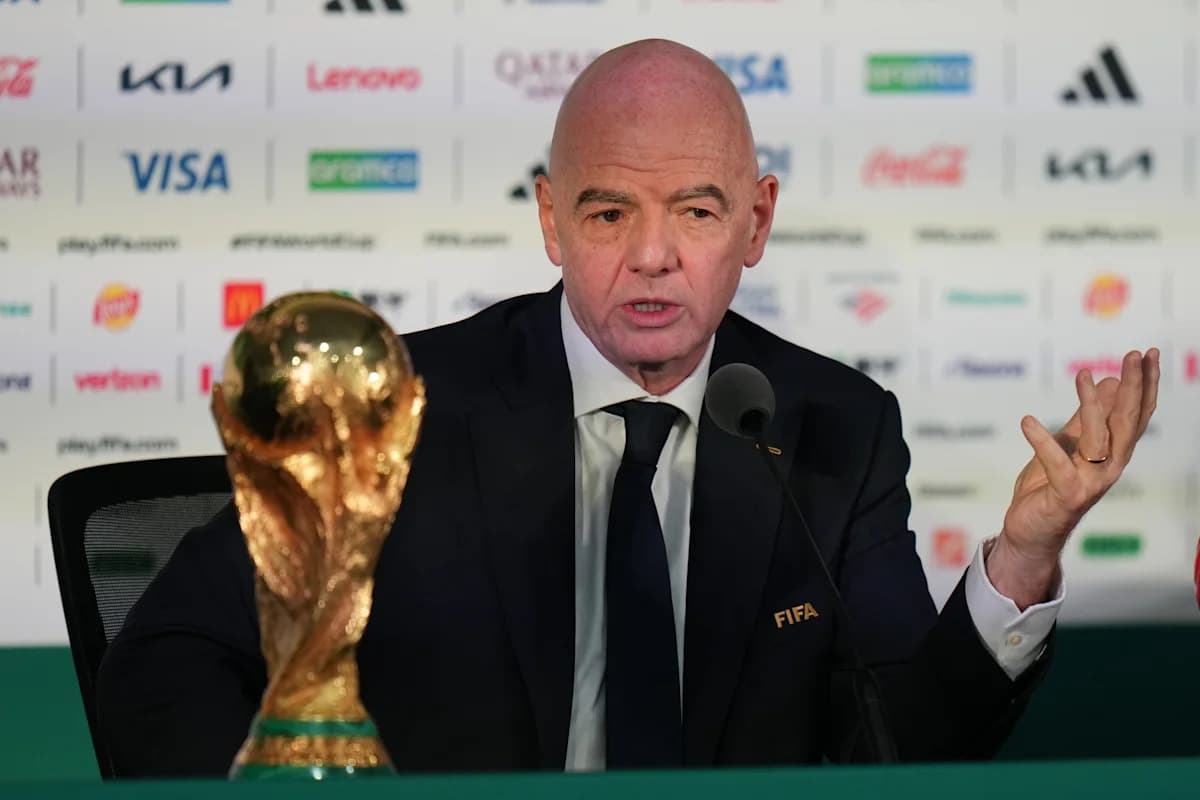
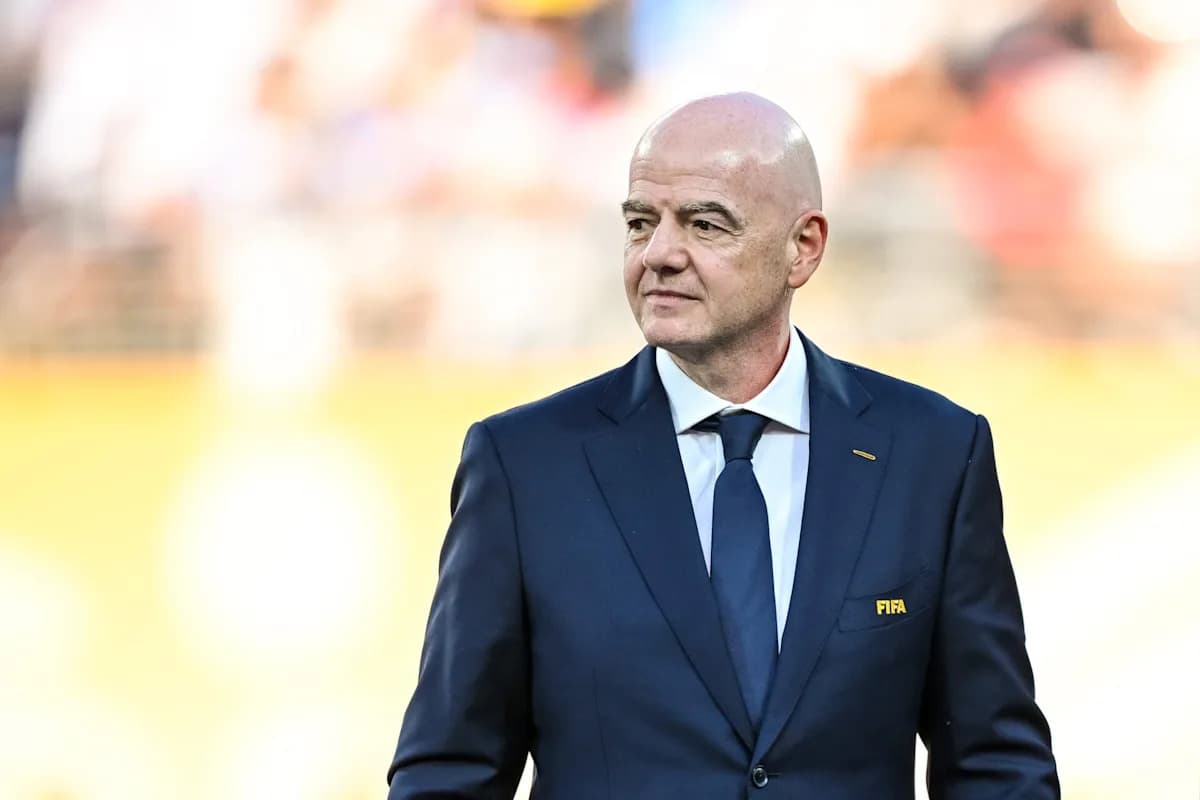
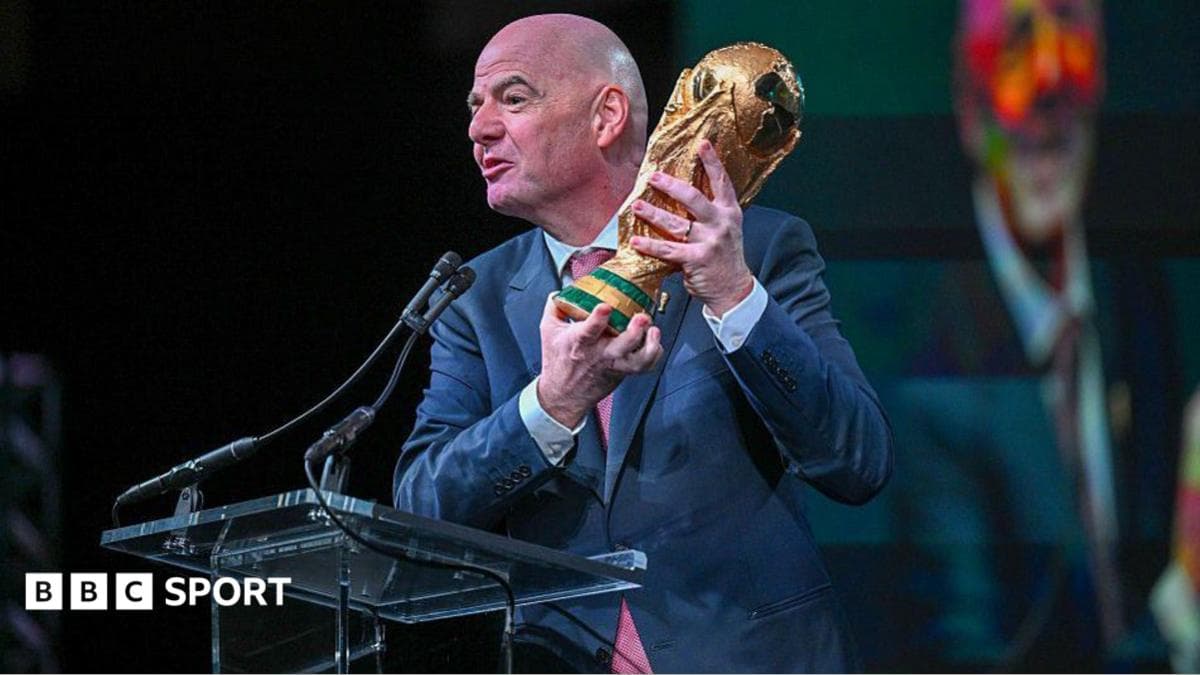
Ten years into Gianni Infantino’s leadership at Fifa, one thing stands out clearly: expansion is his preferred route. More tournaments, an increased number of matches, higher revenues—these have shaped his presidency. The revamped Club World Cup, the enlarged World Cup format, and soaring ticket prices all reflect this approach. Even the recent World Cup final featured a halftime break lasting over 27 minutes, resembling a major entertainment spectacle.
Now, the idea of a 64-team World Cup seems to be gaining traction, signaling yet another step in tournament enlargement.
Why Expand to 64 Teams?
Infantino argues that smaller nations deserve more chances to compete on football’s biggest stage. "If you don’t give smaller countries a chance to participate, they’ll lack the incentive to keep improving," he said. Yet, qualifying already allows any team good enough to reach the finals, as shown by nations like Cape Verde, Curacao, Jordan, and Uzbekistan.
From a structural point of view, a 64-team setup would make sense. With 16 groups, the top two from each could advance directly to the knockout phase, eliminating the need to include some third-place teams.
The Forces Behind the Expansion Proposal
Looking ahead to the centenary 2030 World Cup, hosted mainly by Morocco, Portugal, and Spain with opening matches in Uruguay, Argentina, and Paraguay, certain voices are pushing for a larger event. CONMEBOL, led by Alejandro Dominguez, requested a one-off 64-team tournament to accommodate four extra groups and claimed it would ensure no nation feels excluded. Right after the 2026 tournament ended, Dominguez reiterated his goal for 2030 to feature 64 teams, emphasizing growth through inclusivity.
But not everyone agrees. UEFA president Aleksander Ceferin dismissed the idea, calling it detrimental to both the tournament and qualifying. Concacaf president Victor Montagliani warned of harm to the overall football ecosystem, while AFC head Sheikh Salman bin Ibrahim Al Khalifa cautioned about potential chaos. Despite these concerns, the final call rests with the 37 members of the Fifa Council.
Will More Teams Weaken the Competition?
A tournament with 64 teams offers two clear benefits: a simpler group format and more opportunities for emerging football nations. Infantino has highlighted this, especially after Cape Verde’s remarkable performance. Before the 2026 event, critics doubted whether extra teams would be competitive. Yet, Cape Verde managed to draw against Spain and Uruguay, finishing second in their group and pushing Argentina to extra time in the round of 16 before narrowly losing 3-2.
Still, stories like Cape Verde’s remain rare. Several debutants, including Haiti, Iraq, Jordan, Panama, Tunisia, and Uzbekistan, exited without earning a point. The group stages mostly lacked tension for top-ranked teams. Expanding further might reduce the chances of upsets where strong teams like Belgium, Germany, Spain, Italy, or France fail to reach the knockout rounds.
Where would the extra slots go? Based on 2026 qualifiers, potential additional teams under a 64-team plan include:
Among these, six rank within the world’s top 50. Africa and Europe dominate this list, showing better competitiveness compared to Asia and Concacaf, which struggled at the last tournament. For instance, nine of Africa’s ten representatives advanced past the group stage, whereas only two of nine Asian teams and three of six Concacaf teams made it through.
This imbalance raises questions about how additional places should be distributed, with some advocating for more European spots to maintain competitive quality.
Logistical Challenges of a Larger Tournament
Adding four extra groups means 24 more matches, which would extend the tournament by around five days beyond this year’s 39-day schedule. The 2026 World Cup benefited from multiple time zones and indoor stadiums, allowing games to spread over a 14-hour window for TV audiences. Future hosts might struggle with similar scheduling, especially considering increasing climate challenges like heatwaves.
Hosting a 64-team World Cup also demands more from infrastructure: more stadiums with large capacities, elite training facilities for every team, adequate hotels, and efficient transport networks. The 2026 edition featured 16 host cities; a bigger tournament might require even more venues and support systems.
Money: The Underlying Motive?
Infantino pledged to boost football’s finances, and under his watch, associations receive substantial funding—$8 million over four years, with extra for smaller nations, while confederations get tens of millions for development. This financial flow largely depends on World Cup income.
Fifa initially forecast $6.5 billion revenue from the 48-team format. After adding 24 games in 2022, projections rose to $9 billion. A 64-team event could generate even more through broadcasting rights, sponsorships, and ticket sales.
While the argument for expanding centers on growing the sport worldwide, critics warn there may be a limit beyond which bigger isn’t better for football’s quality or excitement.