Early Power Rankings for World Cup 2030: Spain Faces Rising Contenders
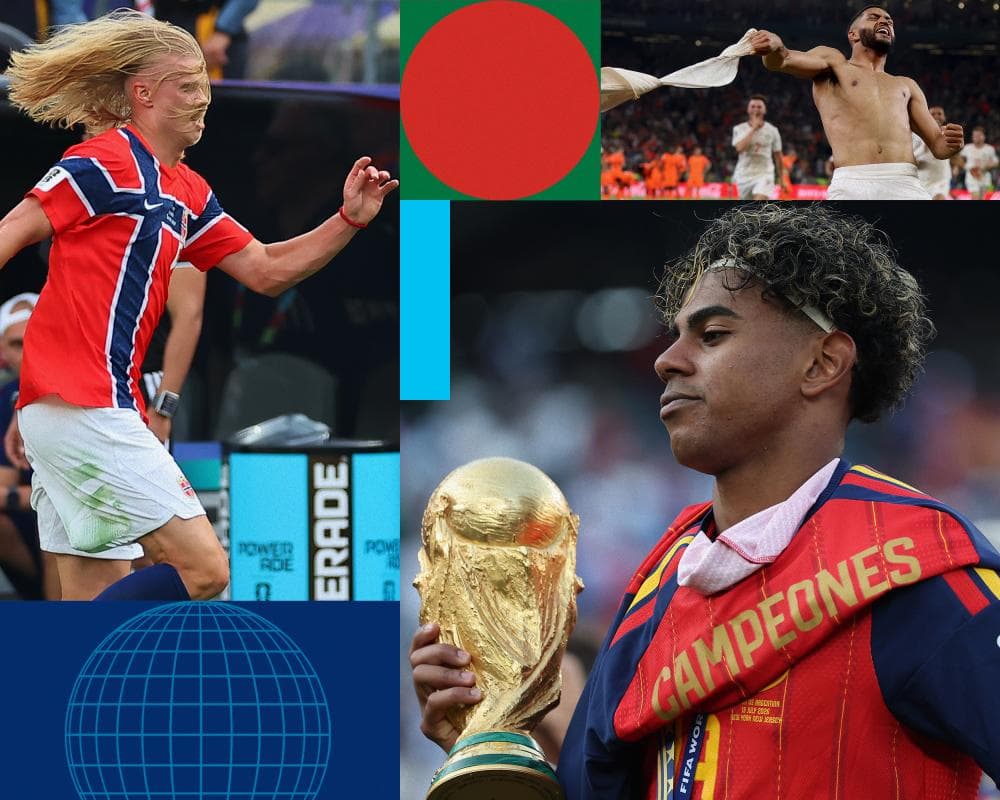
As the first reigning World Cup winner to host the next tournament, Spain enters 2030 with strong expectations. Under Luis de la Fuente's guidance, the team boasts a blend of experience and youth. The goalkeeper lineup could remain stable with Unai Simón (32), Joan García (29), and David Raya (34). Defenders like Marc Pubill (26) and Eric García (29) offer a solid base, while midfielders Dani Olmo (32), Gavi (25), Pedri (27), and Rodri (33) bring creativity and control. On offense, Nico Williams (27) and Lamine Yamal (22) showed promise in the previous final, supported by Ferran Torres (30) off the bench. Upcoming talents such as Dean Huijsen (25) and Cristhian Mosquera (25) may soon fill key roles, hinting at a potent Spanish squad.
France Aims to Bounce Back Under Zidane
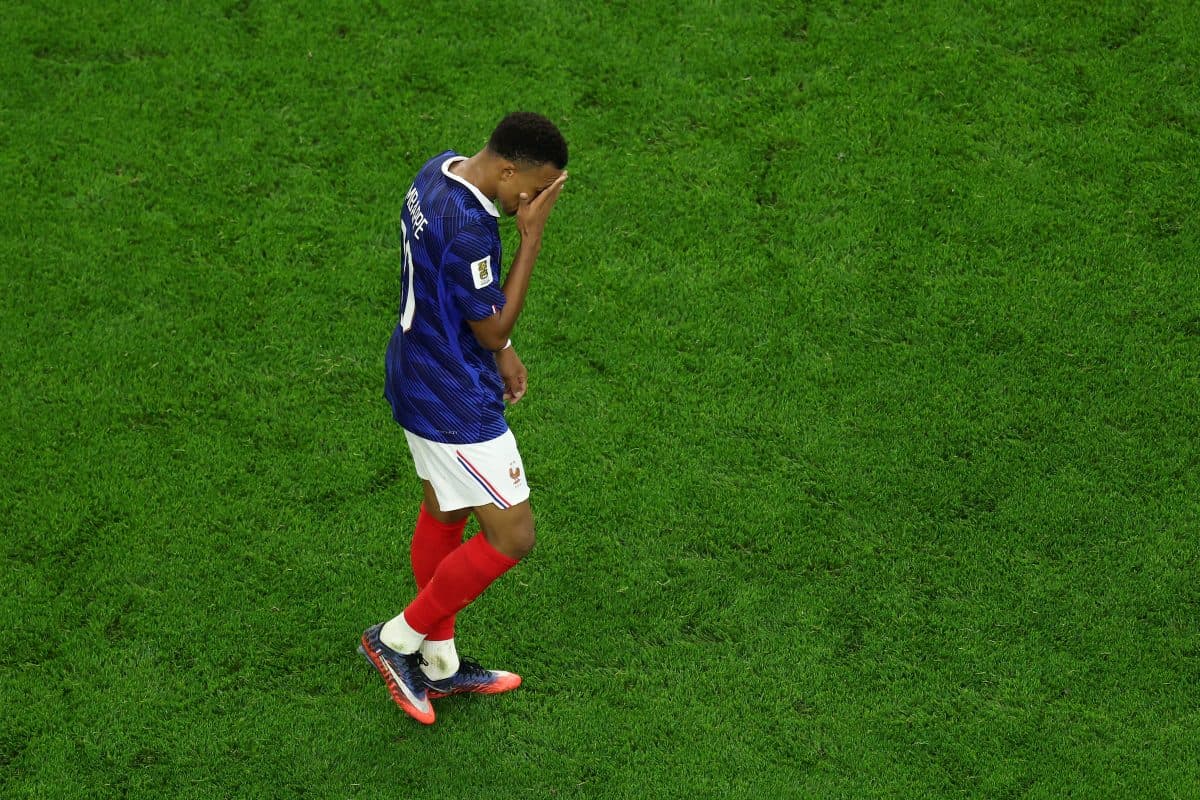
The appointment of Zinedine Zidane as coach marks a fresh start for France. After disappointing results under Didier Deschamps, Zidane faces questions about tactical adjustments following their semi-final loss to Spain. Mike Maignan (34) remains a top goalkeeper choice, protected by defenders Dayot Upamecano (31), Ibrahima Konaté (31), and William Saliba (29). Midfielders Manu Koné (29) and Aurélien Tchouaméni (30) provide strength, alongside Eduardo Camavinga (27) and Khéphren Thuram (29), who missed out on recent squads. Kylian Mbappé (31) continues as the focal attacking threat, supported by Michael Olise (28) and Désiré Doué (24). Talent is abundant; the challenge lies in unlocking it fully against structured opponents.
England Builds Around Emerging Talent
England's semi-final journey revealed both resilience and lingering gaps. Marc Guéhi (29) impressed at center-back, while Djed Spence (29) ended the World Cup strongly. Midfield options include Declan Rice (31), Elliot Anderson (27), Jude Bellingham (26), and Kobbie Mainoo (25). Bukayo Saka (28) and Anthony Gordon (29) provide wing depth. The major concern is striker Harry Kane's ability to maintain peak form at 36, with no clear heir apparent. Goalkeeping remains unsettled, but emerging players like Lewis Hall (25) and Phil Foden (30) add depth to the pool.
Morocco's Momentum Continues
One of the 2030 hosts, Morocco, has built a promising foundation with consecutive World Cup quarter-final appearances and an Afcon 2025 title. Achraf Hakimi (31) anchors defense alongside Chadi Riad (26) and Noussair Mazraoui (32). Young talents Ayyoub Bouaddi (22) and Azzedine Ounahi (30) strengthen midfield, while Ismael Saibari (29) and Bilal El Khannouss (26) add attacking options. Their U-20 World Cup win features prospects like Othmane Maamma (24) and Yassir Zabiri (25), pointing to sustained success.
Argentina Looks Beyond Messi
Argentina reached the 2026 final largely thanks to Lionel Messi, whose irreplaceable influence defined their attack and spirit. Julián Álvarez (30) is ready to lead the frontline, backed by Lautaro Martínez (32). Midfielder Enzo Fernández (33) aims to anchor the team despite past setbacks. Veterans Nahuel Molina (32) and Cristian Romero (32) form the backline, with goalkeeper Emiliano Martínez (37) still expected to contribute. The runners-up at the last U-20 World Cup, including Milton Delgado (24) and Julio Soler (25), offer depth for the future.
Portugal Faces Transition Challenges
With Cristiano Ronaldo stepping away before 2030, Portugal wonders if the current generation squandered its best chance. Diogo Costa (30) stands out in goal, supported by defenders Gonçalo Inácio (28) and Nuno Mendes (27). António Silva (26), João Neves (25), and Vitinha (30) shape the midfield, while Gonçalo Ramos (28) and João Félix (30) bolster attack. Aging stars Bruno Fernandes (35) and Bernardo Silva (35) complicate long-term planning, raising doubts about Portugal’s prospects.
Norway Relies on Haaland's Firepower
Norway earned respect with their quarter-final run and a vibrant team culture. Erling Haaland (29) remains the spearhead, expected to dominate defenses again. Supporting forwards Andreas Schjelderup (26), Antonio Nusa (25), and Oscar Bobb (26) offer options, while Martin Ødegaard (31) hopes to recover from injuries and orchestrate play. Defensive and goalkeeping roles will see rotation, but Haaland’s presence keeps Norway competitive.
Côte d’Ivoire Emerges as African Contender
The Elephants impressed in Group E, defeating Ecuador and Curaçao before bowing out to Norway. If Emerse Faé returns to lead, he’ll guide a talented squad featuring goalkeeper Yahia Fofana (29) and defenders Ousmane Diomande (26) and Wilfried Singo (29). Forward choices like Amad Diallo (27) and Elye Wahi (27) create selection dilemmas. Midfield depth remains thin, particularly if Franck Kessié (33) declines, but their recent Afcon success and World Cup knockout progress mark them as a team to watch.
Germany Seeks Revival Under Klopp
Germany looks to rebuild with Jürgen Klopp preparing to imprint his style after several underwhelming tournaments. Injuries like Lennart Karl’s (22) have hampered preparations, though Kai Havertz (30) should contribute crucial goals. Florian Wirtz (27) and Jamal Musiala (27) need better fitness, while Nathaniel Brown (26) fits Klopp’s wing-back role. Veteran Joshua Kimmich (35) plans to continue, which is reassuring as defensive turnover looms large.
United States Builds on Mixed Outcomes
Despite the controversy surrounding Folarin Balogun (28), the United States showed promise in reaching the last 16. Balogun’s three goals highlighted his potential, complemented by Malik Tillman (28) in midfield. Defense includes Chris Richards (30), Tyler Adams (31), and Weston McKennie (31). Christian Pulisic (31) and younger players like Alex Freeman (25) add balance. The familiar last-16 ceiling persists, but lessons from hosting could fuel progress.