How the World Cup Became America’s Unexpected Summer Celebration
Before this World Cup kicked off, doubts were everywhere. Concerns about a lengthy US government shutdown left many worried that local cities wouldn’t be ready for millions of visitors. Tense political climates and reports of high prices around the games suggested empty seats might dominate stadiums. The outbreak of war in Iran cast shadows over the event's reputation both at home and abroad.
As a fan, I feared this tournament might fall flat. Instead, it turned into something remarkable.
A Festival Spanning Two Countries and Countless Cultures
The opening match in Mexico City set the tone. Fans from South Korea and Mexico mingled with an ease that felt like decades of friendship rather than first-time encounters. North of the border, scenes unfolded with Scots draining bars in Boston, Norwegians creating spontaneous "Viking rows," and crowds from Brazil, Argentina, and Colombia filling entire cities. Tourists discovered American staples like Buc-ee’s and Waffle House, adding to the unique experience.
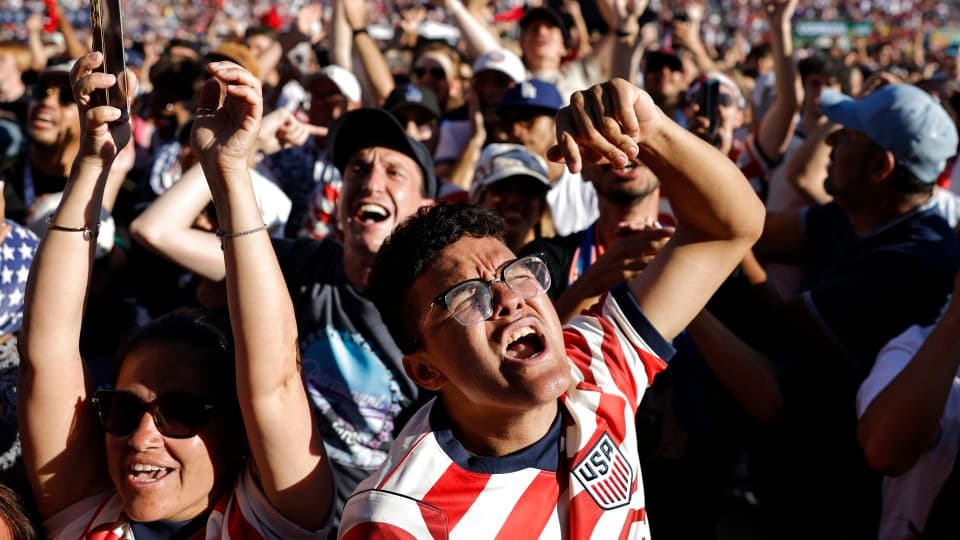
For a few weeks, Americans dared to imagine their team as serious contenders after two inspiring wins early on. It was a rare break from the usual political chaos radiating out of Washington, D.C., reminding millions that beneath all the noise, this country still had something special.
Politics Cast Shadows but Never Took Center Stage
Politics did not vanish entirely. The Iranian team faced last-minute changes to their training plans and travel restrictions that limited preparation time. President Donald Trump’s involvement in the Folarin Balogun situation briefly stirred doubts about the tournament’s integrity. Visa issues affected some officials and teams, reflecting broader political tensions.
Still, these moments never overtook the tournament’s spirit. Even when headlines veered toward controversy, the soccer itself reclaimed attention quickly. One memorable turnaround came just after the Balogun episode when Lionel Messi’s Argentina fought back from a late deficit to defeat Egypt 3-2 in a thrilling match that reminded everyone why the sport matters most.
A Lasting Impression Beyond the Pitch
Numbers will be crunched for years—did host cities benefit financially, was it worth the cost, and so on. Yet one impact is clear: the world saw another side of America. Visitors repeatedly commented on the warmth and friendliness of everyday Americans, contrasting sharply with the image painted by news cycles.
This nation remains imperfect, with plenty of challenges ahead. But for those 39 days, people from around the globe came together, filling stadiums and sharing moments that transcended politics. Whether celebrating Congo’s historic advancement or marveling at Cape Verde’s near-upsets, the tournament created memories and friendships that linger.
For a brief spell, joy was uncomplicated and infectious.
We danced with Congolese fans, lost ourselves in incredible matches, and exchanged stories with strangers who soon felt like friends. The World Cup ended, but maybe it shifted something—the way the world views America, and how Americans see themselves.