World Cup Chaos: Political and Bureaucratic Turmoil
World Cups have always arrived with baggage. Political rows, human-rights debates, boycotts threatened and then abandoned. But the storm around this edition feels different. It feels disorganised. Chaotic. Messy in a way that cuts right through the heart of the tournament.
At the centre of it all sits a string of off-field flashpoints that refuse to go away.
Somali referee Omar Artan has been denied entry to the United States and removed from the officiating team. It is the kind of late, bureaucratic tangle that sends a chill through organisers and infuriates those inside the game. A World Cup is supposed to project control and certainty. This one is instead fielding questions about who is even allowed to take part.
The noise has been relentless. Ticket prices have climbed into territory that has alarmed supporters’ groups and seasoned observers alike, with fears that “real fans” are being squeezed out of the biggest stage of all. Iraq striker Aymen Hussein was reportedly held by customs for seven hours this week, another jarring detail in a build-up already littered with them.
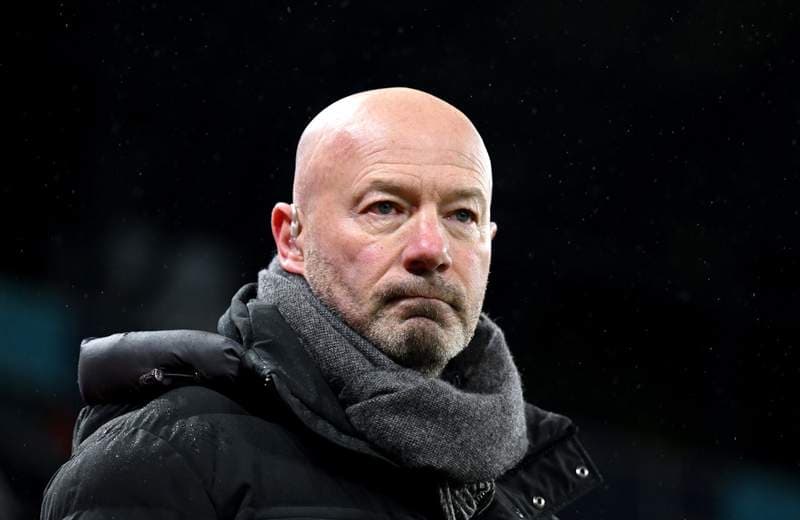
Alan Shearer has watched it all and doesn’t like what he sees.
Speaking on The Rest Is Football, the former England captain did not bother to soften his verdict. He called the current state of affairs “an awful look” and “a terrible look”, and admitted he cannot remember a World Cup weighed down by so many problems before a ball has even been kicked.
“We always have discussions before World Cups,” Shearer said, “but I think there’s certainly been more ahead of this World Cup than I can remember. Whether it’s the situation with the referee, whether it’s the ticket prices and pricing real fans out of going to the biggest tournament in the world, I just think it’s an awful look. And yeah, it’s not right, not at all.”
The refereeing row has particularly stung. Ian Wright has already suggested that US soccer fans must be embarrassed by the chaos around the tournament, pointing to the Artan case as a symbol of wider dysfunction. A World Cup hosted in the United States was meant to showcase slick organisation and fan-friendly spectacle. Instead, the headlines are about visas, customs holds and spiralling costs.
Gary Lineker has been another prominent voice raising the alarm. He has highlighted the political climate around the event and the financial barriers facing ordinary supporters, zeroing in on ticket prices that risk turning the “greatest show on earth” into a gated experience for the few rather than a festival for the many.
This is the tension gripping the build-up. On one side, the marketing gloss and grand promises. On the other, stories of fans priced out, officials turned away and players delayed at borders.
World Cups thrive on anticipation. They are meant to gather momentum, to build towards that first whistle with a sense of shared excitement. Instead, this one has stumbled towards kickoff under a cloud of controversy, every new detail feeding the sense that the tournament has lost control of its own narrative.
And so the mood among many supporters has shifted. Not to apathy, but to impatience. Enough of the politics, enough of the bureaucracy, enough of the noise. They just want the football.
The hope – for organisers, players and fans alike – is simple: that when the opening game finally begins, the tournament can shake off its troubled prelude, find its rhythm on the pitch and let the world decide whether the football can drown out everything that has come before.