World Cup VAR Decisions Explained: Iran's Disallowed Goal and Ngoy's Red Card
The Video Assistant Referee (VAR) continues to stir debate throughout the World Cup, where every decision is scrutinized across 104 matches. We analyze key moments from recent games, explaining how VAR protocols and the Laws of the Game influenced referees' calls.
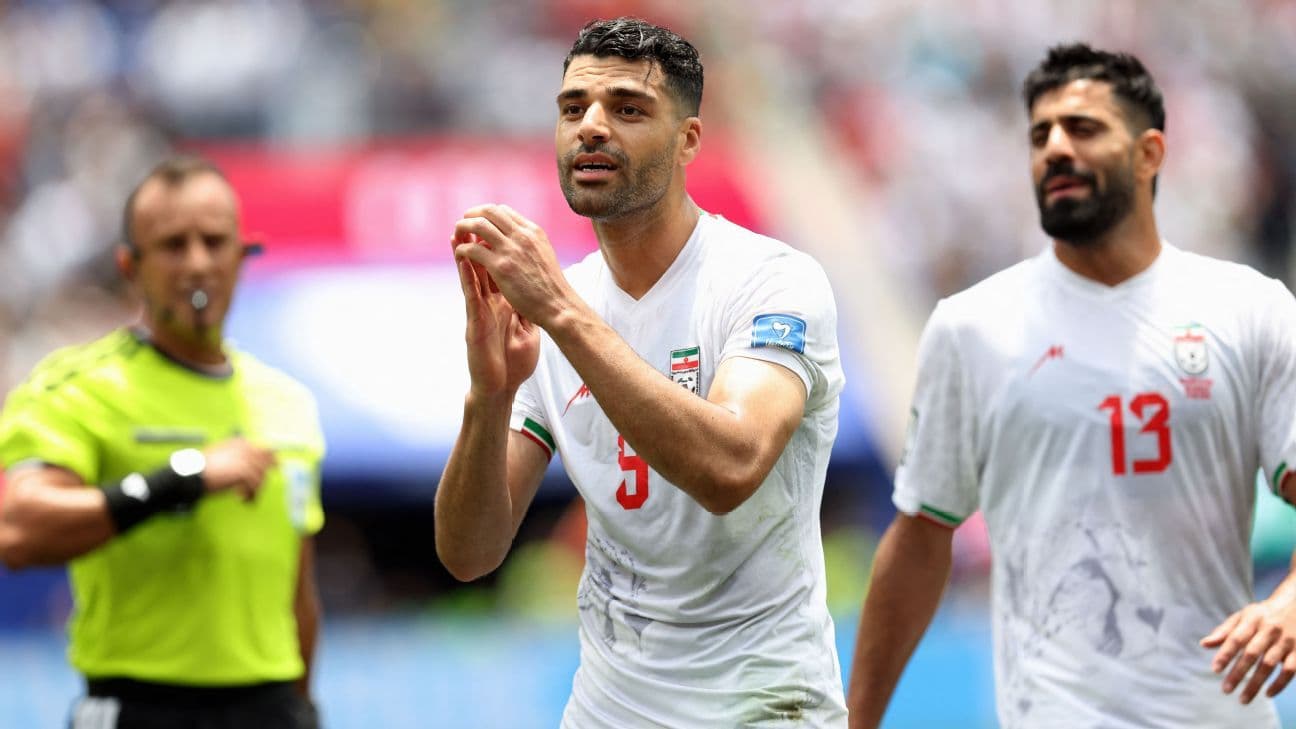
Iran vs. Belgium: Disallowed Goal and Red Card Incident
Referee: Darío HerreraVAR: Hernán Mastrángelo
At 25 minutes, Mehdi Taremi appeared to give Iran the lead with a goal following a cleverly executed free kick. Yet, after an extensive VAR review, the goal was ruled out for offside by a marginal call. The offside was determined by Taremi's backside being just beyond the line, despite his back facing the goal. The lengthy review drew criticism given the available technology but confirmed the correctness of disallowing the goal due to the complexity of player positions.
Later, at 66 minutes, Belgium's Nathan Ngoy received a red card for denying a clear goal-scoring opportunity. After miscontrolling a pass, he fouled Taremi who was in a promising attacking position. VAR quickly backed the referee’s decision as all conditions for a DOGSO red card were met, factoring in the attacker’s proximity to goal, lack of defenders, and goalkeeper’s position. This was a clear-cut decision despite some debate about the exact distance to goal.
Paraguay vs. Türkiye: New IFAB Rule Enforced
Referee: Ivan BartonVAR: Khamis Al Marri
In stoppage time of the first half, Paraguay’s Miguel Almiron was sent off for covering his mouth during a heated exchange, violating a new rule aimed at preventing concealed abusive language. This followed a similar incident earlier in UEFA competitions. The VAR intervention here was straightforward and underscored that players must not hide their mouths when confronting opponents.
United States vs. Australia: Corrected Offside Call
Referee: Felix ZwayerVAR: Bastian Dankert
At 43 minutes, Alex Freeman scored after a blocked shot landed near him. Though initially flagged offside, VAR showed Freeman was onside at the moment of the shot. The goal stood, dismissing Australia’s claims that teammate Folarin Balogun interfered with goalkeeper Patrick Beach. VAR clarified Balogun did not obstruct or impact the goalkeeper’s ability to play the ball, confirming the goal was valid.
Canada vs. Qatar: Penalty Decision Adjusted and Red Cards Issued
Referee: Cristian GarayVAR: Juan Lara
A penalty originally awarded to Canada was overturned after VAR revealed the foul occurred outside the box, changing the restart to a free kick and upgrading the foul from a yellow to a red card for Qatar's Homam El Amin under the double jeopardy law. Later, Qatar’s Assim Omer Madibo saw his yellow upgraded to red for a challenge that caused a broken leg to Canada’s Ismaël Koné. The upgrade sparked debate since the contact seemed innocuous initially, but slow-motion replays showed a secondary action responsible for the injury. The referee accepted VAR's advice without reviewing the monitor, allowed by protocol in specific cases.
England vs. Croatia: Penalty and Retake
Referee: Clement TurpinVAR: Jerome Brisard
Early in the match, a penalty was correctly awarded when Luka Modric fouled Noni Madueke. Harry Kane’s initial penalty was saved, but VAR ordered a retake due to encroachment by both the goalkeeper and defender Josko Gvardiol. The decisions were clear and followed the updated laws penalizing involvement only if players participate in the second phase of the penalty.
Argentina vs. Algeria: Messi's Tackle Scrutinized
Referee: Szymon MarciniakVAR: Tomasz Kwiatkowski
Lionel Messi made a studs-on-calf tackle on Algeria’s Aïssa Mandi but escaped a red card. The VAR found no clear error in the referee’s decision to issue no card. Many believe the challenge warranted a sending off because of its force and location, emphasizing that intent is irrelevant; contact defines the foul. Messi was fortunate given the timing and potential impact on the match and his tournament.
France vs. Senegal: Disputed Penalty Review
Referee: Alireza FaghaniVAR: Abdullah Atif Abdulrahman Alshehri
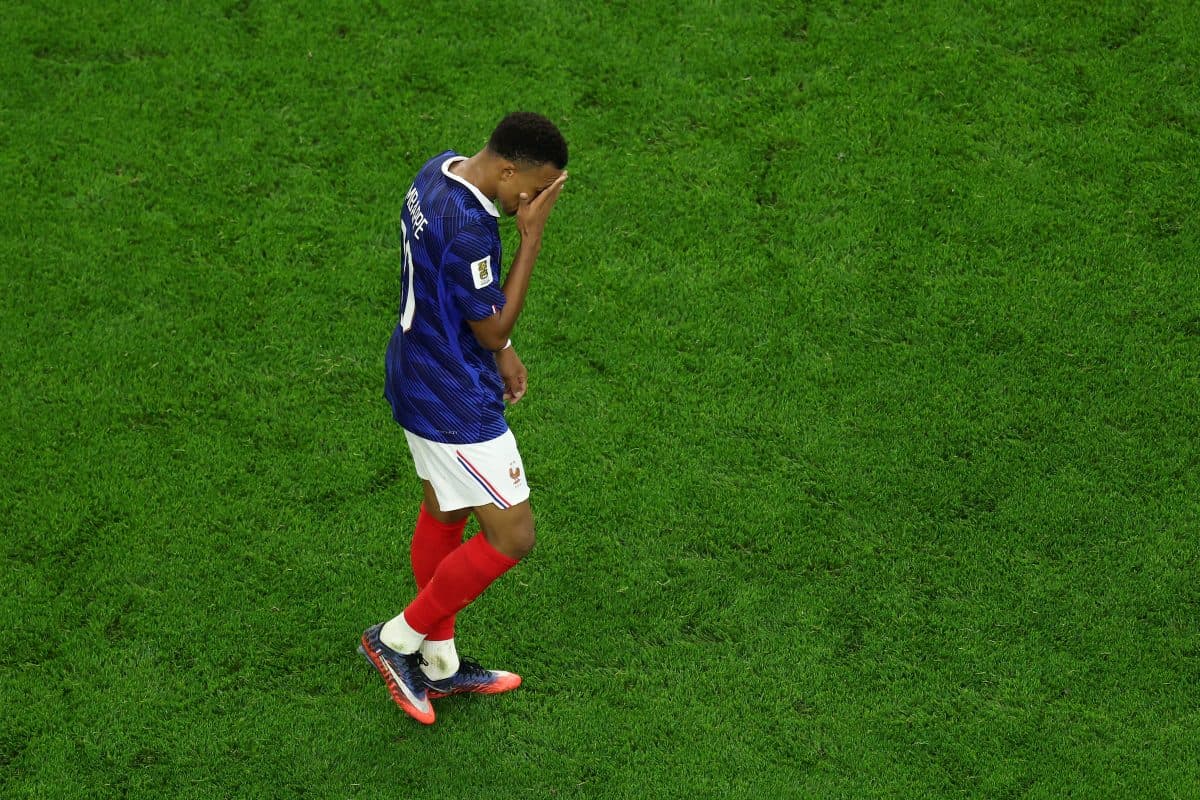
Kylian Mbappé’s run ended with a late challenge from Sadio Mané inside the penalty area. Despite VAR recommending an on-field review, the referee stuck to no penalty, claiming Mbappé initiated contact. This reasoning puzzled many as Mané’s lunge clipped Mbappé’s leg without touching the ball. The decision could affect the referee’s standing in the tournament.
Sweden vs. Tunisia: Technology Aids Fastest Substitute Goal
Referee: Yael Falcón PérezVAR: Juan Lara
Mattias Svanberg scored the fastest World Cup goal by a substitute at 12 seconds after coming on, though it was initially ruled offside. VAR reversed the call thanks to Adidas’ Connected Ball Tracking, revealing a subtle flick from Alexander Isak reset the play and put Svanberg onside. The technology provided clarity impossible to achieve with the naked eye.
Switzerland vs. Qatar: Semi-Automated Offside System Failure
Referee: Said MartínezVAR: Guillermo Pacheco
A technical glitch disrupted FIFA's semi-automated offside system during Switzerland’s penalty incident. VAR manually checked lines to confirm Remo Freuler was onside before being fouled. FIFA admitted the outage but insisted the VAR process remained unaffected. Fans remain skeptical, unsure what might have happened had the technology functioned properly.
United States vs. Paraguay: Yellow Card Mistaken Identity Corrected
Referee: Danny MakkelieVAR: Carlos Del Cerro Grande
A yellow card initially shown to US captain Tim Ream for a foul was rescinded after VAR identified the actual offender as Paraguay’s Miguel Almirón, who was penalized for simulation instead. This correction underlines the positive impact of new laws allowing VAR to rectify mistaken identity cards and discourages diving.
Mexico vs. South Africa: Multiple Red Cards and VAR Reviews
Referee: Wilton Pereira SampaioVAR: Nicolás Gallo Barragán
South Africa faced three red cards in one match, beginning with Sphephelo Sithole sent off for denying a clear goal-scoring chance. Later, Themba Zwane received a red for striking an opponent, a decision some viewed as harsh since it lacked clear violent conduct. Finally, Mexico's César Montes was shown red for DOGSO after clipping a South African attacker near the box. The red card was surprising given the attacker’s probable intention to cross rather than shoot, but VAR upheld the decision amid subjective interpretations.