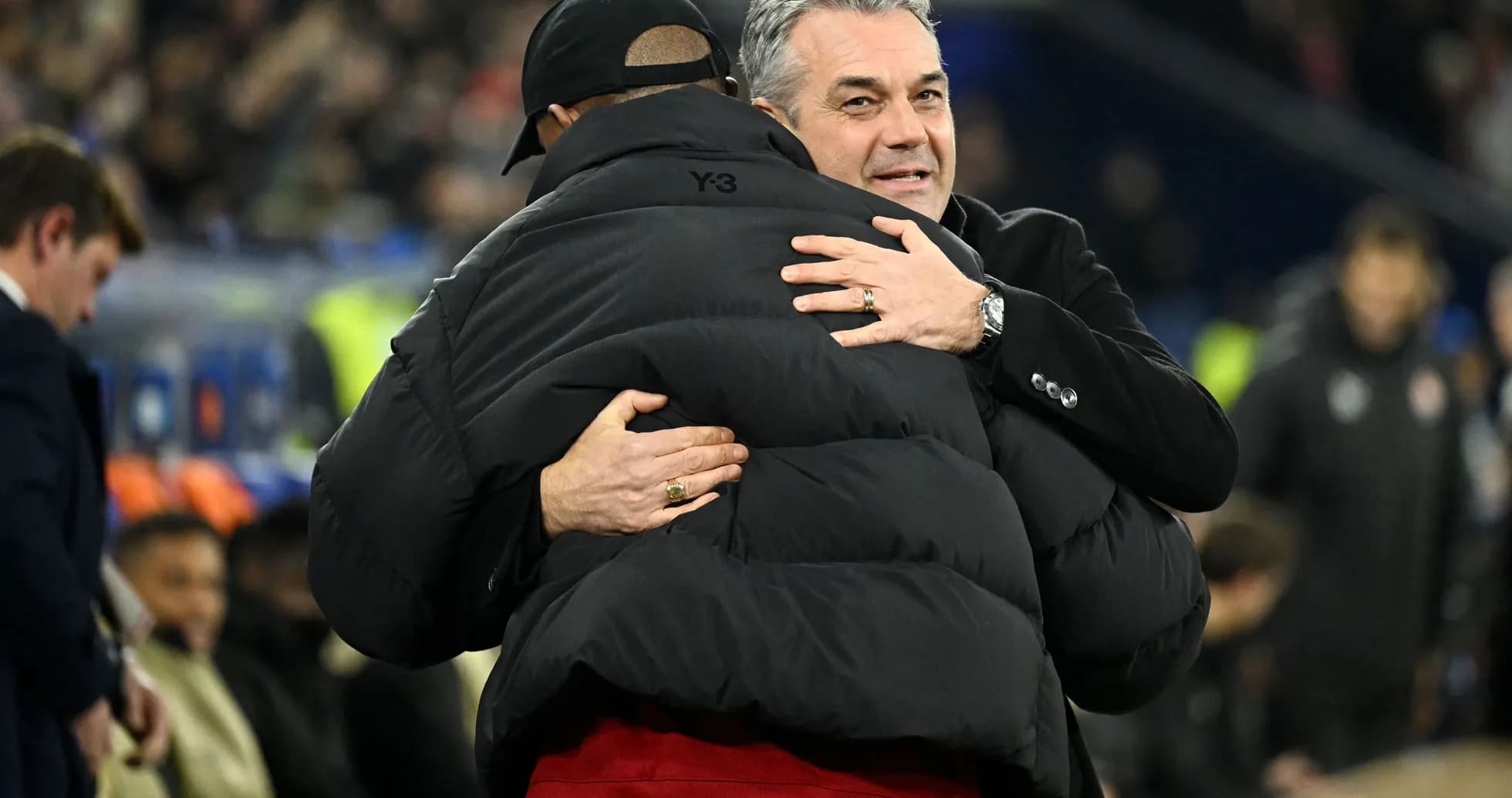
Al-Ahly's Strategic Coaching Decision: Bosic Takes the Helm
Al-Ahly did not have the luxury of time. The moment Matthias Jaissle walked away, the clock started screaming. A new season loomed, fixtures were set, and the identity of the next coach could no longer be a long-term puzzle. It had to be solved in days, not months.
The club dreamed of a big European name. That was always the ideal. But the reality of the market hit hard. Most of the elite coaches were locked into contracts, deep into projects they had built from pre-season. Those who were free were in no rush to jump into a job with competitive games just around the corner.
Then came the demands. The heavyweights wanted control: authority over transfers, the power to hand-pick their own technical staff, influence over every detail of the preparation programme. Al-Ahly, moving under the pressure of the calendar, simply could not hand over that level of control at this stage. Not now. Not with the season on the doorstep.
That is where Bosic entered the frame.
He was not just available. He was ready. Ready to walk into the job immediately, ready to work within the existing structure, ready to coach a squad that had already been built to win. For Al-Ahly, that mattered as much as any glittering CV.
There was another, bigger reason behind the decision. Bosic’s footballing philosophy fits the club like a tailored suit.
The Dutchman believes in front-foot football. He wants his side to attack, to press high, to dominate the ball and spring into rapid transitions the moment possession is won. He values tactical flexibility, but always with an aggressive, proactive core. Those ideas are not new to Al-Ahly’s dressing room. They are the same principles that defined the team under Jaissle and powered their success at home and across the continent.
So the board made a deliberate call: continuity over revolution.
They do not want a coach who tears everything up and starts again. They want someone who sharpens what already works. The plan is for Bosic and his staff to refine, not rebuild; to develop the existing framework rather than impose a completely new one. In theory, that gives Al-Ahly something priceless at the start of a season — technical stability.
Bosic arrives with a strong record from his previous posts, but none of that will shield him now. His past is a footnote. His future will be written in the results he delivers with “the classy one” in the coming months.
And the brief could not be clearer.
He takes over a squad constructed to win now, not later. A dressing room full of stars, a fan base that measures success only in trophies, and a club culture where second place feels like failure. The expectations are not high — they are sky-high, from his first day on the training pitch.
That is the real edge of this appointment. On paper, the fit looks logical. On the grass, nothing is guaranteed.
Names do not win titles. Systems do not lift cups on their own. No coach, however experienced, walks in with a magic wand. Bosic will need time to embed his ideas, support from the hierarchy when results wobble, and the kind of calm around the club that allows a manager to imprint his character on a team built to dominate.
Only then will the true nature of this decision emerge. Was Bosic a smart, calculated appointment aligned with Al-Ahly’s identity — or a high-risk bet taken under the unforgiving pressure of the calendar? The answer will not come in the press room or on the training ground. It will come under the floodlights, when the season starts and there is nowhere left to hide.