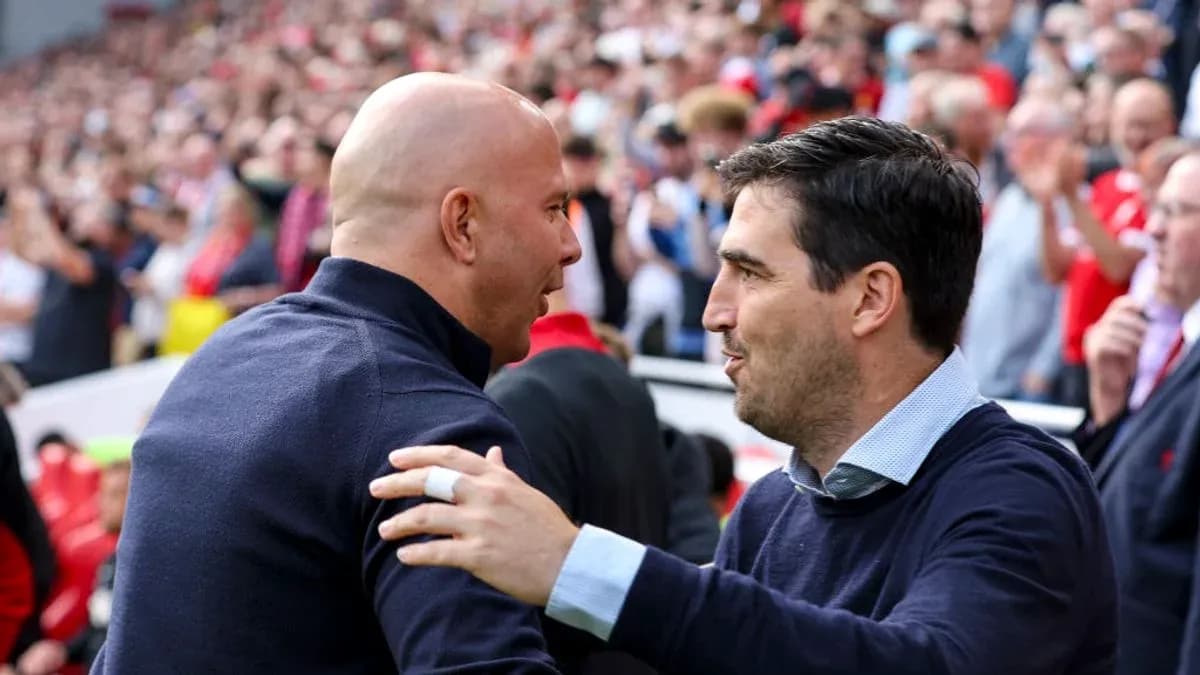
Andoni Iraola's Challenge at Liverpool: Blending Tactical Identities
Andoni Iraola has never been afraid of a hard reset. At Bournemouth, it took him 10 Premier League games to taste victory. At Liverpool, he might need just as long to bend a squad shaped by two very different managers into something that looks like his own.
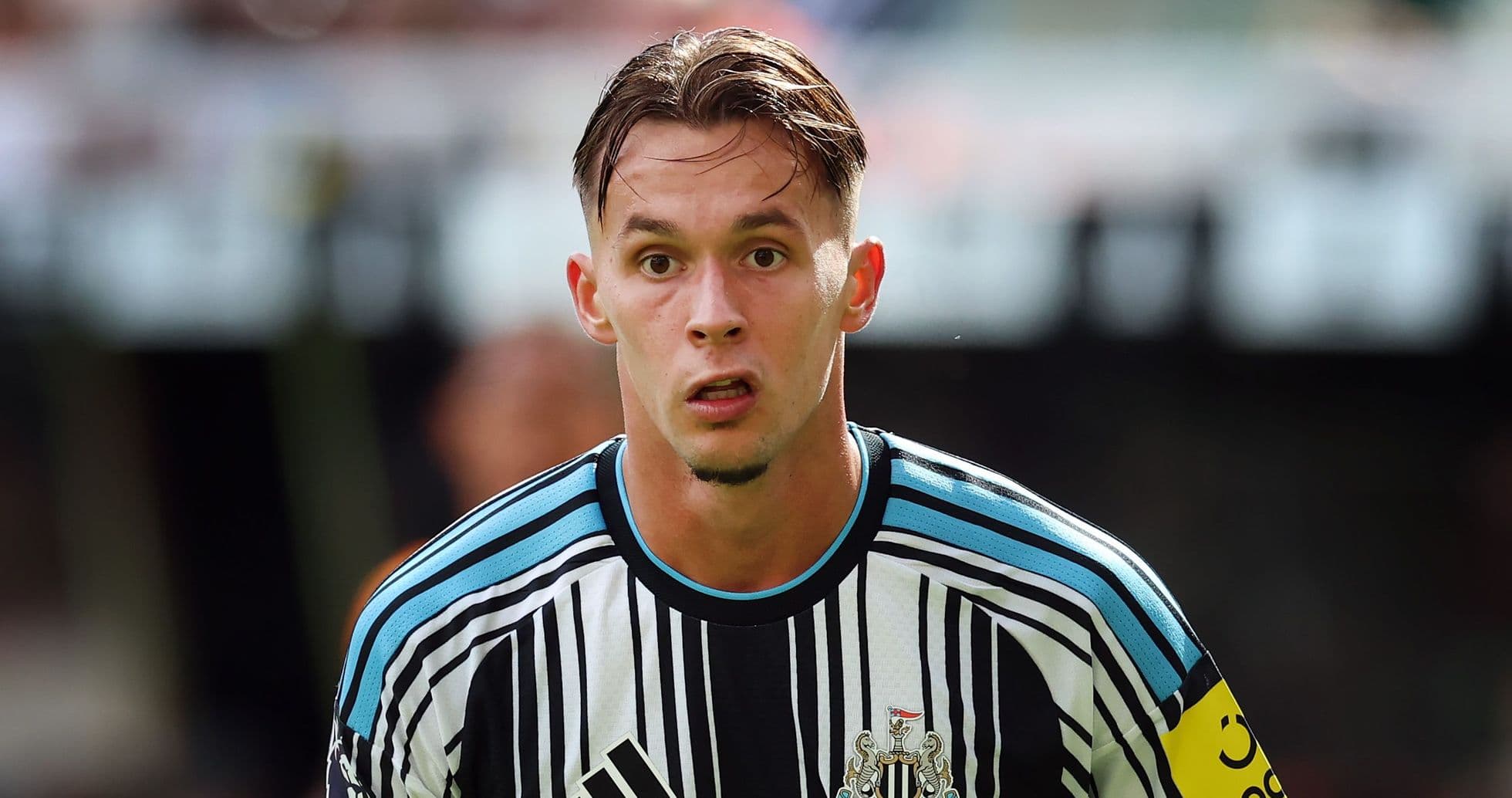
The first competitive glimpse was a 2-2 draw with Newcastle on opening day. The scoreline flattered Liverpool. They were outworked, repeatedly pulled apart, and looked nothing like a side clear on what it wants to be.
Caught Between Klopp and Slot
The tension was laid bare in an interview with Steven Gerrard for TNT Sports. When Gerrard asked Iraola the obvious question — Klopp or Slot, who are you closer to? — the answer came quickly.
“Probably closer to Jurgen, probably, I would say. But I loved a lot of the things that the team had with Arne also," Iraola replied.
That line sums up Liverpool’s current problem. Two strong tactical identities, layered one after the other, and now a third coach trying to splice them together.
Under Arne Slot, Liverpool leaned into a possession-heavy, territorial game. Long spells on the ball, patient probing, bodies stationed high in the attacking third. Under Jurgen Klopp, the club’s modern identity was forged in transition: quick, vertical, ferocious. Iraola openly aligns with the latter.
“There has to be a balance,” he said, reflecting on the Newcastle draw. “Things are going to evolve differently because the first game we had 60, 61 percent of possession straight away.
“Naturally, because the natural tendency of the players is towards that side, and I need to adapt also towards that side. ... But we also need to keep being vertical, keep attacking, keep taking sometimes some risks.”
That “natural tendency” remark should set off alarms. It hints at a squad still wired for Slot’s slower, more methodical approach, even as the new manager demands speed and aggression.
Possession Without Protection
You could see the conflict all over the pitch. Dominik Szoboszlai, Ryan Gravenberch, Jeremie Frimpong, Milos Kerkez — all comfortable drifting high, camping near the final third while Liverpool had the ball. Under Slot, that was the plan: overload the attacking zones, squeeze the opponent, and patiently chip away at deep blocks.
Under Iraola, it becomes a structural gamble.
Too many red shirts ahead of the ball means acres of space behind them. That space is now being handed to opponents and left for a 35-year-old Virgil van Dijk and a raw Jeremy Jacquet to defend in full stride. Newcastle didn’t need a second invitation. Both goals Liverpool conceded stemmed from exactly that problem: a stretched team, exposed in transition, with the back line asked to solve chaos on its own.
The numbers against Newcastle told one story — over 60 percent possession — but the feel of the game told another. Liverpool were not controlling the contest. They were holding the ball without truly dictating where and how the game was played.
For a coach who wants intensity, directness, and risk-taking, this halfway house is the worst of both worlds.
Energy Short, Demands High
This isn’t the first time Iraola has sounded the alarm. During Liverpool’s preseason tour in the United States, he spoke pointedly about a lack of “energy,” a comment that landed like a subtle swipe at the Slot era.
After a preseason match against Leeds in early August, he didn’t sugarcoat the fitness issue.
"I think we played really good [in the] first half, especially the first 30 minutes, but right now probably we don't have much more in terms of the level required to play like this," he said. "Then they were much better in the second half.
"The problem is right now probably they don't have the energy for 90 minutes and they start to get tired. It will take time with them, we need more training with them."
That’s the crux of it. Iraola wants a high-speed, high-risk Liverpool. The squad, conditioned for a more patient possession game, doesn’t yet have the legs — or the habits — to sustain it.
Two Problems, One Timeline
Strip it back and Iraola faces two major Slot-era carryovers.
First, the instinct to dominate the ball and set up camp in the opposition half. Second, the physical profile and conditioning of a group that can’t yet run at the intensity he demands for 90 minutes.
Neither issue is fatal. Both take time.
The Newcastle draw showed flashes of what Liverpool could become under Iraola, but also laid bare how far they still have to travel. The manager has been honest about the gap. The players’ “natural tendency” is pulling one way. His football is pulling another.
Something has to give.
The only real question now is how long Liverpool will tolerate the turbulence before Iraola’s ideas finally take hold — and whether, by then, the season will still be within their grasp.