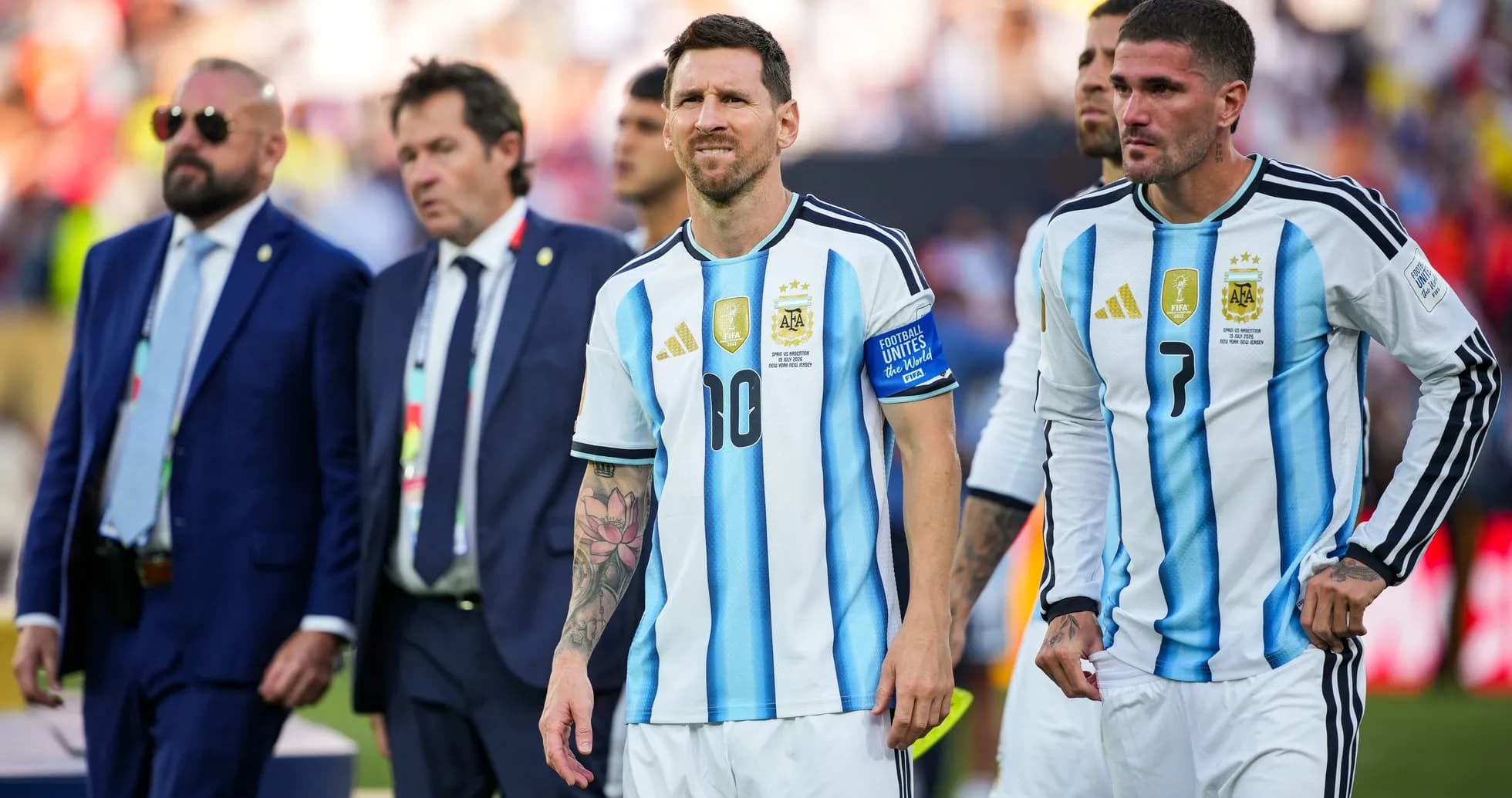
Argentina's Runners-Up Holiday: A Nation Divided on Honoring Messi
Argentina lost the final. The government declared a holiday anyway.
In a move that stunned even a football‑obsessed country, President Javier Milei announced that the national team would be allowed to choose a day for a nationwide holiday to commemorate their World Cup campaign – despite a 1-0 extra‑time defeat to Spain in New York and a performance that did not produce a single shot on target.
The gesture, framed as a tribute to effort rather than outcome, has lit a fuse under public opinion.
A silver medal, a golden gesture?
Argentina fell short of defending their world title, undone by a Ferran Torres strike in extra time. No late twist, no miracle comeback, no Messi moment to rescue them this time. Just the quiet, cold reality of second place.
Yet within hours, Milei took to X to throw open the doors to a celebration.
“Given the concern about the celebrations for the achievement reached by the Argentine National Team,” he wrote, “I inform the population that, depending on what the Players and the Technical Staff decide regarding the day to celebrate, it will be declared a national holiday.”
The message was clear: the players and staff would decide if and when the country stops to honour them.
It was anything but universally welcomed.
Confusion, backlash and a missing president
The announcement triggered immediate confusion. Some Argentines initially thought it was a mistake, a technical glitch, a misworded post. Others bristled at the idea of treating a runners‑up finish like a title win.
In a country where football success is woven into national identity, many supporters argued that a parade for second place crossed a line. To them, the Albiceleste either come home as champions or they come home to work quietly, regrouping for the next challenge.
There was another twist. The president himself had not even been in the stadium for the final, choosing to skip the showpiece because of his superstitions. While the team battled in New York, the head of state watched from afar, then moved to elevate their campaign with the highest symbolic honour he could offer: a holiday.
That contrast did not go unnoticed.
Milei stands by Messi and the old guard
Under fire, Milei doubled down with a second post, this time directly defending Lionel Messi and his team‑mates.
“Thank you so much, players. [We fought] until the end with our boots on. Argentina always at the top,” he wrote, framing the campaign as a display of resilience and pride rather than failure.
For many, that sentiment resonated. This was, after all, a group that carried the pressure of world champions, dragged the country to another final and fell only in extra time. They did not collapse. They just ran out of answers.
Yet the numbers from the final tell their own story: no shots on target, little incision, an attack that never truly threatened Spain. A toothless performance on the biggest stage is a hard sell as a cause for national celebration.
End of an era, start of a rebuild
Behind the noise over holidays and parades lies a more pressing reality for Argentine football: this team is about to change.
The coaching staff now face the task they have long postponed – phasing out a veteran core that has defined an era and making room for the next generation. The emotional centre of that shift is Messi.
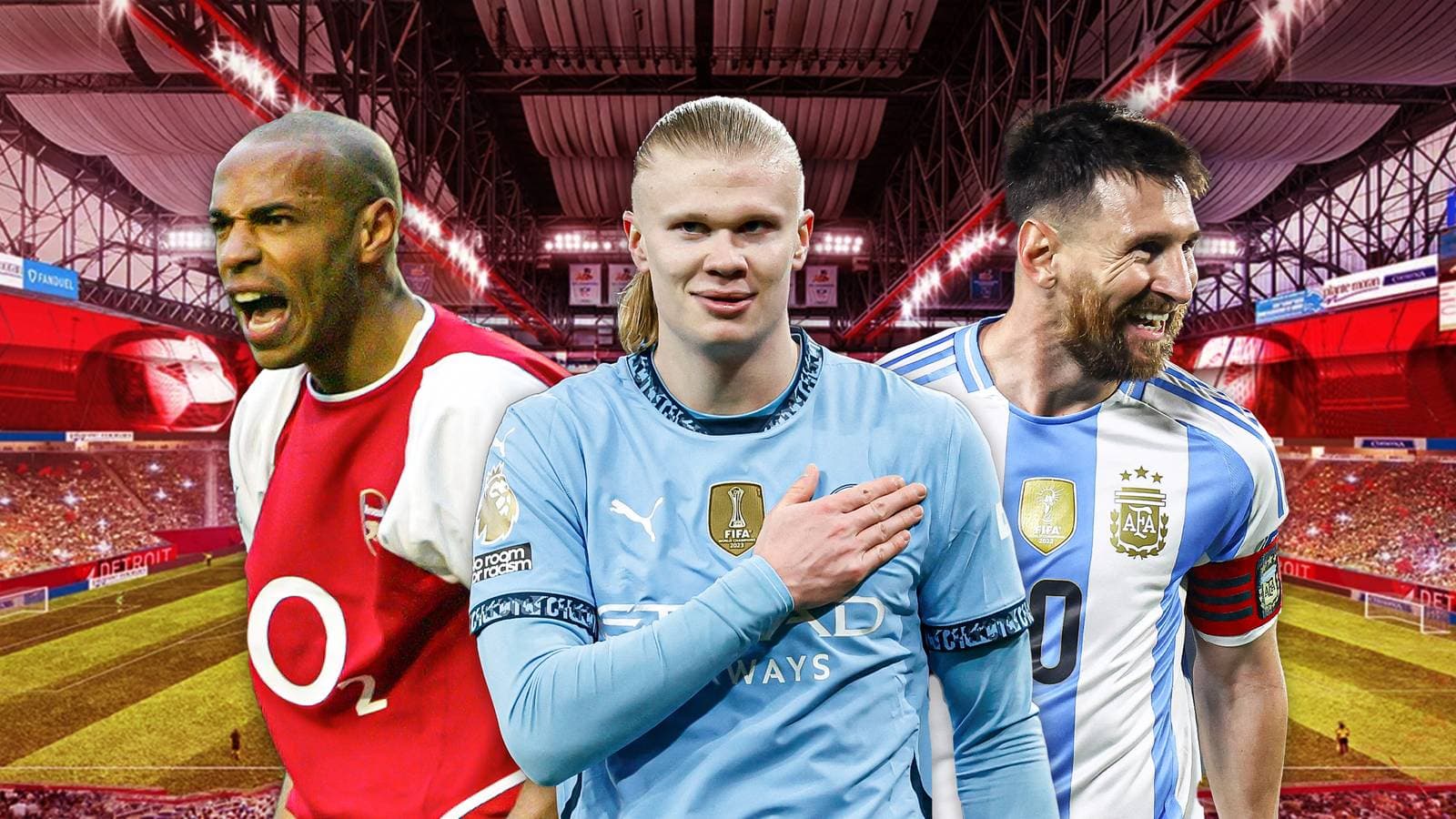
It is widely expected that the Inter Miami star has played his sixth and final World Cup. At 39, with every tournament framed as a possible last dance, the sense of an ending hangs over this campaign, even though he has not formally announced his retirement from the national team.
If this was his final World Cup, it did not end in the fairy‑tale glow of 2022. It ended in silver, in frustration, in a performance that fell short of his own impossible standards. Yet it also ended with a president publicly thanking him and his team, and offering a holiday in their name.
Whether the players actually choose to take that offer is another question. Many fans believe they would rather slip back to their clubs, heal, and move on than ride through Buenos Aires on an open‑top bus for finishing second.
So Argentina waits: for a decision on the holiday, for clarity on Messi’s future, and for the first signs of what this team will look like without its ageing heroes. The trophy stayed in someone else’s hands – but the next chapter, and who writes it, is now the real contest.